Low ceilings can make a home feel cramped if not handled thoughtfully. With the right design strategies, you can transform your space into a bright, airy, and inviting environment. This guide covers every aspect of a low ceiling home, from living rooms to bedrooms, kitchens, and even décor choices.
1. Use Light Colors on Walls and Ceilings
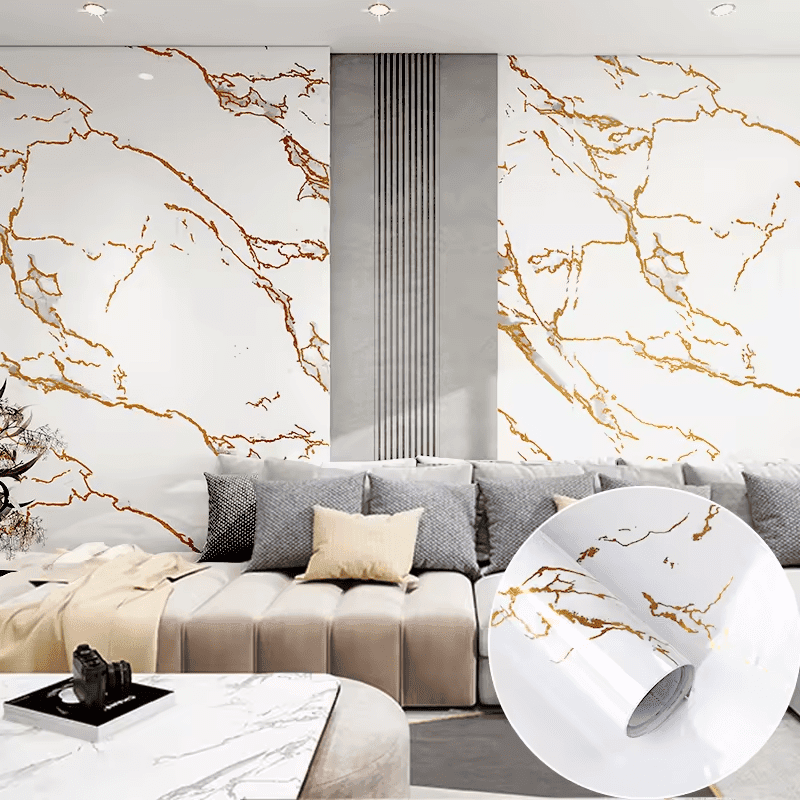
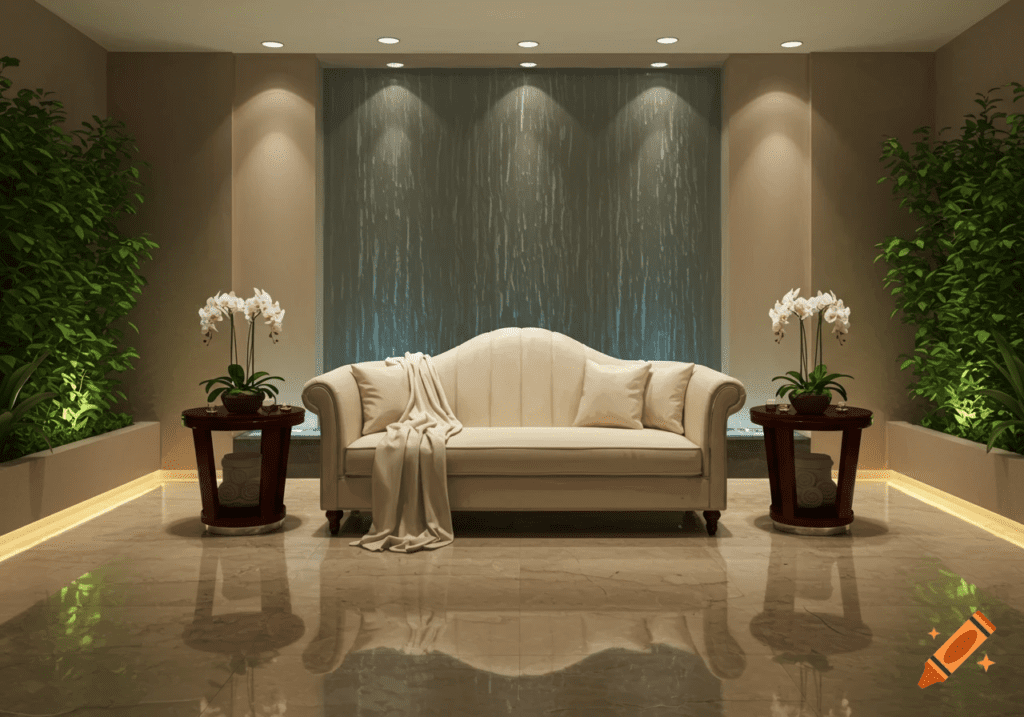
Light colors visually raise the ceiling and make rooms feel open. Whites, soft greys, and pastel shades work best. Choose the right finish for vertical walls with accent wall design ideas that complement low ceilings.
Tips:
- Paint both walls and ceilings in the same light color for seamless flow.
- Use subtle color contrasts with trims or moldings to add depth.
- Avoid dark colors on the ceiling as they make it feel lower.
2. Install Vertical Patterns
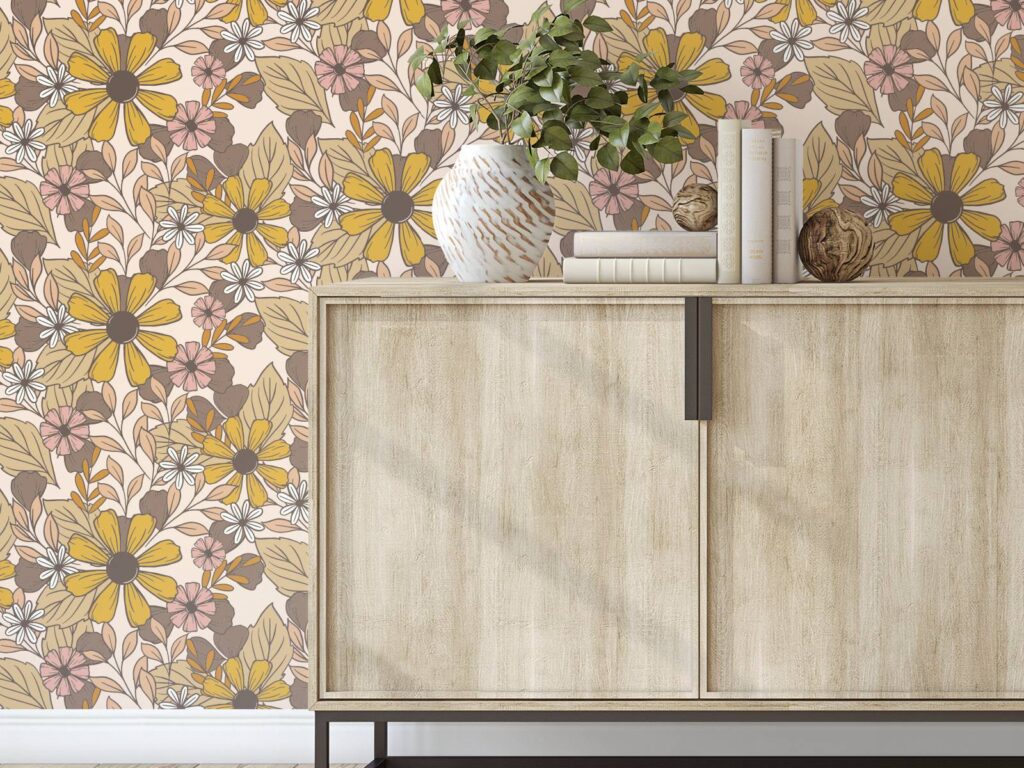
Vertical stripes or paneling create the illusion of height. Soft tones and accents like pink and green décor ideas can make low ceiling rooms feel airy
Ideas:
- Vertical wallpaper in bedrooms or hallways.
- Tall shelving units or floor-to-ceiling curtains.
- Narrow vertical wall panels for subtle effect.
3. Maximize Natural Light
Bright spaces feel larger. Large windows, glass doors, and mirrors reflect light and reduce the sense of confinement.
Tips:
- Keep window treatments minimal or sheer.
- Use mirrors strategically to bounce light.
- Place reflective décor or furniture near windows.
4. Opt for Low-Profile Furniture
Furniture that sits lower to the ground keeps the visual lines open, preventing ceilings from feeling oppressive.
Suggestions:
- Low sofas and beds.
- Floating shelves instead of tall bookcases.
- Minimalist tables and chairs.
5. Use Vertical Storage Smartly
While furniture should stay low, storage can be vertical to save floor space.
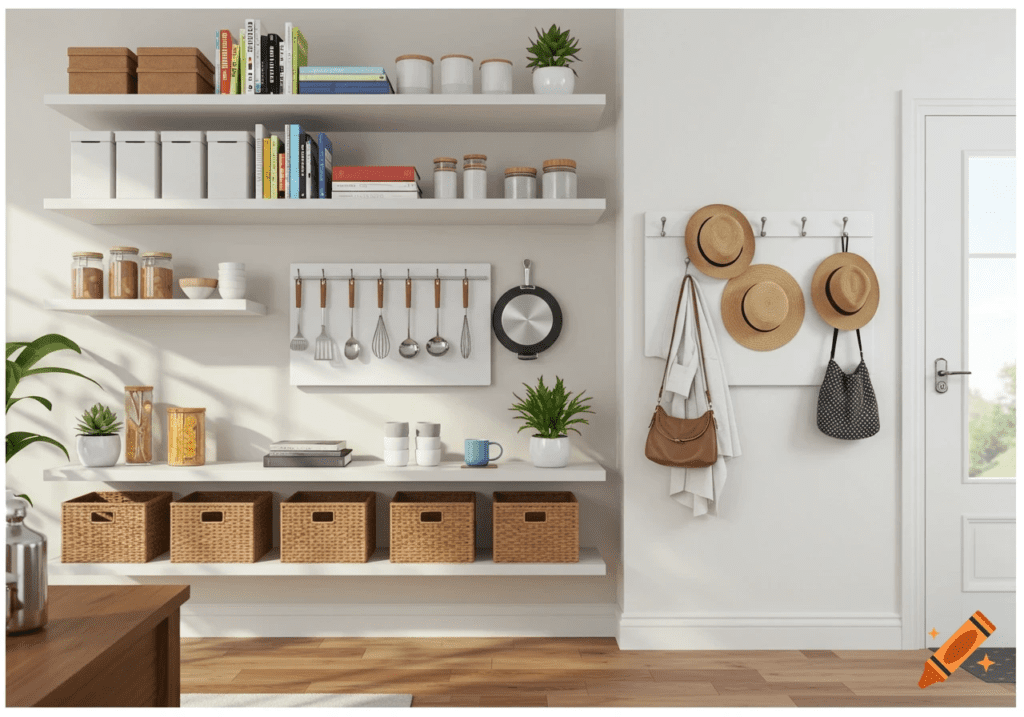
- Built-in shelves that reach the ceiling draw the eye upward.
- Wall-mounted cabinets in kitchens or bathrooms.
- Tall wardrobes with sliding doors.
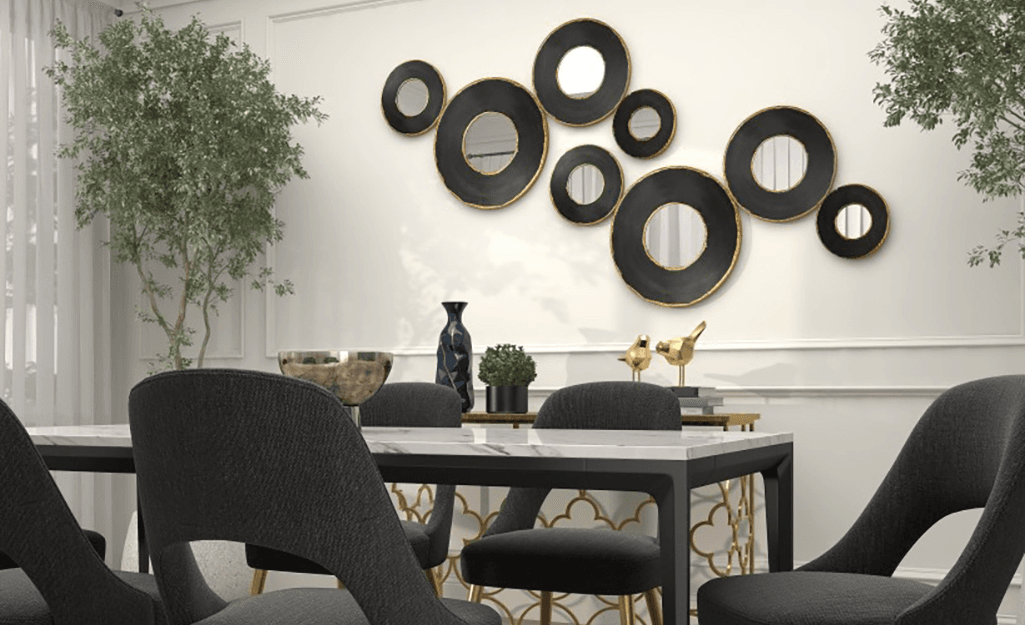
6. Incorporate Mirrors for Depth
Mirrors reflect light and visually expand space, making ceilings appear higher.
Tips:
- Place mirrors opposite windows for maximum effect.
- Use floor-to-ceiling mirrors in bedrooms or living rooms.
- Framed mirrors can also act as décor.
7. Choose Multi-Functional Furniture
Every inch counts in a low-ceiling home. Use furniture that serves multiple purposes.
Examples:
- Storage ottomans or coffee tables.
- Sofa beds or Murphy beds.
- Nesting tables and foldable desks.
8. Lighting That Draws the Eye Upward
Lighting can create the illusion of height. Avoid heavy, hanging fixtures that lower the ceiling visually.
Tips:
- Use recessed lights or flush-mount ceiling lights.
- Wall sconces and uplights direct attention upward.
- Avoid chandeliers in rooms with ceilings under 8 feet.
9. Keep Furniture and Décor Minimal
Clutter makes low ceilings feel cramped.
Tips:
- Stick to a few statement pieces.
- Use clear acrylic or glass furniture to create a sense of space.
- Opt for built-in furniture wherever possible.
10. Use Curtains That Hang High
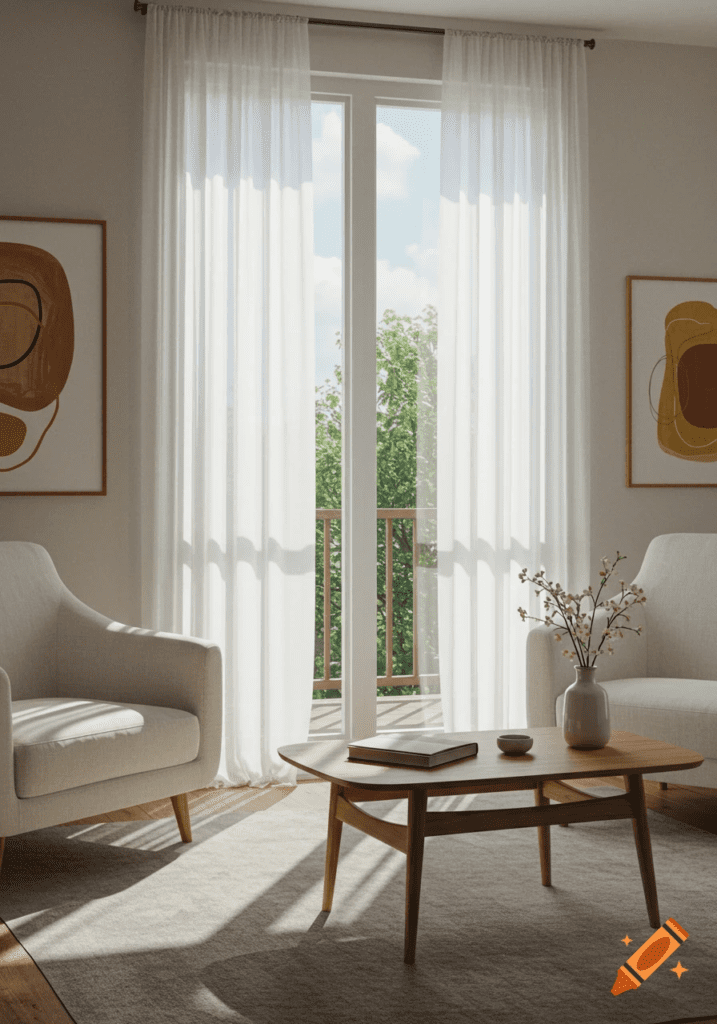
Hanging curtains just below the ceiling instead of above the window frames elongates the room.
Tips:
- Floor-to-ceiling curtains create vertical emphasis.
- Use light, airy fabrics like linen or cotton.
- Keep curtain rods close to the ceiling line.
11. Light Flooring and Continuity
Using light-colored flooring throughout rooms prevents visual breaks, making spaces feel taller and larger.
Tips:
- Avoid high-contrast rugs in small rooms.
- Use long planks instead of small tiles to elongate the floor visually.
- Maintain consistency between rooms for continuity.
12. Minimalist Ceiling Designs
Avoid bulky ceiling moldings or panels that lower the visual height.
Ideas:
- Smooth, painted ceilings with subtle textures.
- Simple recessed lighting.
- Coffered or tray ceilings only if they are shallow and subtle.
13. Vertical Décor Elements
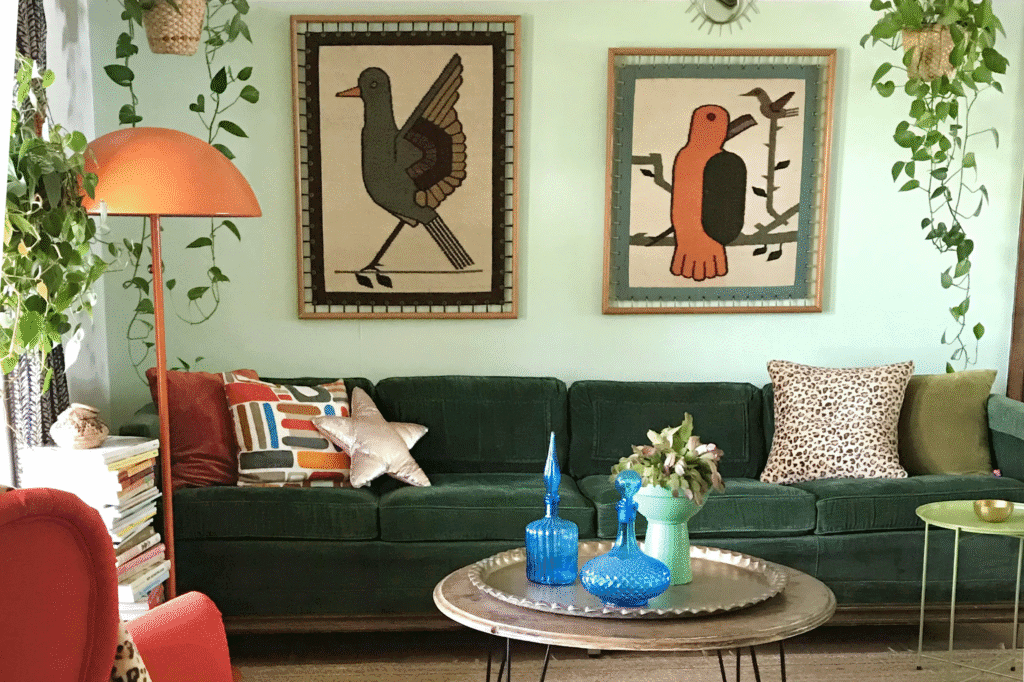
Wall art, tall plants, and floor lamps emphasize vertical space. Vertical décor like tall plants or window box flower ideas can make low ceiling rooms feel more vibrant.”
Tips:
- Use slim, tall plants like fiddle leaf figs or snake plants.
- Hang paintings or photos in vertical sequences.
- Avoid wide horizontal elements near the ceiling.
14. Smart Kitchen Layout for Low Ceilings
Low ceilings in kitchens can feel claustrophobic if cabinets are tall and bulky.
Tips:
- Opt for wall-mounted cabinets with open shelving above.
- Use light-colored cabinetry.
- Incorporate under-cabinet lighting to brighten the workspace.
15. Bedroom Tips for Low Ceilings
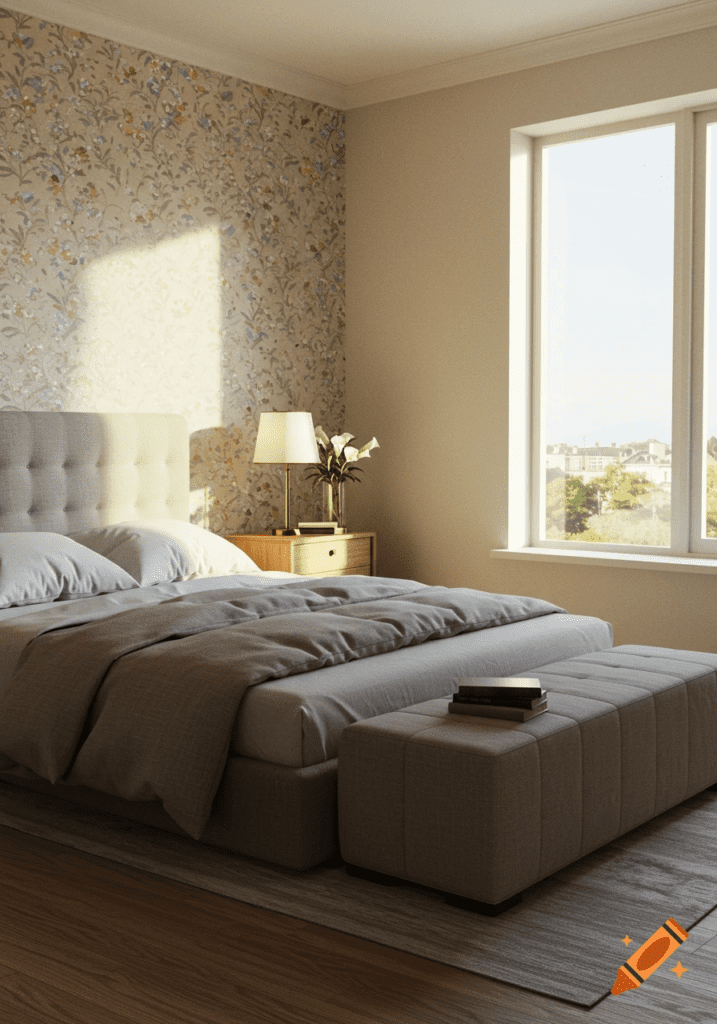
Low ceilings in bedrooms can feel cozy if designed thoughtfully.
Tips:
- Use low-profile beds.
- Keep bedside tables minimal.
- Hang pendant lights or sconces on the walls instead of ceiling fixtures.
16. Bathroom Design Tricks
Bathrooms often have low ceilings in older homes.
Tips:
- Use large mirrors to create depth.
- Keep cabinets shallow and streamlined.
- Consider vertical tiles or paneling for height illusion.
17. Hallway and Corridor Ideas
Narrow hallways feel more spacious with vertical emphasis.
Tips:
- Hang vertical wall art or mirrors.
- Keep lighting flush or recessed.
- Light flooring and wall colors enhance openness.
18. Entryway Design for Low Ceilings
The entrance sets the tone for your home.
Tips:
- Use wall-mounted storage instead of floor cabinets.
- Keep flooring light and continuous from the exterior.
- Add a mirror opposite the door for a spacious feel.
19. Living Room Solutions
Open layouts make low-ceiling living rooms feel larger.
Tips:
- Choose low furniture.
- Use wall-mounted entertainment units instead of bulky cabinets.
- Add vertical artwork or tall plants for height illusion.
20. Outdoor Rooms and Patio Integration
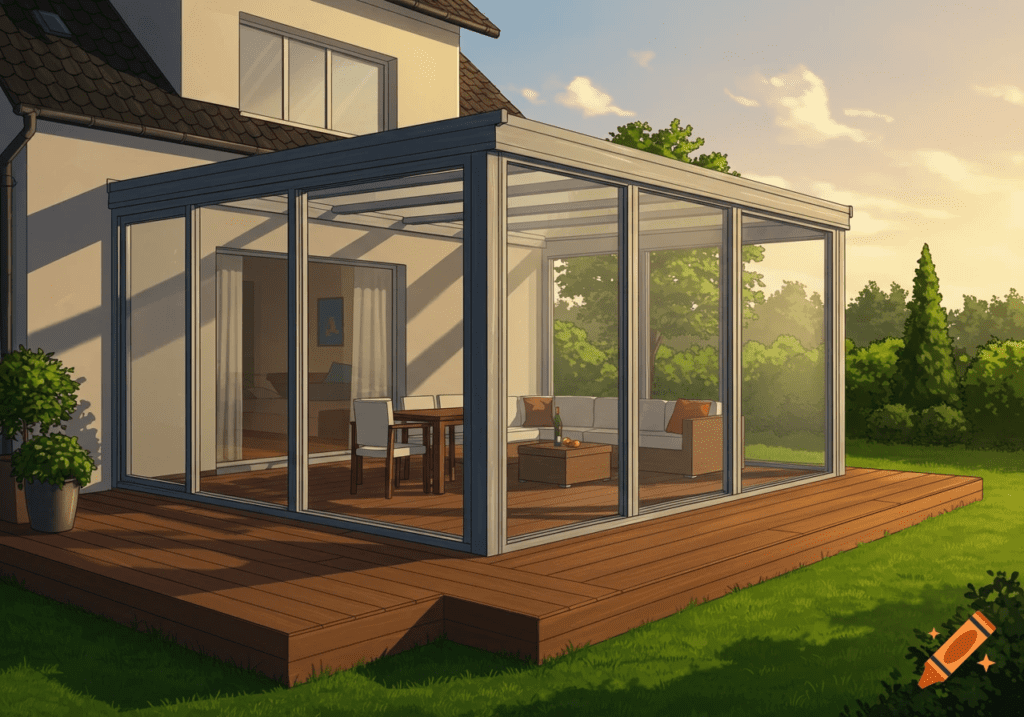
Blurring the line between indoor and outdoor areas can reduce the feeling of a low ceiling indoors. Blurring indoor and outdoor spaces with front yard flower ideas enhances the openness of low ceiling rooms.
Tips:
- Use large glass doors or sliding panels.
- Extend flooring from inside to outside for continuity.
- Keep ceiling-mounted fixtures minimal outdoors as well.
21. Dining Room Tips for Low Ceilings
Low ceilings in dining areas can feel cramped if furniture or lighting is too bulky.
Tips:
- Choose a low-profile dining table.
- Use pendant lighting that hangs close to the table, not the ceiling.
- Keep chairs slim and lightweight.
- Use vertical wall décor to draw the eye upward.
22. Office and Workspaces
Home offices with low ceilings benefit from smart layouts and vertical organization.
Tips:
- Use floating desks or wall-mounted shelving.
- Keep furniture low and compact.
- Add task lighting to reduce shadows that make the room feel smaller.
23. Entry Lighting Tricks
Proper lighting makes any room with low ceilings feel open and inviting.
Ideas:
- Use flush-mount ceiling lights or recessed fixtures.
- Install wall sconces to draw the eye upward.
- Consider uplighting for subtle vertical emphasis.
24. Accent Walls
Vertical accent walls create height illusion.
Tips:
- Use vertical stripes or patterns.
- Choose lighter shades to prevent heaviness.
- Avoid horizontal stripes that shorten the room visually.
25. Flooring for Low Ceiling Homes
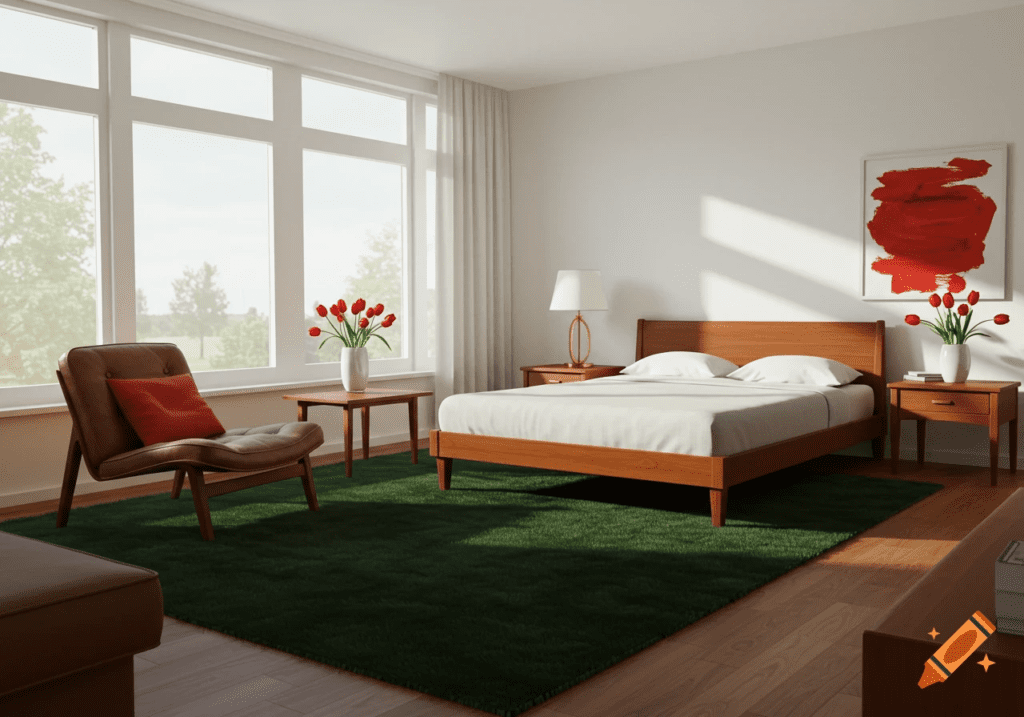
Flooring affects perception of space.
Tips:
- Use long planks instead of small tiles to elongate the room.
- Keep color light and consistent throughout the home.
- Avoid busy patterns that reduce visual space.
26. Rugs and Textiles
Textiles can either enhance or reduce the feeling of height.
Tips:
- Use small to medium rugs; avoid large, bold patterns.
- Vertical patterns on rugs can subtly add height.
- Use light-colored fabrics for curtains, upholstery, and bedding.
27. Staircase Design
Low ceilings near staircases need careful planning.
Tips:
- Open risers create an airy feeling.
- Use vertical railings instead of bulky horizontal panels.
- Keep overhead lighting flush to the ceiling.
28. Closet and Storage Solutions
Closets in low-ceiling homes need to be smartly organized.
Tips:
- Use sliding doors to save space.
- Vertical storage units maximize height without taking floor space.
- Incorporate built-in shelves and drawers for efficiency.
29. Ceiling Color Tricks
The ceiling color can make a huge difference in perception.
Tips:
- Paint ceilings in lighter tones than the walls.
- Use subtle gloss for reflection if the room is very dark.
- Avoid dark colors unless you want a cozy, intimate feel.
30. Crown Molding Ideas
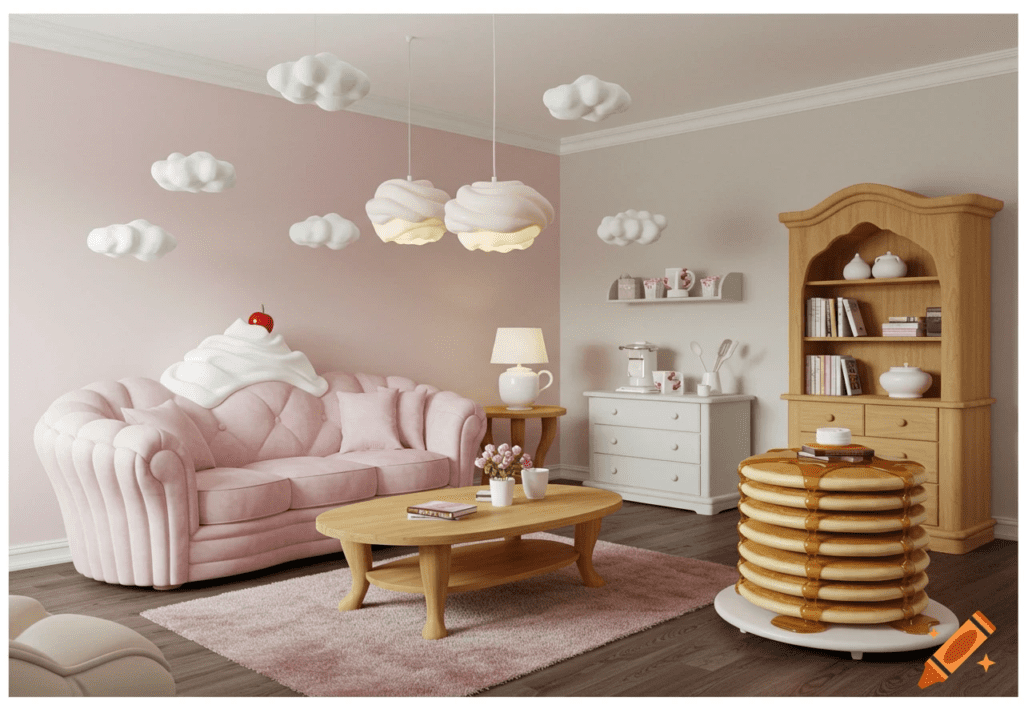
Crown molding can add elegance, but in low ceilings, keep it subtle.
Tips:
- Use thin, minimal moldings.
- Paint the molding the same color as the ceiling to avoid shortening effect.
- Avoid ornate or thick designs.
31. Window Placement
Windows that go high toward the ceiling create vertical emphasis.
Tips:
- Floor-to-ceiling windows if possible.
- Narrow vertical windows can create height illusion.
- Use sheer or light curtains.
32. Mirror Walls
Mirrors reflect light and give the illusion of height.
Tips:
- Place full-length mirrors on walls.
- Use mirrored furniture to reflect the ceiling.
- Avoid cluttered mirror frames that shrink the space.
33. Vertical Lighting Fixtures
Wall-mounted lights draw attention upward.
Tips:
- Avoid large chandeliers that lower visual ceiling height.
- Use sconces and uplights.
- Consider LED strips along vertical elements.
34. Artwork Placement
Artwork placement influences perceived ceiling height.
Tips:
- Hang artwork vertically, in a stacked arrangement.
- Avoid wide horizontal pieces near the ceiling.
- Use slim frames for elegance.
35. Furniture Arrangement
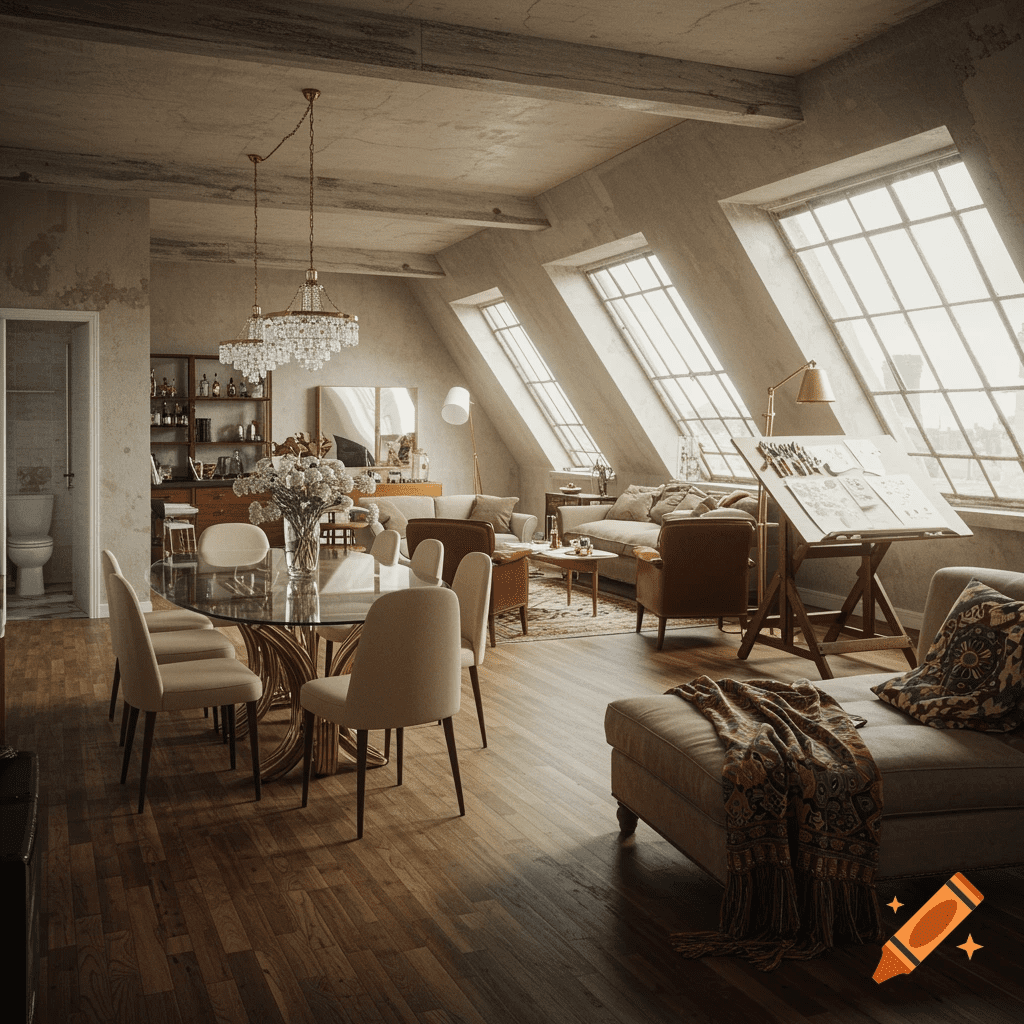
Proper layout enhances openness.
Tips:
- Keep furniture away from walls to create breathing room.
- Use floating furniture or wall-mounted tables.
- Avoid overcrowding small rooms.
36. Bedroom Ceiling Tricks
Bedrooms often feel most cramped with low ceilings.
Tips:
- Use platform beds or low frames.
- Opt for wall-mounted nightstands to free floor space.
- Keep overhead lighting minimal or recessed.
37. Living Room Ceiling Design
Ceilings in living rooms can feel taller with clever design.
Tips:
- Use beams or panels in vertical orientation.
- Keep flush lighting.
- Add tall plants or artwork to draw the eye upward.
38. Dining Area Ceiling Solutions
Low dining room ceilings can be enhanced with vertical elements.
Tips:
- Pendant lighting just above the table.
- Vertical wall décor or tall mirrors.
- Keep furniture low and minimalist.
39. Kitchen Ceiling Tips
Kitchens often feel cramped with low ceilings.
Tips:
- Use upper cabinets that end slightly below the ceiling.
- Install recessed or under-cabinet lighting.
- Keep backsplash colors light and reflective.
40. Bathroom Ceiling Tips
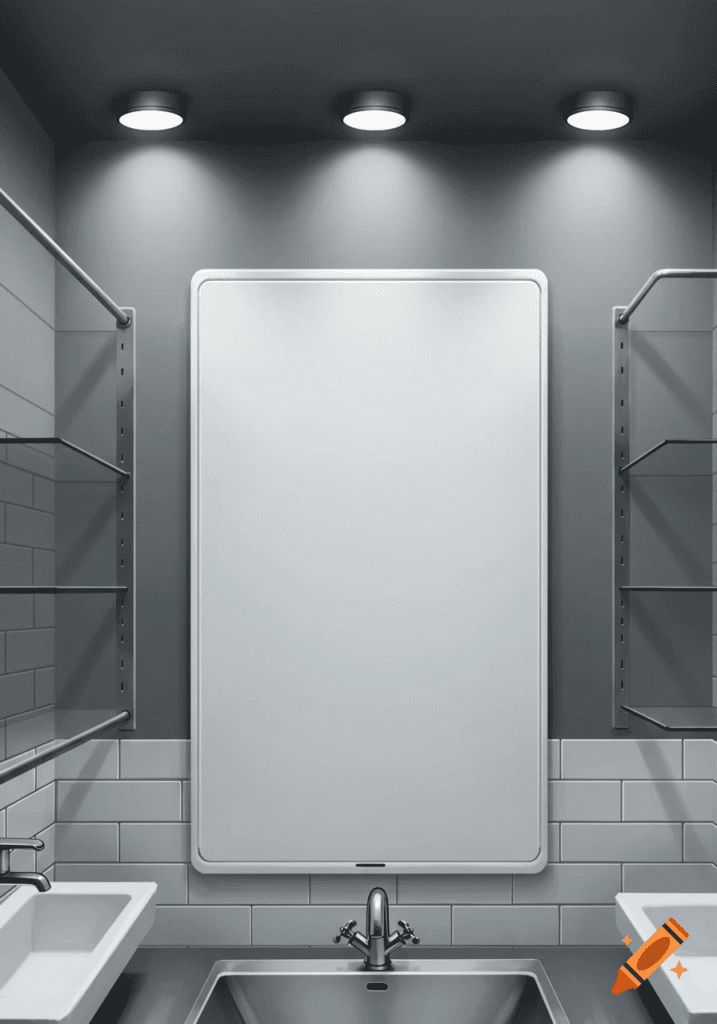
Bathrooms are usually the smallest rooms, so low ceilings are noticeable.
Tips:
- Use large mirrors above sinks.
- Avoid hanging fixtures; use recessed or wall-mounted lights.
- Keep tiles light and minimalistic.
41. Closet Ceiling Ideas
Closet space can feel compressed. Add personality with easy DIY crafts that brighten your low ceiling rooms
Tips:
- Use vertical shelving units.
- Keep colors light.
- Consider mirrored closet doors for visual height.
42. Hallway Ceiling Design
Hallways are narrow, so design matters.
Tips:
- Use recessed lighting along the length.
- Light-colored walls and ceilings.
- Add vertical artwork to elongate space.
43. Office or Study Rooms
Low ceilings in offices need smart layouts.
Tips:
- Use wall-mounted shelves to save floor space.
- Keep desks low-profile.
- Add vertical décor elements or tall lamps.
44. Ceiling Beams and Panels
If using beams, keep them subtle and vertical.
Tips:
- Avoid heavy horizontal beams that lower ceilings visually.
- Choose light wood or painted beams.
- Integrate lighting with beams for effect.
45. Loft and Attic Spaces
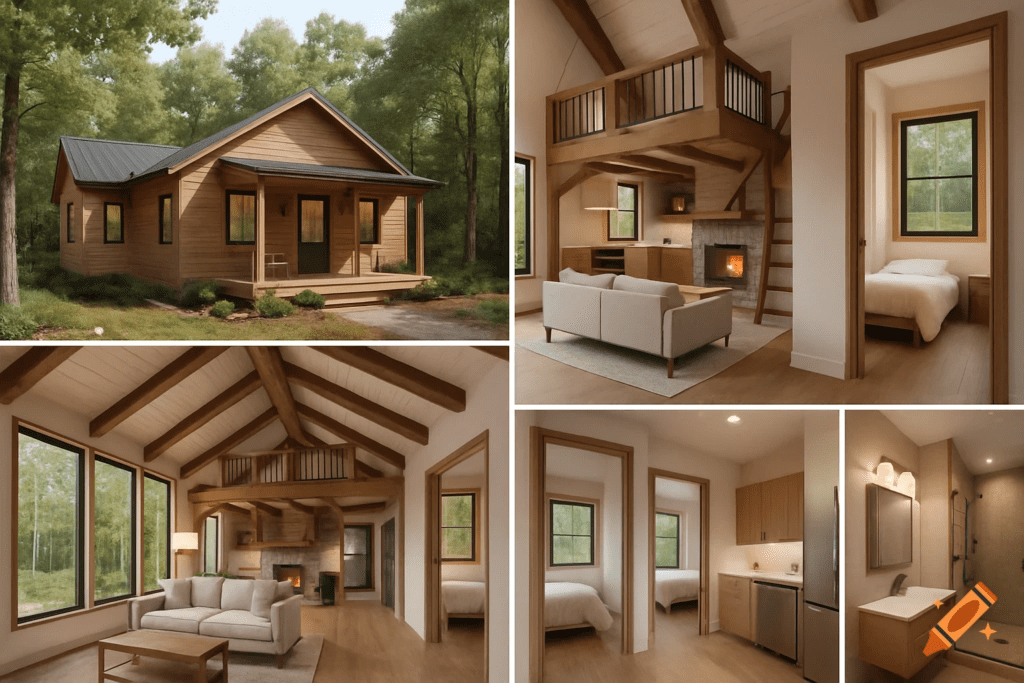
Low ceilings in lofts require careful planning.
Tips:
- Use built-in furniture.
- Keep pathways clear.
- Consider skylights for vertical openness.
46. Decorative Ceilings
Subtle textures can add style without lowering ceilings.
Tips:
- Use wallpaper or paint with vertical patterns.
- Avoid heavy molding.
- Use recessed or flush lighting.
47. Color Continuity Throughout the Home
Consistent light colors create a sense of flow and spaciousness.
Tips:
- Keep ceiling and walls similar in color.
- Use soft neutral tones throughout rooms.
- Maintain visual continuity with flooring.
48. Outdoor Design Tips
Blurring indoor and outdoor lines helps low ceilings feel airy.
Tips:
- Extend flooring outdoors.
- Use large windows or sliding doors.
- Keep outdoor ceiling fixtures flush.
49. Decorative Lighting Ideas
Lighting can add height perception.
Tips:
- Use vertical wall sconces.
- Incorporate uplighting.
- Avoid bulky chandeliers.
50. Finishing Touches
Final touches make low ceiling homes feel complete and airy.
Tips:
- Keep décor minimal and purposeful.
- Use vertical elements strategically.
- Add mirrors and reflective surfaces.
- Maintain light, consistent color schemes.