A cozy reading nook is more than a design trend. It is a functional and emotional space that supports focus, relaxation, and meaningful engagement with reading. In an era dominated by screens, constant notifications, and fast-paced routines, intentional reading spaces provide balance and mental clarity. Whether created in a home, classroom, or office, a thoughtfully designed reading nook encourages deeper concentration and a healthier relationship with learning.
Table of Contents
Table of Contents
- Understanding the Purpose of a Cozy Reading Nook
- Why Reading Environments Matter
- The Psychological Impact of Comfortable Reading Spaces
- Cozy Reading Nook Design Principles
- Creating a Cozy Reading Nook at Home
- Living Room Reading Nooks
- Bedroom Reading Nooks
- Children’s Reading Nooks at Home
- Cozy Reading Nook in School Classrooms
- Designing Reading Nooks for Classrooms
- Age-Specific Classroom Reading Spaces
- Inclusive Reading Spaces in Schools
- Office and Workplace Reading Nooks
- Designing Reading Spaces for Offices
- Home Office Reading Nooks
- Furniture Selection for Cozy reading nooks
- Lighting Design for Reading Spaces
- Using Colors to Enhance a Cozy Reading Nook
- Textures That Improve Comfort and Focus
- Lighting Strategies for All Environments
- Noise Control and Acoustic Comfort
- Furniture and Layout Tips
- Storage Solutions for Reading Nooks
- Reading Nooks in School Classrooms – Advanced Tips
- Home Office Reading Nooks
- Creating a Multi-Purpose Reading Nook
- Seasonal Adaptation of Reading Spaces
- Psychological and Emotional Benefits
- Common Mistakes to Avoid
- Creating Cozy Reading Nooks in Offices and Workspaces
- Blending Reading Spaces with Other Office Functions
- Maintaining a Cozy Reading Nook Over Time
- Digital vs. Print Reading in a Cozy Reading Nook
- Incorporating Technology Without Distraction
- Advanced Tips for Long-Lasting Comfort
- Psychological Benefits of a Cozy Reading Nook
- Actionable Tips to Start Your Cozy Reading Nook Today
- Long-Term Strategies for Use and Maintenance
- Conclusion: The Enduring Value of a Cozy Reading Nook
This comprehensive guide explores how reading spaces function across different environments, how they influence behavior and productivity, and how to design them effectively without overwhelming the space or compromising comfort. Every section is written with long-form SEO structure in mind, making it ideal for Rank Math optimization.
Understanding the Purpose of a Cozy Reading Nook
A cozy reading nook is a designated area created specifically for reading and quiet reflection. Unlike general seating areas, it is intentionally designed to minimize distractions and maximize comfort. The purpose of such a space is not only to provide a place to sit but to create an environment where reading feels natural and enjoyable.
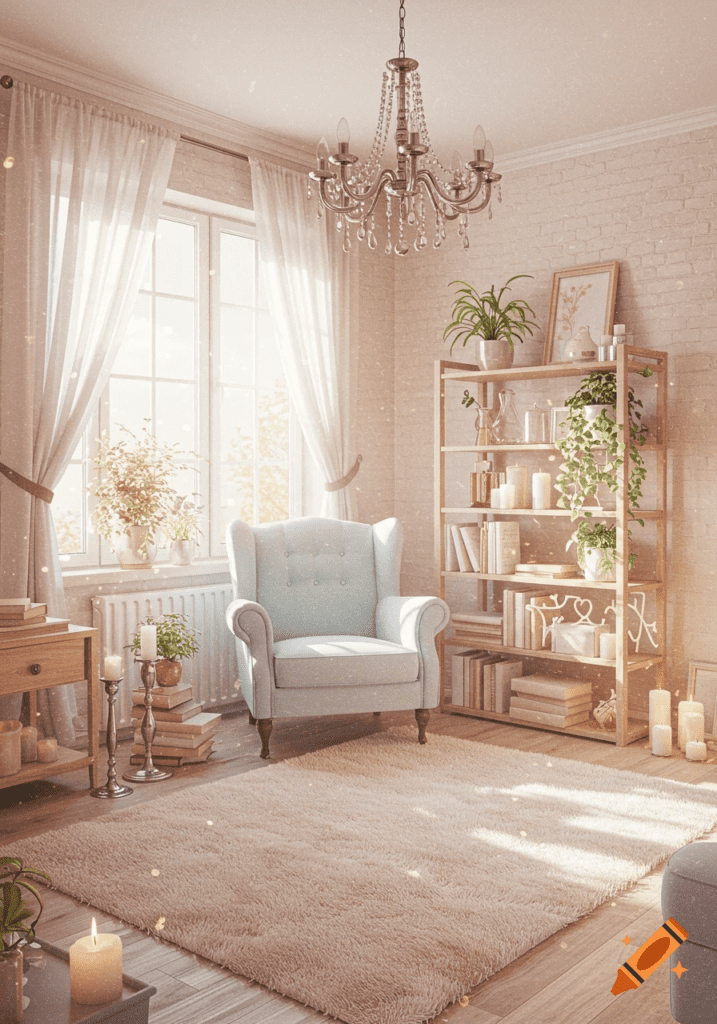
Key characteristics of a functional reading nook include:
- A sense of physical comfort
- Visual calm and warmth
- Adequate lighting for reading
- Easy access to books or reading materials
- A feeling of separation from noise and interruptions
When these elements work together, reading becomes an experience rather than a task.
Why Reading Environments Matter
The environment in which cozy reading nook takes place directly affects comprehension, attention span, and emotional engagement. Research in environmental psychology shows that people are more focused and relaxed in spaces that feel comfortable and predictable.
A reading space designed with care:
- Reduces mental fatigue
- Encourages longer reading sessions
- Improves information retention
- Supports emotional regulation
This applies equally to adults reading for pleasure, students learning new material, and professionals reviewing complex documents.
The Psychological Impact of Comfortable Reading Spaces
Comfort influences behavior. When seating is uncomfortable or lighting is harsh, the body sends signals of discomfort to the brain. cozy reading nook reduces the mental energy available for comprehension and reflection.
A well-designed reading space supports:
- Relaxed posture
- Steady breathing
- Reduced physical tension
- Improved focus and patience
Over time, the brain begins to associate the reading area with calm and concentration, reinforcing positive reading habits.
Cozy Reading Nook Design Principles
Before choosing furniture or décor, it is important to understand the foundational design principles that make a reading nook successful.
1. Comfort Comes First
No amount of decoration can compensate for uncomfortable seating. The primary function of a reading nook is to support the body for extended periods.
2. Simplicity Enhances Focus
Overdecorating can make a space feel cluttered. A cozy reading nook should feel visually calm.

3. Lighting Must Support Reading
Lighting should be sufficient for reading without causing glare or eye strain.
4. Accessibility Encourages Use
Books and seating should be easy to reach and use without effort.
Creating a Cozy Reading Nook at Home
Home reading spaces are often the most personal. They reflect individual habits, preferences, and routines.
Best Locations Inside the Home
- Corners of living rooms
- Bedrooms near windows
- Under staircases
- Hallways with unused space
- Attics or lofts
- Balconies or enclosed patios
The best location is one that feels naturally quiet and separate from high-traffic areas.

Living Room Reading Nooks
Living rooms are shared spaces, but they can still accommodate comfortable reading areas.
Design tips for living room reading spaces
- Use rugs or floor lamps to visually define the area
- Position seating away from televisions
- Choose furniture that complements existing décor
- Maintain openness while creating a sense of privacy
Living room reading nooks work well for light reading, magazines, and family reading time.

Bedroom Reading Nooks
Bedrooms naturally support rest and quiet, making them ideal for reading.
Benefits of bedroom reading spaces
- Encourages screen-free evenings
- Supports better sleep routines
- Creates a calming nighttime ritual
Effective bedroom reading nook features
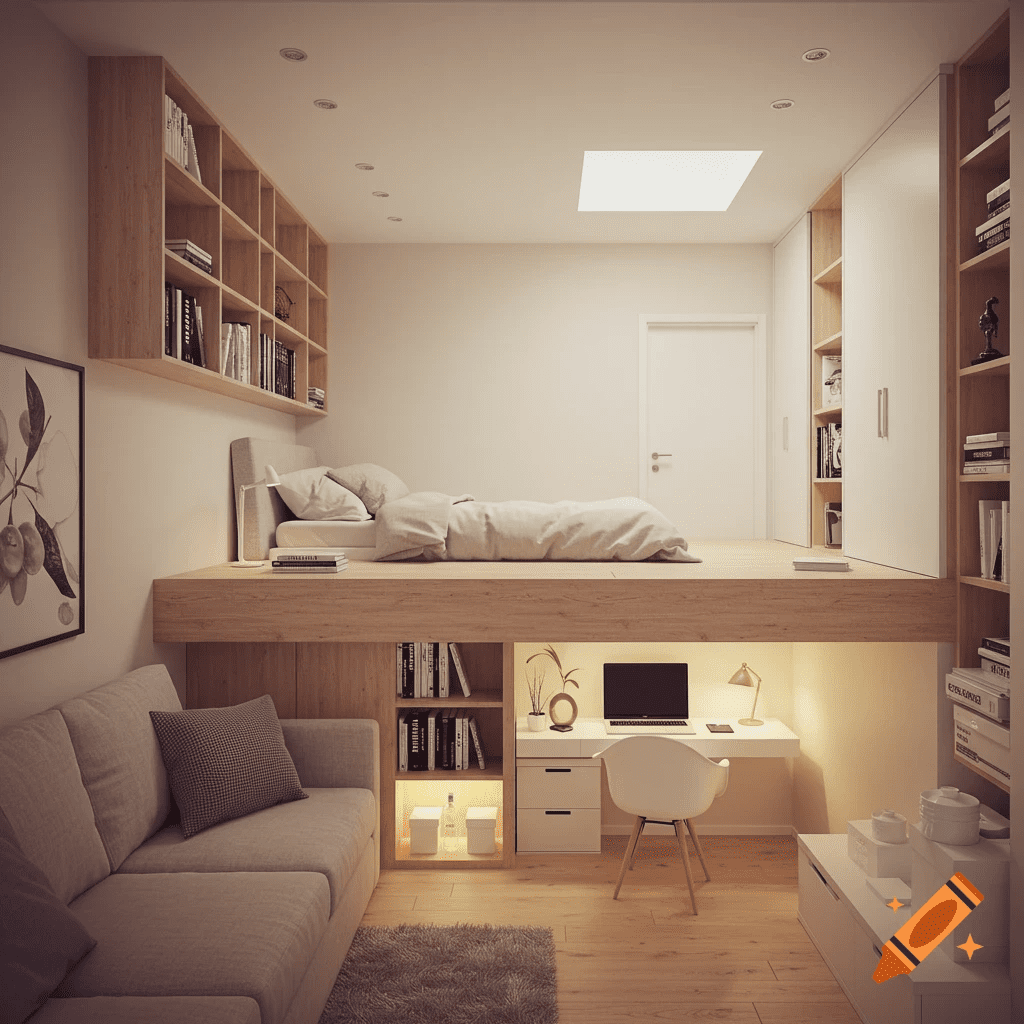
- Soft seating such as armchairs or window benches
- Warm, dimmable lighting
- Minimal décor to maintain tranquility
Bedroom reading spaces should feel restful rather than stimulating.
Children’s Reading Nooks at Home
Children benefit significantly from having their own reading area.
Why children need dedicated reading spaces
- Builds positive reading associations
- Encourages independence
- Supports early literacy development
Design elements for children
- Soft floor seating
- Low, accessible shelves
- Calm but inviting colors
- Clear organization
A child’s reading nook should feel safe, welcoming, and pressure-free.
Cozy Reading Nook in School Classrooms
Classrooms are structured environments, but they also benefit from softer spaces.
Why classroom cozy reading nooks matter
- Reduces classroom overstimulation
- Encourages independent reading
- Supports emotional regulation
- Accommodates different learning styles
Students often perform better when they have access to quiet, comfortable areas.
Designing Reading Nooks for Classrooms
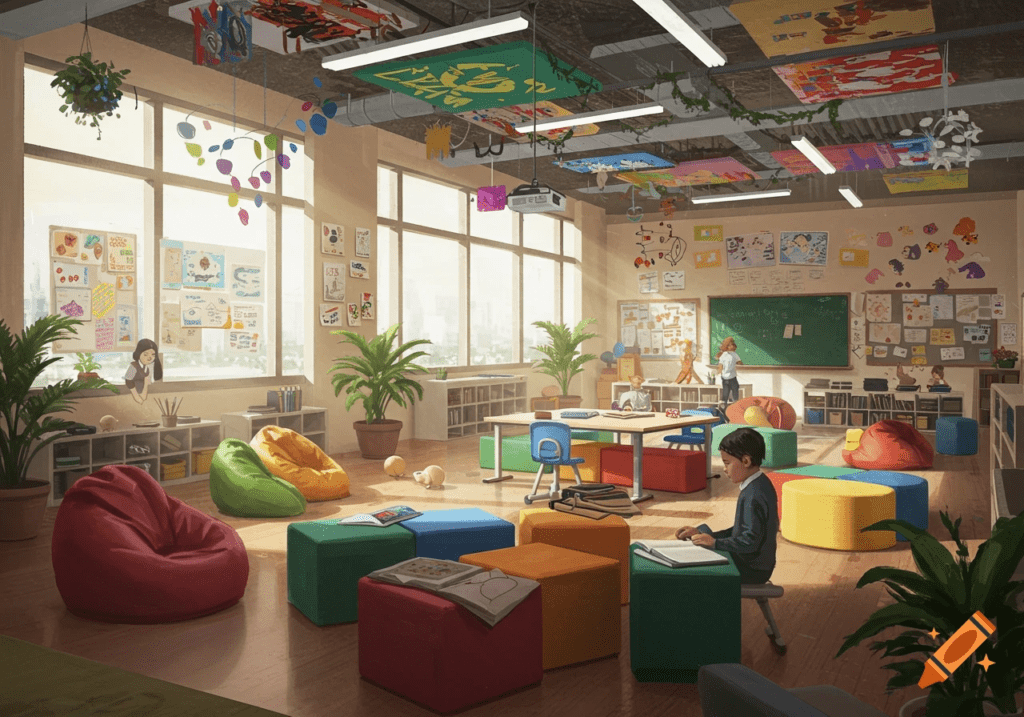
Classroom cozy reading nook spaces should be functional, durable, and inviting.
Essential classroom elements
- Floor mats or soft seating
- Organized book displays
- Clear boundaries from active areas
- Neutral or calming colors
The goal is to make reading feel enjoyable rather than mandatory.
Age-Specific Classroom Reading Spaces
Early Childhood
- Bright but soft colors
- Picture books displayed forward
- Cushions and rugs
Elementary Level
- Mixed seating options
- Chapter books and learning materials
- Quiet corner placement
Middle and High School
- Structured seating
- Minimal decoration
- Emphasis on focus and quiet
Each age group benefits from a reading space tailored to developmental needs.
Inclusive Reading Spaces in Schools
Inclusive design ensures all students can use the reading area comfortably.
Key inclusivity considerations
- Flexible seating
- Clear walkways
- Adjustable lighting
- Organized layouts
Inclusive reading spaces promote confidence and independence.

Office and Workplace Reading Nooks
Modern workplaces increasingly value mental well-being and continuous learning.
Why offices need reading spaces
- Supports professional development
- Encourages reflective thinking
- Reduces screen fatigue
- Improves focus
A reading area in an office signals that learning and well-being are priorities.
Designing Reading Spaces for Offices
Office cozy reading nook should balance comfort and professionalism.
Recommended features
- Ergonomic chairs
- Neutral color schemes
- Controlled lighting
- Sound management
These spaces should support reading without feeling informal or distracting.
Home Office Reading Nooks
Home offices benefit greatly from separate reading areas.
Advantages
- Mental separation from desk work
- Improved focus during reading tasks
- Restorative breaks
Even a single comfortable chair with proper lighting can function effectively.
Furniture Selection for Cozy reading nooks
Furniture determines how long a space can be comfortably used.

Best seating options
- Armchairs with lumbar support
- Lounge chairs
- Window benches
- Cushioned floor seating
Supporting furniture
- Side tables
- Ottomans
- Compact shelves
Always prioritize physical comfort over appearance.
Lighting Design for Reading Spaces
Lighting directly affects eye comfort and concentration.
Best lighting practices
- Use warm light tones
- Avoid overhead glare
- Combine task and ambient lighting
Effective lighting options
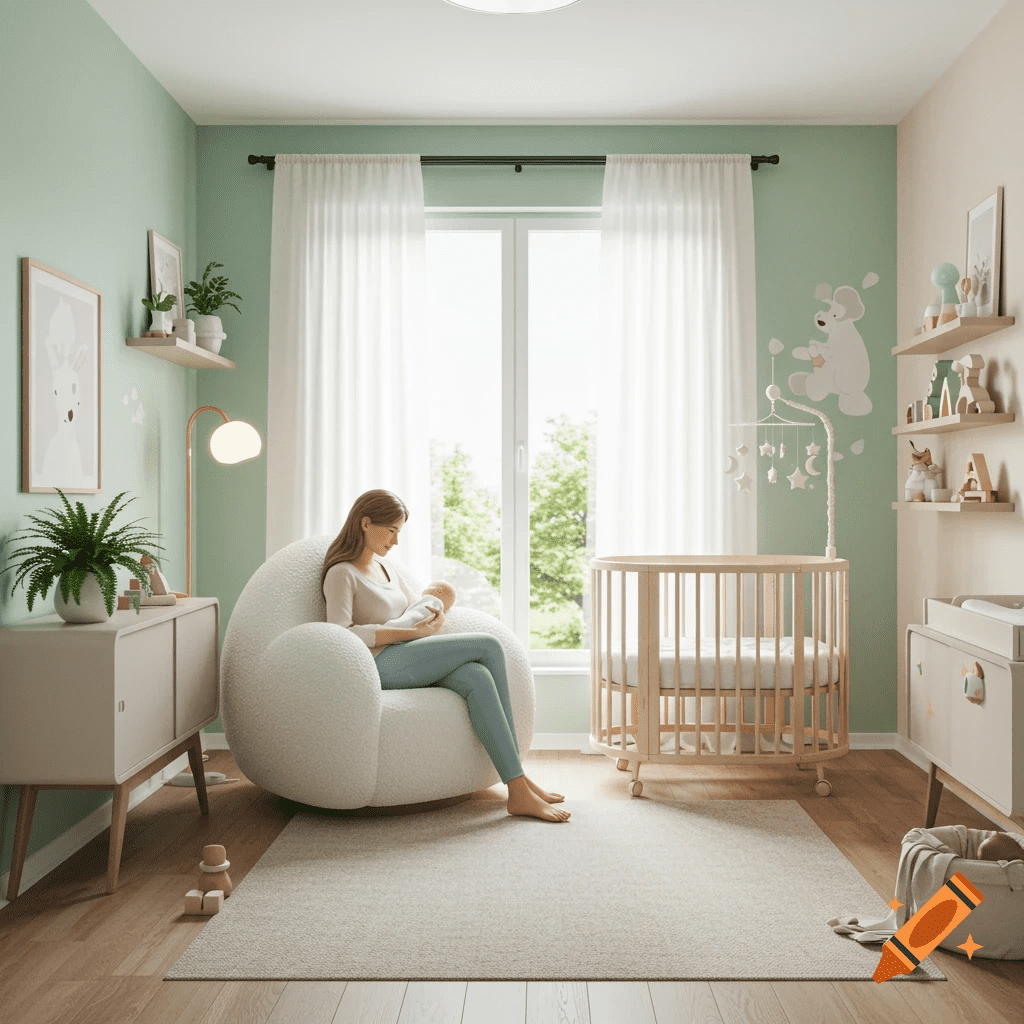
- Floor lamps
- Desk lamps
- Wall-mounted lights
Good lighting extends reading time and reduces fatigue.
Using Colors to Enhance a Cozy Reading Nook
Colors play a subtle but crucial role in shaping mood and focus in reading spaces. The right palette encourages calm, comfort, and prolonged attention.
Recommended color palettes
- Neutrals: Cream, beige, soft gray – create calm, adaptable spaces.
- Earth tones: Olive, terracotta, muted browns – provide warmth and grounding.
- Soft blues and greens: Promote mental calm and relaxation.
Tips for color application
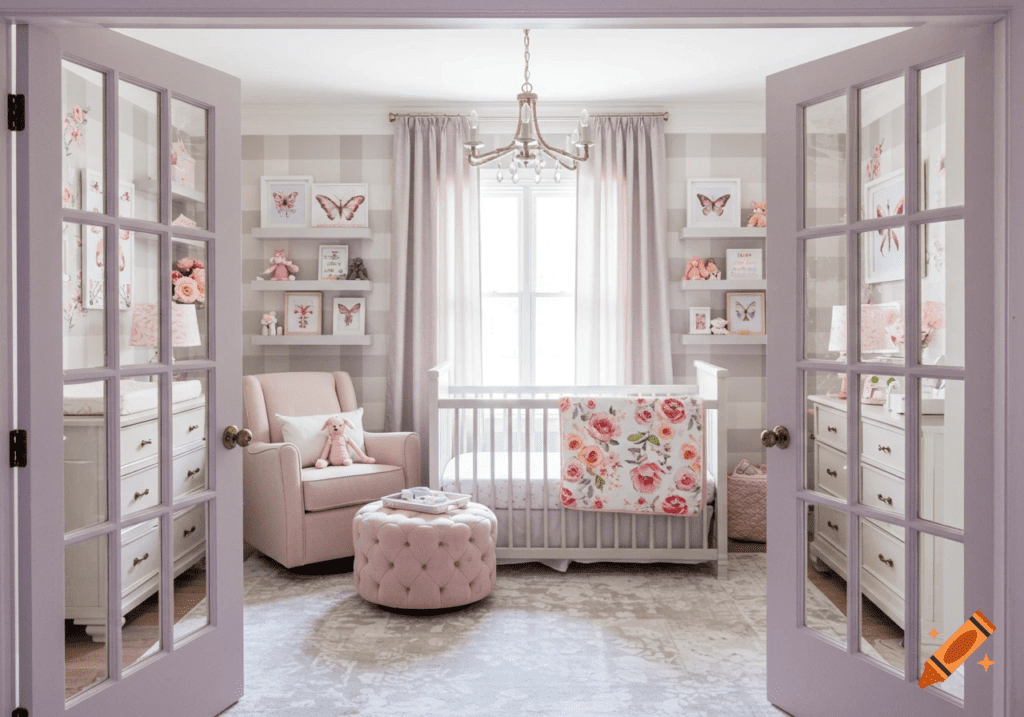
- Use brighter accents sparingly to prevent overstimulation.
- Layer colors in textiles (cushions, rugs, throws) to add depth.
- Consider wall color, furniture, and accessories as a cohesive palette.
Colors should support focus rather than distract.
Textures That Improve Comfort and Focus
Textures affect both tactile and visual comfort. A variety of textures can make a cozy reading nook feel inviting and layered.
Recommended textures
- Soft upholstery fabrics for chairs or cushions
- Plush rugs for warmth and sound absorption
- Woven throws or blankets for comfort
- Wooden or natural elements for grounding
Avoid textures that reduce comfort
- Hard plastic seating for long reading sessions
- Slick surfaces that feel cold or sterile
A layered approach balances coziness with durability.
Lighting Strategies for All Environments
Proper lighting is essential in every reading nook—home, classroom, or office.
Layered lighting
- Ambient lighting: Provides overall illumination without harsh glare.
- Task lighting: Focused light for reading, such as a desk lamp or floor lamp.
- Accent lighting: Optional decorative lighting to enhance mood.
Positioning tips
- Avoid shadows on pages by placing lights slightly behind the shoulder.
- Adjustable lighting supports users with different vision needs.
- In classrooms, diffuse overhead lighting works best for groups.
Lighting can transform a simple corner into a welcoming reading sanctuary.
Noise Control and Acoustic Comfort
Noise is one of the biggest challenges in shared reading spaces.
Home reading nooks
- Use rugs and curtains to absorb sound.
- Place nooks away from televisions or busy hallways.
Classroom reading corners
- Choose corners away from high-traffic areas.
- Consider fabric-covered seating or wall panels for sound absorption.
Office reading areas
- Acoustic panels or partitions help maintain quiet.
- Position reading nooks near low-traffic zones to minimize distractions.
Reducing noise improves concentration and enhances reading enjoyment.
Furniture and Layout Tips
The layout determines how functional and inviting a reading nook feels.
Seating
- Armchairs with lumbar support for longer reading
- Floor cushions for casual or children’s spaces
- Window benches with soft padding
Supporting furniture
- Side tables for books, notebooks, or beverages
- Small bookshelves for easy access to reading materials
- Ottomans for comfort and leg support
Arrangement tips
- Ensure seating faces light sources for comfortable reading.
- Avoid overcrowding; allow space for movement and relaxation.
- For classrooms, modular furniture allows flexibility for group reading or independent study.
Storage Solutions for Reading Nooks
An organized reading nook encourages consistent use and makes the space inviting.
Practical storage ideas
- Low bookshelves for easy access
- Floating wall shelves for vertical storage
- Storage baskets or bins for cushions, blankets, or magazines
- Small cabinets or benches with hidden storage
Classroom considerations
- Organize books by reading level or category
- Rotate materials periodically to maintain engagement
- Label storage clearly for independence
Reading Nooks in School Classrooms – Advanced Tips
Classroom reading spaces benefit from detailed attention to comfort, accessibility, and emotional needs.
Design Considerations
- Combine seating types (cushions, small chairs, beanbags) to support diverse student preferences.
- Create visual calm with soft colors and uncluttered walls.
- Provide flexible lighting solutions like clip-on lamps for desks or corners.
Benefits
- Encourages independent and voluntary reading
- Improves literacy and comprehension
- Offers emotional comfort and stress relief
- Supports students with sensory sensitivities
Maintenance Tips

- Rotate books frequently to keep the area engaging.
- Clean cushions and mats regularly to maintain hygiene.
- Update wall art seasonally to refresh the atmosphere.
Home Office Reading Nooks
Home offices increasingly integrate reading spaces for focused work, professional learning, and creative thinking.
Why they are essential
- Provides a mental break from desk work
- Supports professional development reading
- Reduces eye strain by offering alternatives to screens
Key design elements
- Ergonomic seating for extended use
- Adjustable task lighting for flexibility
- Minimal décor to avoid distraction
- Small bookshelves or digital device stands
Even compact spaces can accommodate a functional reading nook if furniture and lighting are thoughtfully arranged.
Creating a Multi-Purpose Reading Nook
cozy reading nook spaces can double as relaxation or work zones, especially in smaller homes or offices.
Tips for multi-use areas
- Use furniture with dual functions (e.g., storage ottomans)
- Keep essential reading items accessible
- Define the space visually with rugs, lighting, or furniture placement
- Use portable lighting for flexible use
This approach ensures the nook remains usable without cluttering the environment.

Seasonal Adaptation of Reading Spaces
A cozy reading nook should evolve with the seasons.
Winter
- Add plush blankets, thick rugs, and warm lighting
- Introduce rich, comforting colors
Summer
- Replace heavy fabrics with light textiles
- Maximize natural light
- Use airy seating like woven chairs or mats
Seasonal updates keep the space fresh and inviting.
Psychological and Emotional Benefits
A cozy reading nook affects not only focus but also emotional well-being.
Benefits include
- Reduces stress and anxiety
- Encourages mindfulness
- Supports emotional regulation
- Increases motivation for learning
- Provides a sense of ownership for children and adults alike
Spaces that combine comfort, accessibility, and aesthetic appeal strengthen these psychological benefits.
Common Mistakes to Avoid
Even well-intentioned reading areas can fail if basic principles are ignored.
Avoid
- Poor lighting that strains the eyes
- Uncomfortable seating
- Cluttered layouts
- Over-stimulating colors or patterns
- Neglecting accessibility and inclusivity
Proper planning ensures the nook is functional, welcoming, and sustainable.

Creating Cozy Reading Nooks in Offices and Workspaces
Reading spaces are no longer exclusive to homes or schools. Modern workplaces increasingly prioritize quiet zones to support professional growth, reflection, and learning.
Benefits of office reading nooks
- Encourages professional development and continuous learning
- Reduces mental fatigue from long hours at a desk
- Provides a quiet retreat for focused tasks
- Supports creativity and problem-solving
Key office design principles
- Ergonomic Seating: Chairs with lumbar support and armrests allow long reading sessions without strain.
- Adjustable Lighting: Desk lamps or floor lamps should allow brightness adjustment to suit different reading tasks.
- Minimalistic Décor: Avoid overly bright or busy patterns that can distract from focus.
- Acoustic Control: Noise-absorbing panels or rugs help reduce distractions from surrounding activity.
- Defined Spaces: Use partitions, shelves, or furniture placement to visually separate the reading nook from high-traffic areas.
By integrating these elements, even small office corners can become functional reading areas that employees actually use.
Blending Reading Spaces with Other Office Functions
Many workplaces have open floor plans, so reading areas often double as spaces for relaxation, brief meetings, or brainstorming sessions.
Tips for multi-purpose office reading nooks
- Use modular furniture that can be reconfigured
- Incorporate portable lighting for different tasks
- Keep books and professional materials accessible
- Use side tables or small desks to allow light note-taking
Even in open environments, clear visual boundaries help reinforce that the nook is meant for focused reading.

Maintaining a Cozy Reading Nook Over Time
A cozy reading nook space only remains effective if it is well-maintained. Regular upkeep ensures comfort, accessibility, and appeal.
Maintenance tips
- Dust bookshelves and seating regularly
- Wash or replace cushion covers and blankets
- Rotate books and reading materials to maintain interest
- Replace burned-out bulbs promptly
- Check furniture stability and repair any wear
Maintaining the space helps prevent it from becoming cluttered, dusty, or uncomfortable, keeping it inviting for frequent use.
Digital vs. Print Reading in a Cozy Reading Nook
Reading habits are increasingly a mix of digital and print formats. A well-designed reading nook should accommodate both.
Tips for digital reading
- Provide adjustable lighting to reduce screen glare
- Offer a small table or stand for tablets or e-readers
- Ensure ergonomic seating to prevent posture-related strain
- Include charging stations for devices
Tips for print reading
- Easy access to bookshelves or baskets
- Comfortable seating for holding books
- Side tables for placing drinks or notebooks
A flexible reading nook ensures that all readers—digital or print—can enjoy long, comfortable sessions.
Incorporating Technology Without Distraction
While digital reading devices are convenient, too much technology can interfere with focus.
Smart integration strategies
- Use noise-canceling headphones for digital reading
- Keep notification settings off during reading sessions
- Limit screen time to specific periods in the nook
- Ensure good lighting and posture while using tablets or e-readers
Technology should enhance reading, not disrupt it.
Advanced Tips for Long-Lasting Comfort
To truly maximize the potential of a reading nook, consider the following:
1. Personalization
- Add elements that reflect the user’s taste, like artwork or favorite colors
- Use personal blankets or cushions for comfort
- Encourage students or employees to help select books or décor
2. Layered Spaces
- Incorporate multiple seating options: chairs, floor cushions, window benches
- Add throw blankets, pillows, or footrests to adapt to different needs
3. Seasonal Adjustments
- Winter: warmer lighting, plush throws, layered rugs
- Summer: lighter fabrics, airy seating, maximize natural light
4. Accessibility
- Ensure all users can reach books, seating, and lighting easily
- Avoid heavy furniture that limits mobility
- In classrooms, make low shelves accessible to all students
Psychological Benefits of a Cozy Reading Nook
Beyond comfort, reading nooks provide measurable mental and emotional benefits.
Cognitive Benefits
- Improved comprehension and memory retention
- Enhanced focus and concentration
- Encouragement of lifelong learning habits
Emotional Benefits
- Reduced stress and anxiety
- A sense of ownership and independence
- Safe spaces for reflection, imagination, and mindfulness
These benefits explain why investing time and resources into creating reading nooks pays off in long-term well-being.
Actionable Tips to Start Your Cozy Reading Nook Today
Here’s a practical checklist to help you get started a cozy reading nook:
1. Choose Your Space
- Find a quiet corner or low-traffic area
- Consider natural light availability
- Ensure the space feels visually separate from daily distractions
2. Select Furniture
- Prioritize comfort: armchairs, cushions, benches
- Add supporting furniture: side tables, small bookshelves, ottomans
3. Add Proper Lighting
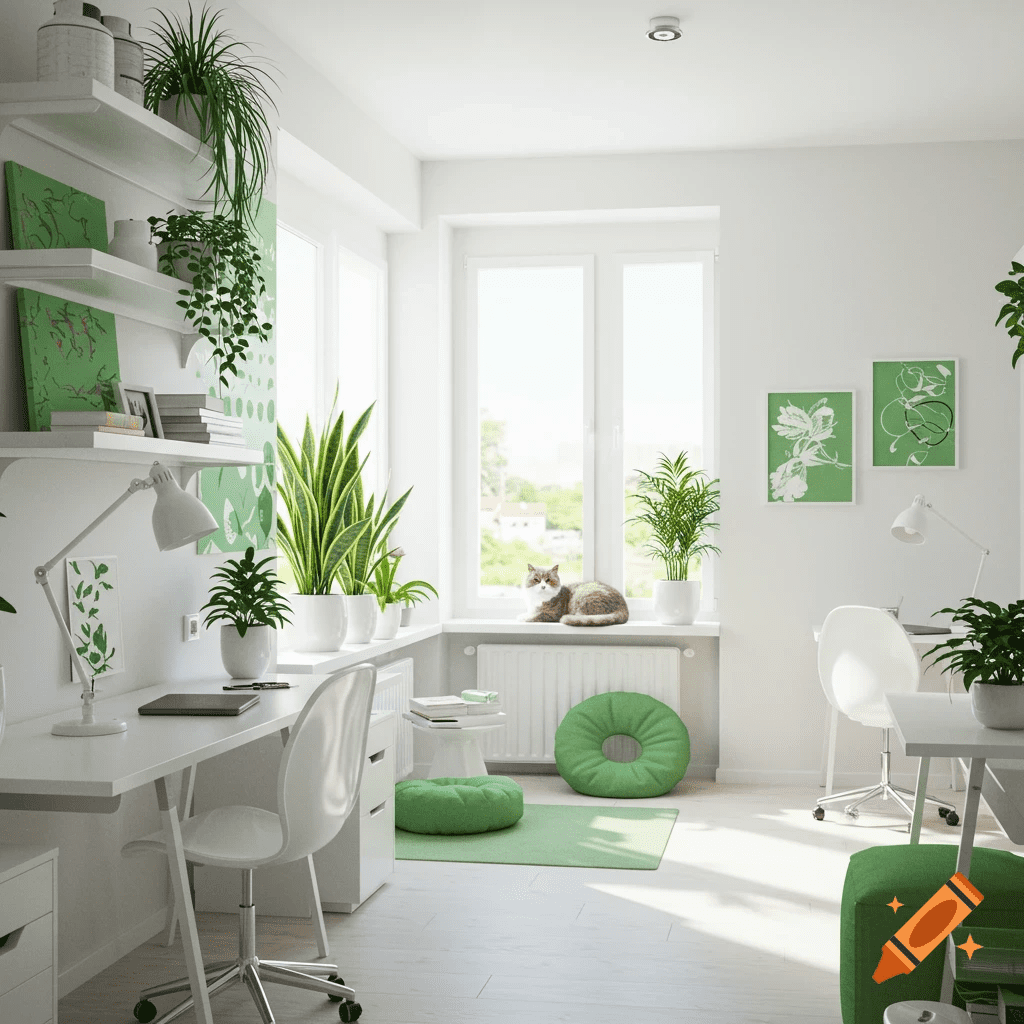
- Combine ambient, task, and accent lighting
- Use warm tones to reduce eye strain
- Ensure flexibility for reading at any time
4. Organize Books and Materials
- Use accessible shelves or baskets
- Keep the space clutter-free
- Rotate materials for variety
5. Include Textures and Personal Touches
- Layer rugs, throws, and pillows
- Add personal décor that inspires comfort
- Ensure seating materials are soft and inviting
6. Manage Noise

- Place the nook away from loud areas
- Use soft furnishings to absorb sound
- Consider partitions or panels if needed
Long-Term Strategies for Use and Maintenance
- Regularly review lighting and furniture to ensure comfort
- Update reading materials periodically for relevance and interest
- Keep the area tidy to maintain an inviting atmosphere
- Encourage consistent use, especially for children or students
- Integrate technology wisely without compromising focus
A reading nook is most effective when it is maintained as a living, evolving space.
Conclusion: The Enduring Value of a Cozy Reading Nook
A cozy reading nook is much more than a corner with a chair and lamp. It is a functional, emotional, and psychological sanctuary designed to support focus, learning, and well-being. Across homes, schools, and offices, a well-planned reading space encourages:
- Longer and more meaningful reading sessions
- Better comprehension and cognitive performance
- Emotional comfort and stress reduction
- Positive, lifelong reading habits
By combining comfort, accessibility, lighting, colors, textures, and organization, any space—small or large—can be transformed into a dedicated reading environment. Thoughtful attention to these details ensures the reading nook is not just used occasionally, but becomes a central, cherished part of everyday life.