Creating your own DIY wall art is one of the most satisfying ways to personalize your living space. Whether you’re decorating a new home or refreshing a tired room, DIY wall art allows you to express your creativity while staying within budget. But one of the biggest questions beginners and even experienced crafters face is: which materials are best for DIY wall art?
Table of Contents
Table of Contents
The truth is, the materials you choose can make or break your final result. From durability and texture to cost and ease of use, each material offers unique advantages. In this guide, we’ll explore the best materials for DIY wall art and help you decide which ones suit your style, skill level, and home décor goals.
Why Choosing the Right Materials Matters
Before jumping into specific options, it’s important to understand why material selection is so crucial. The right materials not only affect the appearance of your artwork but also determine how long it lasts and how easy it is to create.
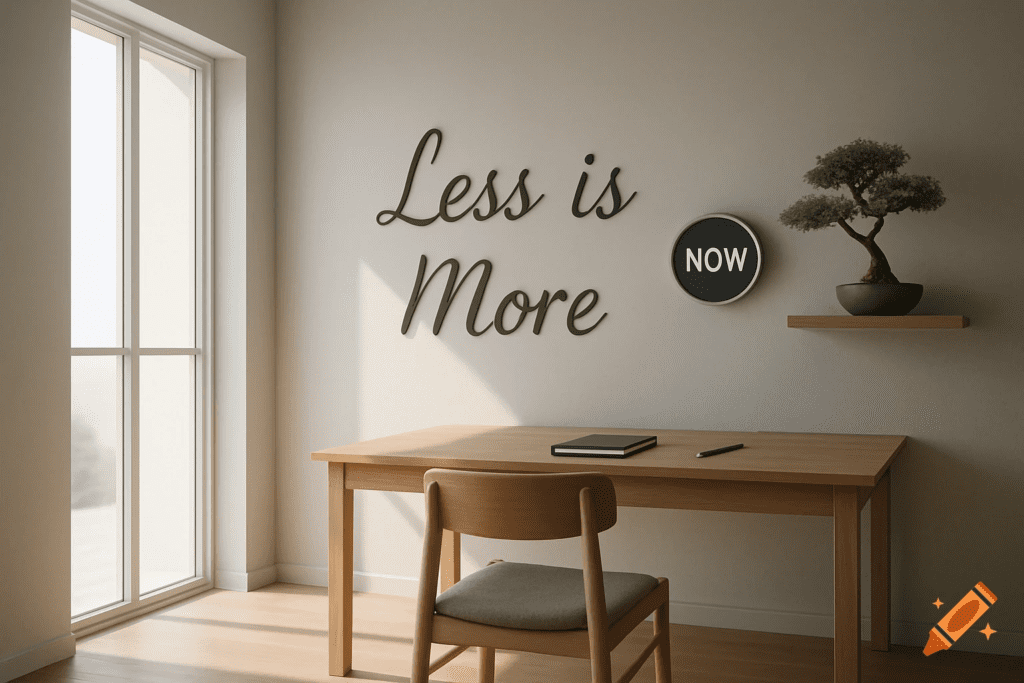
For example, lightweight materials are ideal for renters who want damage-free décor, while more durable options like wood or metal work better for long-term installations. Similarly, beginners may prefer easy-to-handle materials like canvas or paper, while advanced DIYers might experiment with mixed media.
1. Canvas: The Most Popular Choice
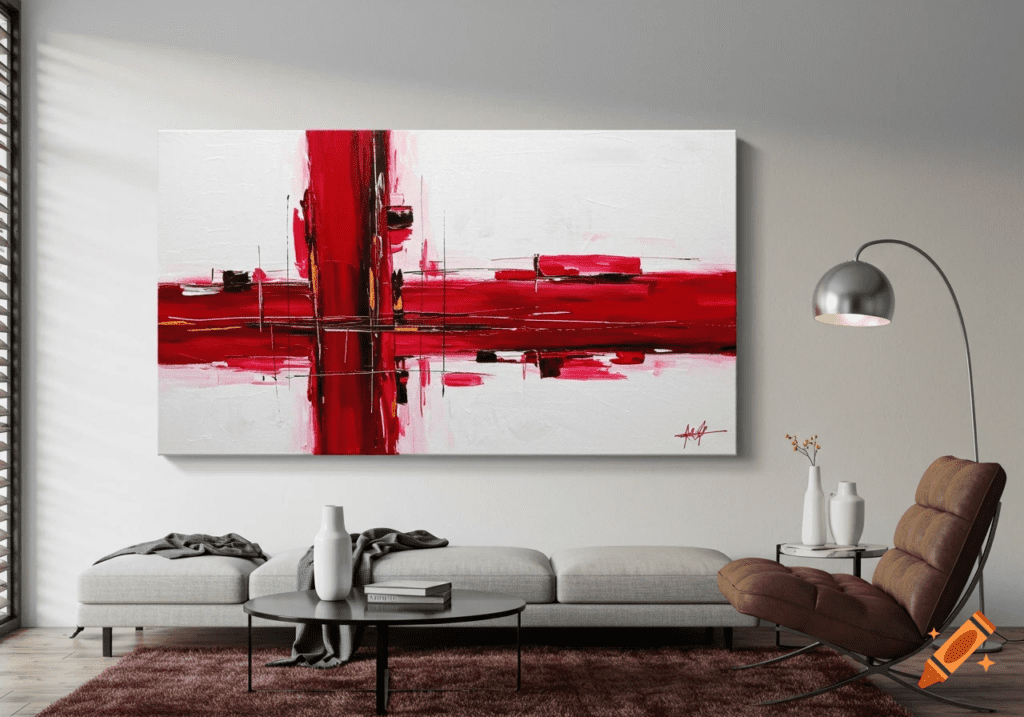
Canvas is arguably the most widely used material for DIY wall art—and for good reason. It’s beginner-friendly, versatile, and readily available in different sizes.
Benefits of Canvas:
- Easy to paint on (acrylics, oils, and even markers work well)
- Lightweight and easy to hang
- Available pre-stretched or in panels
- Offers a professional, gallery-like finish
Canvas is perfect for abstract art, quote designs, and minimalist pieces. If you’re just starting with DIY wall art, this is one of the safest and most rewarding materials to use.
2. Wood: Rustic and Timeless Appeal
Wood brings warmth and texture to any space, making it an excellent material for rustic, farmhouse, or bohemian-style décor.
Why Choose Wood:
- Extremely durable and long-lasting
- Ideal for engraving, painting, or staining
- Adds a natural, organic feel to interiors
- Works well for 3D wall art projects
You can use reclaimed wood for an eco-friendly touch or smooth wooden panels for a cleaner look. Wood is slightly more challenging to work with than canvas, but the results are often worth the effort.
3. Paper and Cardstock: Budget-Friendly Creativity
If you’re looking for a cost-effective option, paper and cardstock are excellent materials for DIY wall art. They’re perfect for intricate designs and quick projects.
Advantages:
- Very affordable and accessible
- Great for cutting, folding, and layering
- Ideal for typography and printable art
- Easy to replace or update
You can create stunning gallery walls using printed quotes, illustrations, or even digital art. However, keep in mind that paper is less durable and should be protected with frames or glass.
4. Fabric and Textiles: Soft and Stylish
Fabric-based wall art is gaining popularity, especially among those who love cozy and textured interiors.
Why Use Fabric:
- Adds softness and depth to walls
- Perfect for embroidery, weaving, or macramé
- Wide variety of patterns and colors available
- Great for boho and modern décor styles
From framed fabric prints to handmade tapestries, textiles offer endless creative possibilities. They also help reduce noise and improve room acoustics slightly.
5. Metal: Modern and Industrial Vibes
For a sleek and contemporary look, metal can be an excellent choice. While it may not be the easiest material for beginners, it delivers a bold and stylish finish.
Key Benefits:
- Highly durable and long-lasting
- Resistant to wear and tear
- Perfect for geometric or industrial designs
- Reflects light, adding dimension to your space
Metal wall art often requires special tools, but even simple additions like metal frames or accents can elevate your DIY wall art projects.
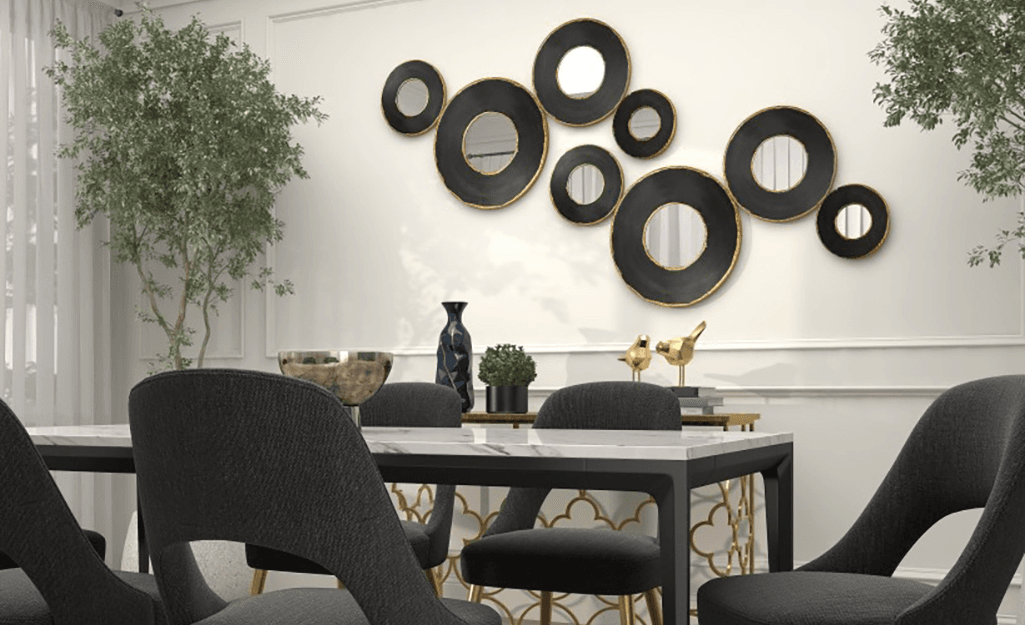
6. Glass and Mirrors: Elegant and Reflective
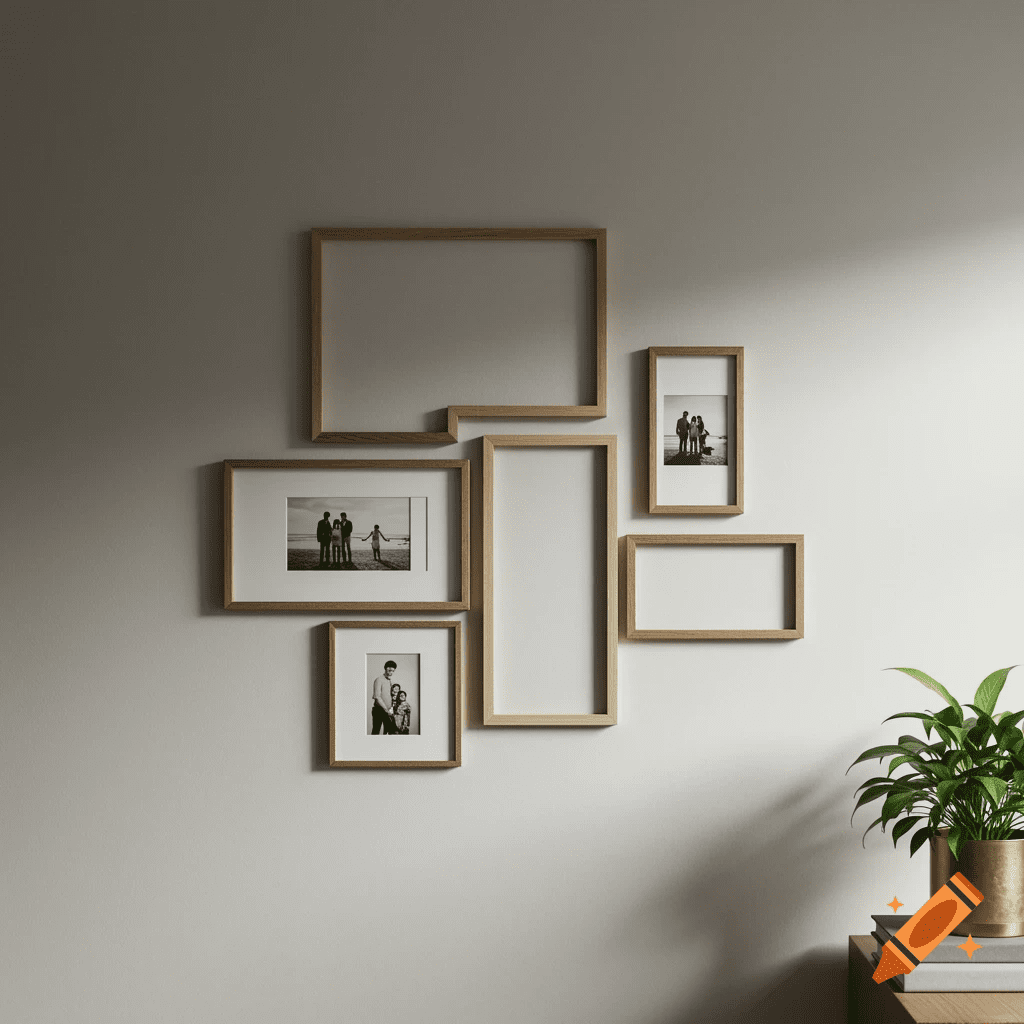
Glass and mirror-based wall art can make a room feel larger and brighter. These materials are ideal for adding a touch of elegance.
Why Consider Glass:
- Reflects light and enhances space
- Works well in small rooms
- Great for modern and luxury interiors
- Can be combined with paint or etching
However, glass is fragile and requires careful handling. It’s best suited for those who already have some DIY experience.
7. Recycled and Upcycled Materials: Eco-Friendly Options
If sustainability matters to you, consider using recycled materials for your DIY wall art. This approach is not only environmentally friendly but also highly creative.
Examples of Recycled Materials:
- Old magazines and newspapers
- Bottle caps or corks
- Scrap wood or leftover fabric
- Cardboard and packaging materials
Upcycled art pieces often have a unique, one-of-a-kind charm that you won’t find in store-bought décor.
8. Mixed Media: Unlimited Creativity
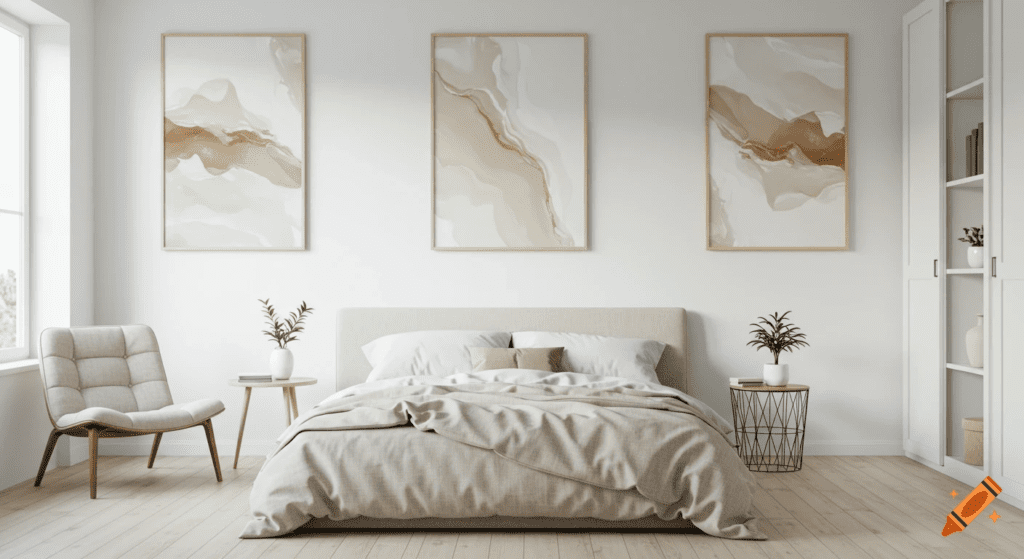
Why stick to one material when you can combine several? Mixed media art allows you to experiment and create truly unique pieces.
Benefits of Mixed Media:
- Combines textures and finishes
- Encourages creativity and innovation
- Suitable for advanced DIYers
- Results in highly personalized artwork
For example, you can combine wood, fabric, and paint to create a layered, dimensional piece that stands out.
How to Choose the Best Material for Your DIY Wall Art
With so many options available, choosing the right material can feel overwhelming. Here are a few tips to help you decide:
1. Consider Your Skill Level
Beginners should start with easy materials like canvas or paper, while experienced DIYers can explore wood, metal, or glass.
2. Match Your Interior Style
Your wall art should complement your home décor. For example:
- Rustic homes → wood and fabric
- Modern spaces → metal and glass
- Minimalist interiors → canvas and paper
3. Think About Durability
If you want long-lasting art, go for durable materials like wood or metal. For temporary décor, paper works just fine.
4. Set a Budget
DIY wall art can be as cheap or expensive as you want. Paper and recycled materials are budget-friendly, while wood and metal may cost more.
Common Mistakes to Avoid
Even with the best materials, mistakes can happen. Here are a few to watch out for:
- Using the wrong adhesive or paint for the material
- Ignoring wall weight limits
- Skipping protective finishes (like varnish or sealant)
- Choosing materials that don’t match your room’s style
Avoiding these pitfalls will help you create professional-looking DIY wall art.
Final Thoughts
When it comes to DIY wall art, there’s no single “best” material—it all depends on your personal style, skill level, and the look you want to achieve. Canvas is perfect for beginners, wood offers a rustic charm, paper is budget-friendly, and mixed media opens the door to endless creativity.
The key is to experiment and find what works best for you. With the right materials and a bit of creativity, you can transform any blank wall into a stunning focal point.
So go ahead—pick your materials, gather your tools, and start creating your own DIY wall art masterpiece today.
https://docs.google.com/spreadsheets/d/12MfgKp1DZy5RN1VuCF8he06Xk9ZG0n3SjpaEvtpePZk/edit?gid=0#gid=0