Minimalism in American interiors has matured into a refined design language where restraint, clarity, and intention define space. Within this evolution, line art wallpaper has become a sophisticated wall treatment that bridges contemporary art and architectural design. Unlike decorative wallpaper trends of the past, line art introduces visual structure without excess, allowing interiors to feel composed, calm, and enduring.
Table of Contents
Table of Contents
- The Role of Line Art in Spatial Design
- Minimal Line Art Wallpaper as a Design Foundation
- Black and White Line Art Wallpaper in Contemporary Homes
- Abstract Line Art Wallpaper as an Artistic Element
- Figurative Line Art and Emotional Expression
- Organic and Nature-Inspired Line Art Wallpaper
- Room-Specific Applications in American Homes
- Color and Material Considerations
- Scale, Proportion, and Restraint
- Line Art Wallpaper and Long-Term Design Value
- Closing Perspective
From urban lofts in New York to modern ranch homes in California and open-plan suburban residences across the United States, minimal lines art wallpaper, black and white lines art wallpaper, and abstract lines art wallpaper are increasingly integrated into professionally designed homes.
The Role of Line Art in Spatial Design
Line art relies on the power of suggestion rather than detail. A single line can imply form, movement, and emotion while leaving space for interpretation. In interior environments, this quality is especially valuable. Walls become part of the architecture rather than visual distractions.
Lines art wallpaper works because it:
- Emphasizes negative space
- Supports architectural lines and proportions
- Reduces visual noise
- Enhances spatial flow
In American homes, where open layouts dominate, this approach allows walls to contribute to the overall composition without overwhelming adjacent areas.
Minimal Line Art Wallpaper as a Design Foundation
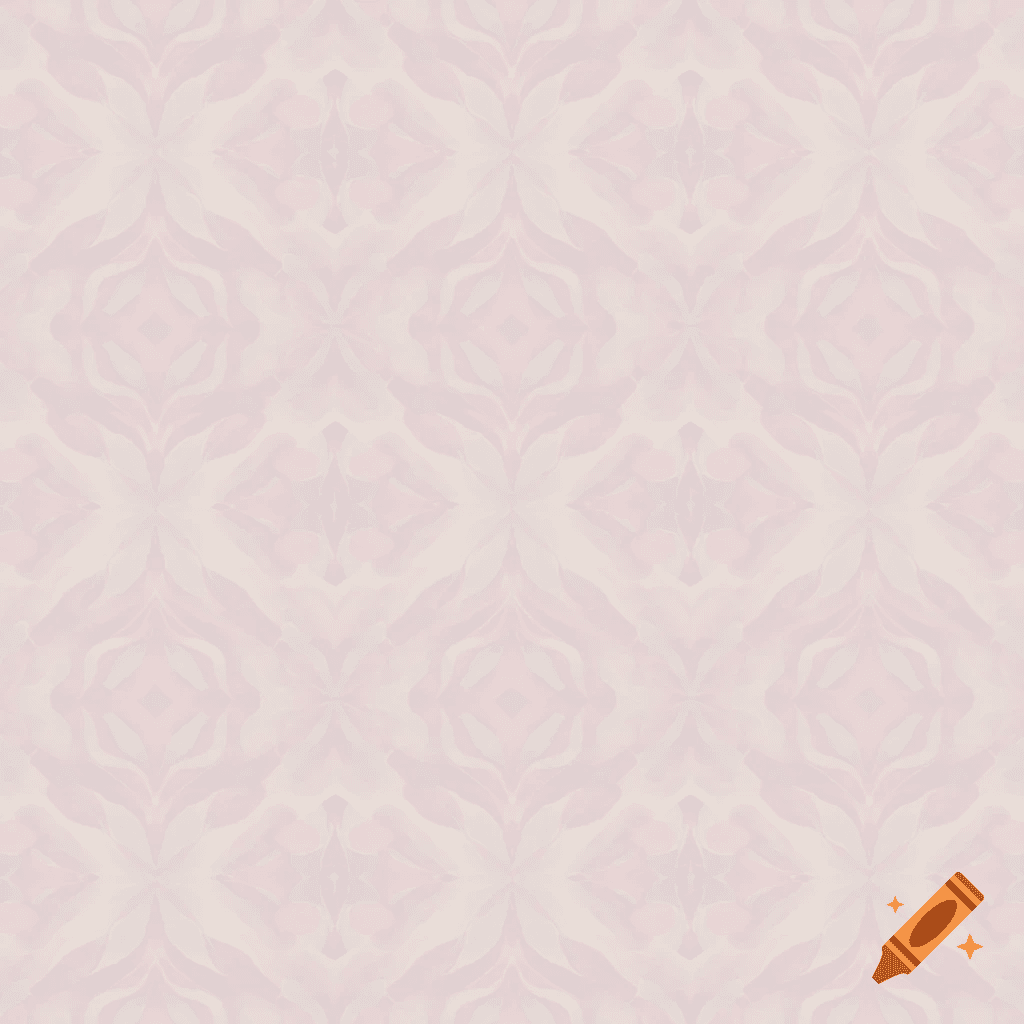
Minimal lines art wallpaper is defined by controlled simplicity. Designs typically feature fine, uninterrupted lines placed against soft neutral backgrounds. The absence of heavy patterning allows furniture, lighting, and materials to remain visually prominent.
When discussing wallpaper as part of minimalist interior treatment:
Explore how wallpaper integrates into minimalist wall ideas on Minimalist Interior Design with Wallpaper ➤
This wallpaper style functions as a foundational layer rather than a decorative focal point. In professionally designed interiors, it is often used to:
- Stabilize visually complex spaces
- Balance modern furnishings
- Create continuity across open rooms
Minimal line art wallpaper is especially effective in American homes that prioritize longevity and adaptability over trend-driven decor.

Black and White Line Art Wallpaper in Contemporary Homes
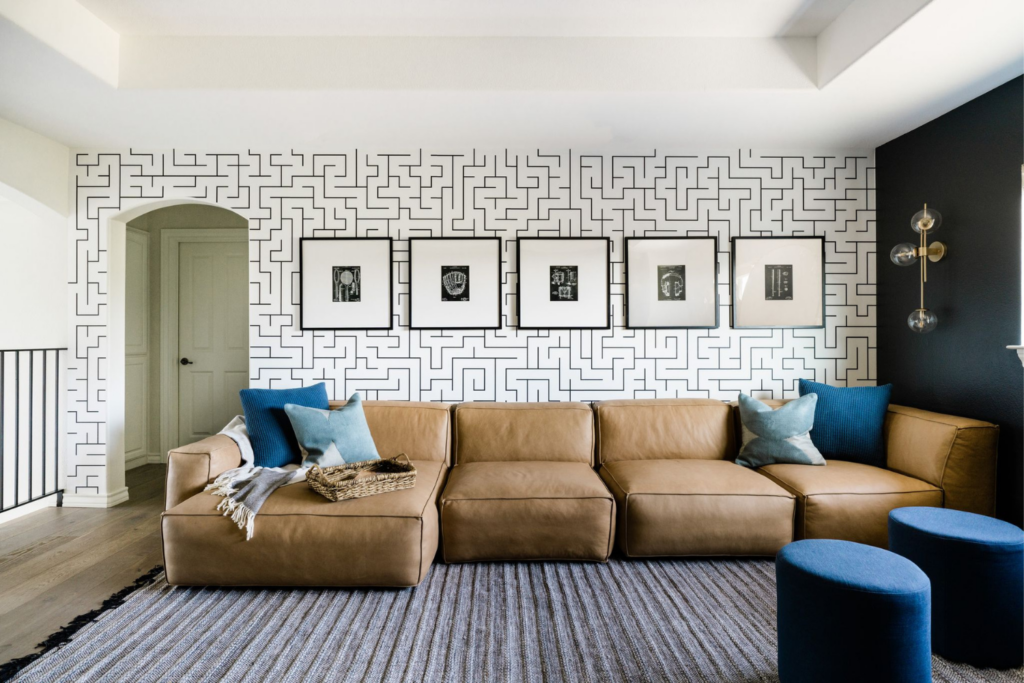
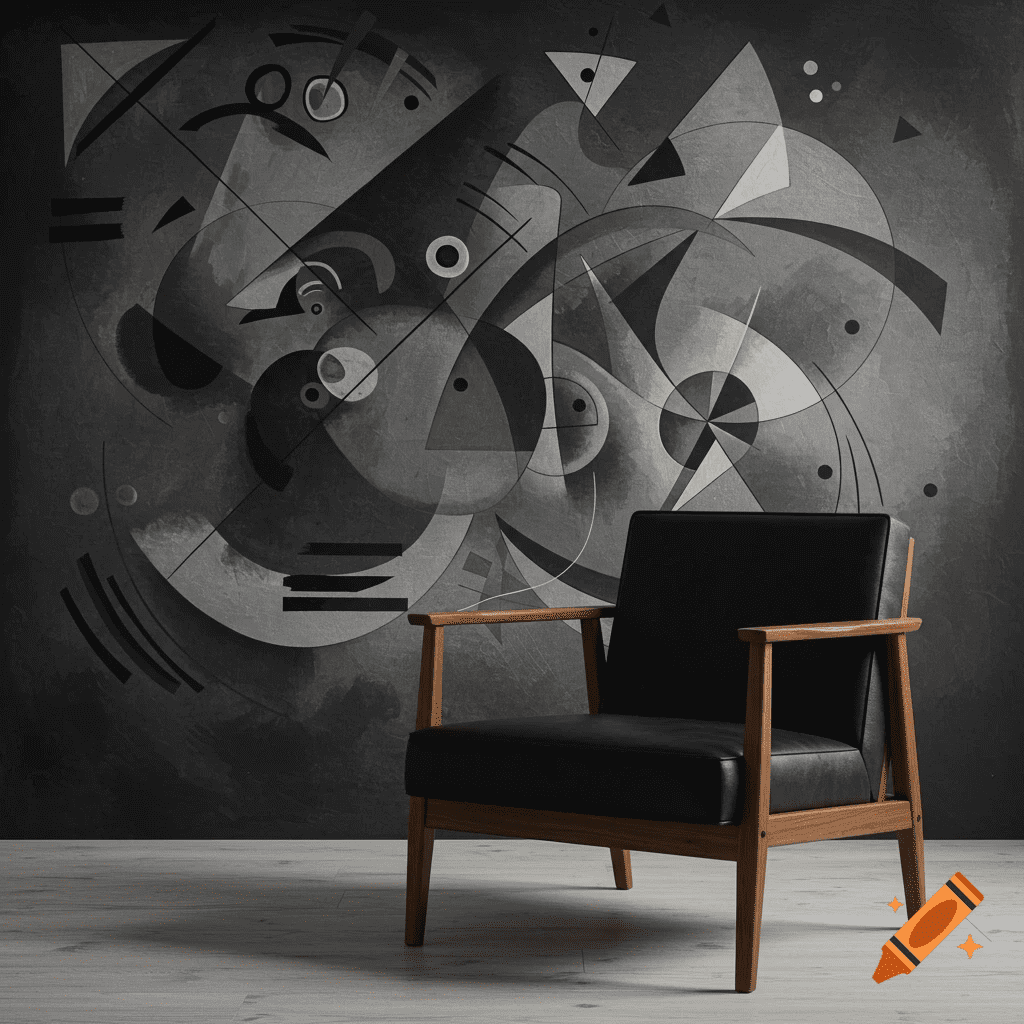
Black and white lines art wallpaper offers a striking balance between contrast and restraint. The sharpness of black lines against white or off-white backgrounds creates visual clarity while remaining timeless.
In U.S. interior design, black and white palettes are frequently used to complement:
- Hardwood flooring
- Neutral upholstery
- Matte black fixtures
- Architectural millwork
Black and white line art wallpaper is often placed on a single wall to establish rhythm and focus, particularly in living rooms, dining areas, and entry spaces. Its neutrality allows it to coexist with both warm and cool material palettes.
When comparing wallpaper choices and application in the home:
For a deeper look at wallpaper vs paint considerations, check out Wallpaper vs Paint Cost in 2026 ➤
Abstract Line Art Wallpaper as an Artistic Element
Abstract lines art wallpaper introduces movement and expression without abandoning minimal principles. Rather than representing literal forms, abstract designs rely on flow, tension, and balance.
In American interiors, abstract line art wallpaper is commonly used to:
- Create a focal wall
- Add visual depth to minimalist rooms
- Introduce art-forward sensibility without clutter
This style is especially well-suited to creative households, modern townhomes, and studio apartments where walls play an active role in shaping atmosphere.
Figurative Line Art and Emotional Expression
Figurative line art wallpaper—often depicting faces or human forms—adds a subtle emotional layer to interior spaces. The simplicity of the line keeps the design understated, while the subject matter introduces intimacy and character.
This type of line art wallpaper is most effective in:
- Bedrooms
- Personal lounges
- Dressing areas
When paired with soft textiles, warm lighting, and natural materials, figurative line art supports spaces designed for rest and reflection.
Organic and Nature-Inspired Line Art Wallpaper
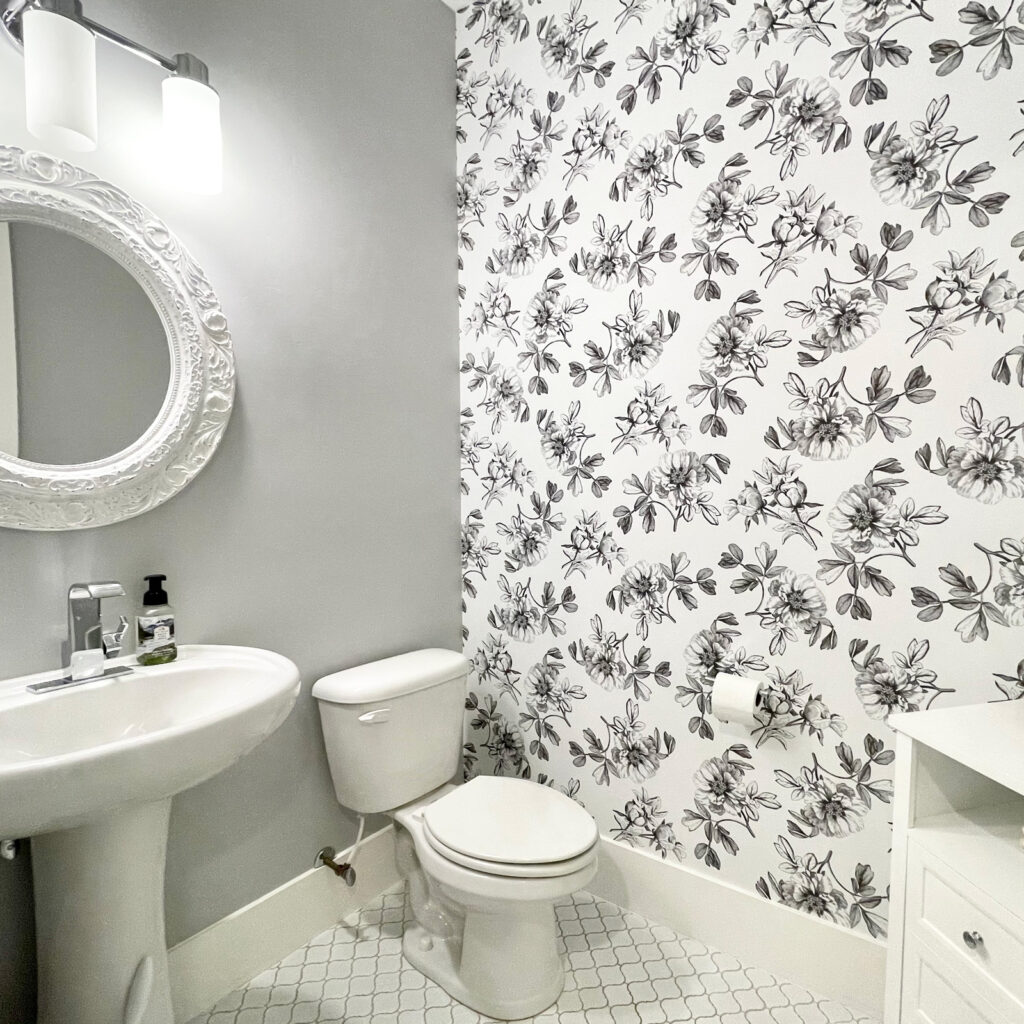
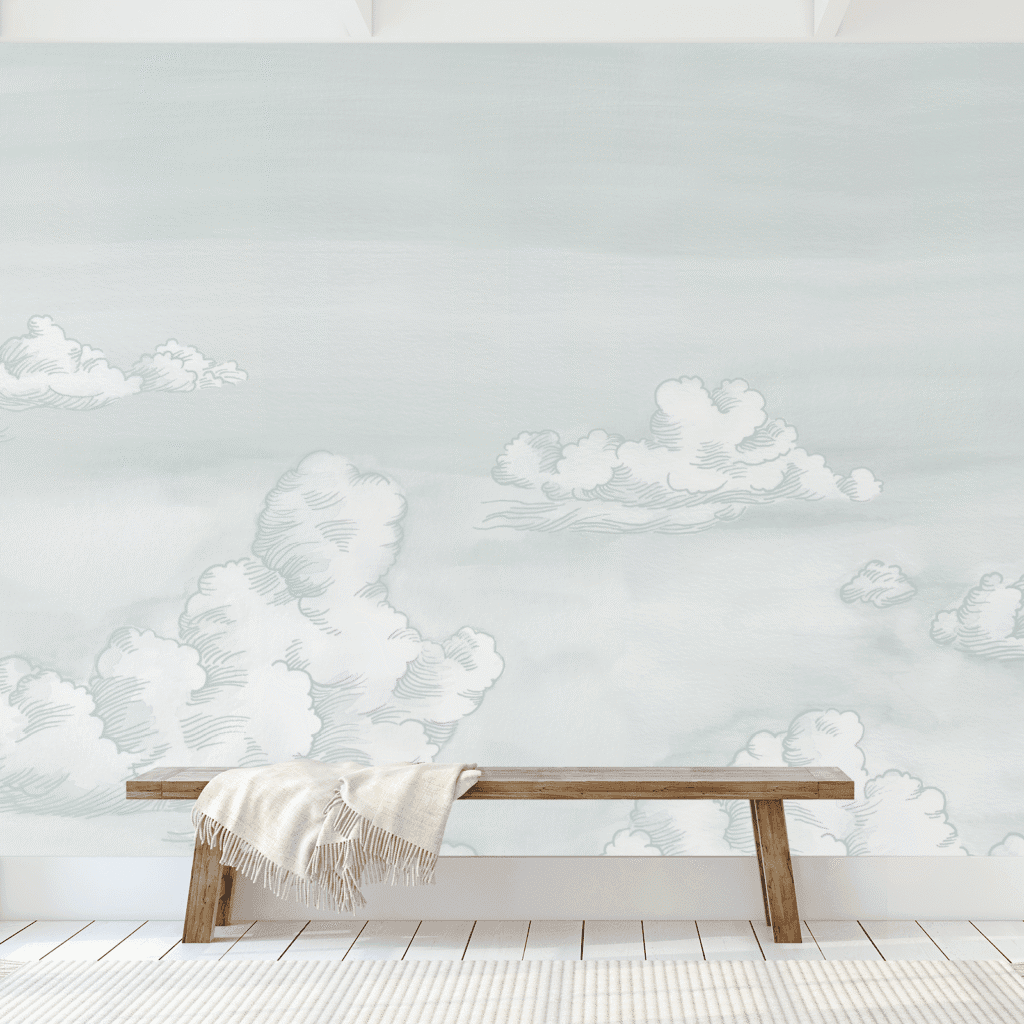
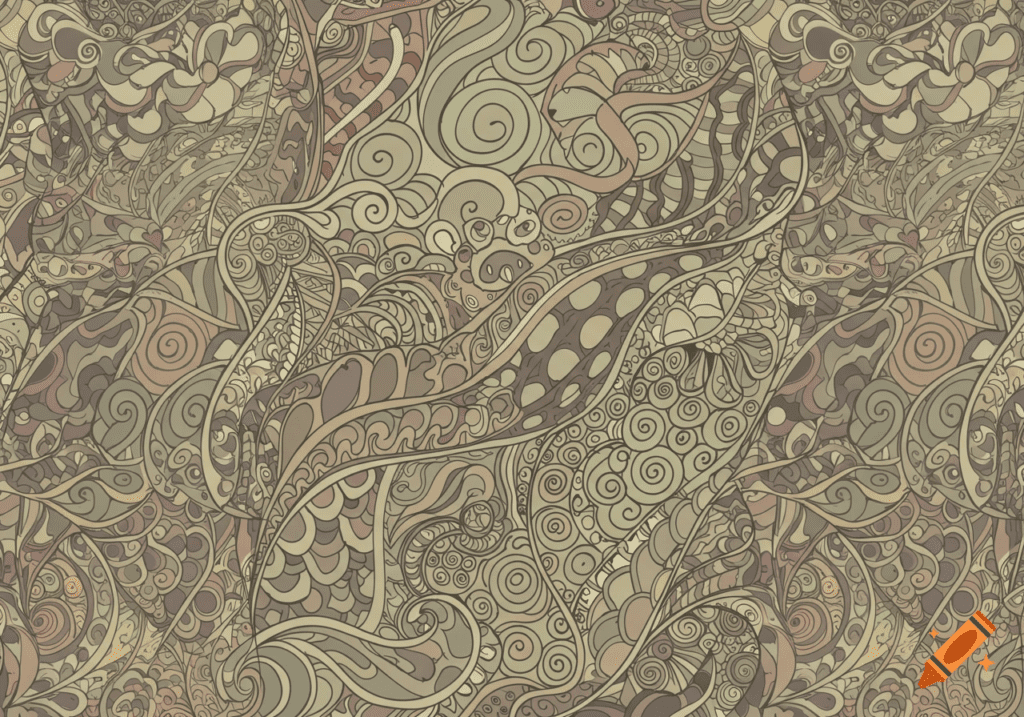
Nature-inspired line art translates botanical and organic forms into clean, modern compositions. Leaves, branches, and abstract floral outlines are rendered with minimal detail, allowing them to blend seamlessly into contemporary interiors.
In the U.S., this approach is frequently seen in:
- California and coastal homes
- Wellness-oriented interiors
- Light-filled residential spaces
Organic line art wallpaper introduces a sense of calm while maintaining architectural simplicity.
When referencing space styling and seasonal or nature-inspired décor:
Find outdoor decor inspiration with Window Box Flower Ideas ➤
Room-Specific Applications in American Homes
Living Rooms
In living rooms, line art wallpaper should complement the room’s function as a shared social space. Large-scale abstract or black and white line art wallpaper is often used on a single wall to ground seating arrangements and enhance visual balance.
Bedrooms
Minimal line art wallpaper in bedrooms supports relaxation and emotional calm. Designs with softer compositions and lighter contrast are preferred, particularly when placed behind the headboard or along one uninterrupted wall.
Home Offices
With remote work firmly established in American life, home offices benefit from wallpaper that supports focus. Abstract line art wallpaper provides visual interest without distraction, making it ideal for work environments.
Entryways and Hallways
Narrow transitional spaces common in U.S. homes benefit from vertical or elongated line compositions. Line art wallpaper in these areas creates a curated first impression while visually expanding the space.
Color and Material Considerations
The success of line art wallpaper depends heavily on its interaction with surrounding materials. Subtle backgrounds such as warm white, stone, or soft gray allow the line work to remain refined rather than stark.
Effective pairings include:
- White oak and walnut woods
- Linen and cotton upholstery
- Matte ceramics
- Brushed metal finishes
Texture plays a crucial role in adding depth where color is intentionally restrained.

Scale, Proportion, and Restraint
One of the most common design mistakes is overuse. Line art wallpaper is most impactful when applied selectively. Scale should always be considered in relation to room size and ceiling height.
Professional designers treat line art wallpaper as:
- A compositional element
- A spatial guide
- A visual pause within the interior
Restraint ensures the design remains timeless.
For additional interior makeover inspiration:
Check the Room Makeover Guide to see how subtle wall updates can elevate home spaces ➤
Line Art Wallpaper and Long-Term Design Value
Unlike heavily patterned or color-driven wall treatments, line art wallpaper maintains relevance over time. Its adaptability allows homeowners to update furniture and accessories without replacing wall finishes.
In American homes, this quality supports:
- Long-term livability
- Flexible styling
- Consistent aesthetic identity
Closing Perspective
Minimal line art wallpaper reflects a broader shift in American interior design toward intentional simplicity and artistic clarity. Whether expressed through black and white lines art wallpaper, expressive abstract lines art wallpaper, or refined minimal compositions, line art allows walls to contribute meaningfully to the design of a space without dominating it.
When thoughtfully selected and applied, line art wallpaper becomes an architectural ally—quiet, expressive, and enduring.