Dark misty forest wallpaper has emerged as a definitive interior design element in 2026. Its application spans residential projects, boutique hospitality settings, and upscale office environments. Moving beyond simple pattern décor, this style embodies controlled visual depth, emotional resonance, and refined material sophistication. This article examines the design characteristics, trend context, material selections, installation strategy, environmental integration, lighting considerations, sustainability factors, and specification best practices for professional implementation.
Table of Contents
Table of Contents
- 1. Understanding the Aesthetic: What Is Dark Misty Forest Wallpaper?
- 2. Why Dark Misty Forest Wallpaper Matters in 2026 Design
- 3. Application Strategy: Where to Use Dark Misty Forest Wallpaper
- 4. Material and Product Selection
- 5. Color Theory and Spatial Effects
- 6. Lighting: Enhancing the Wallpaper Effect
- 7. Coordination With Furniture and Materials
- 8. Installation Best Practices
- 9. Maintenance and Longevity
- 10. Sustainability and Health Considerations
- 11. Cost Considerations and Value
- 12. Case Examples and Use Cases
- 13. Specification Checklist for Professionals
- 14. Conclusion
1. Understanding the Aesthetic: What Is Dark Misty Forest Wallpaper?
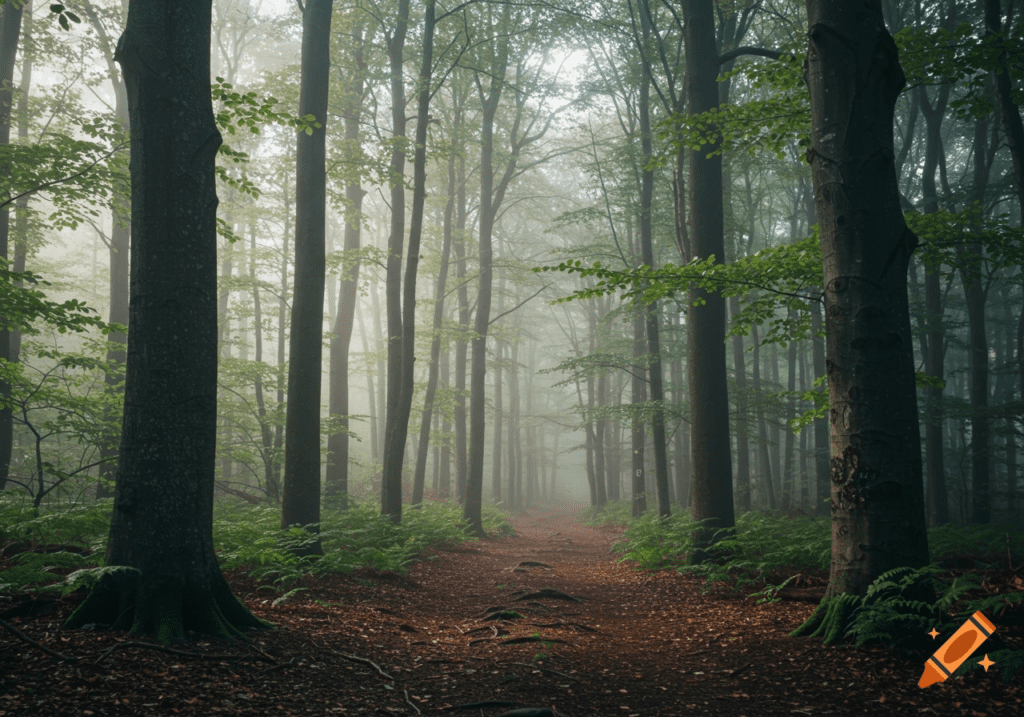
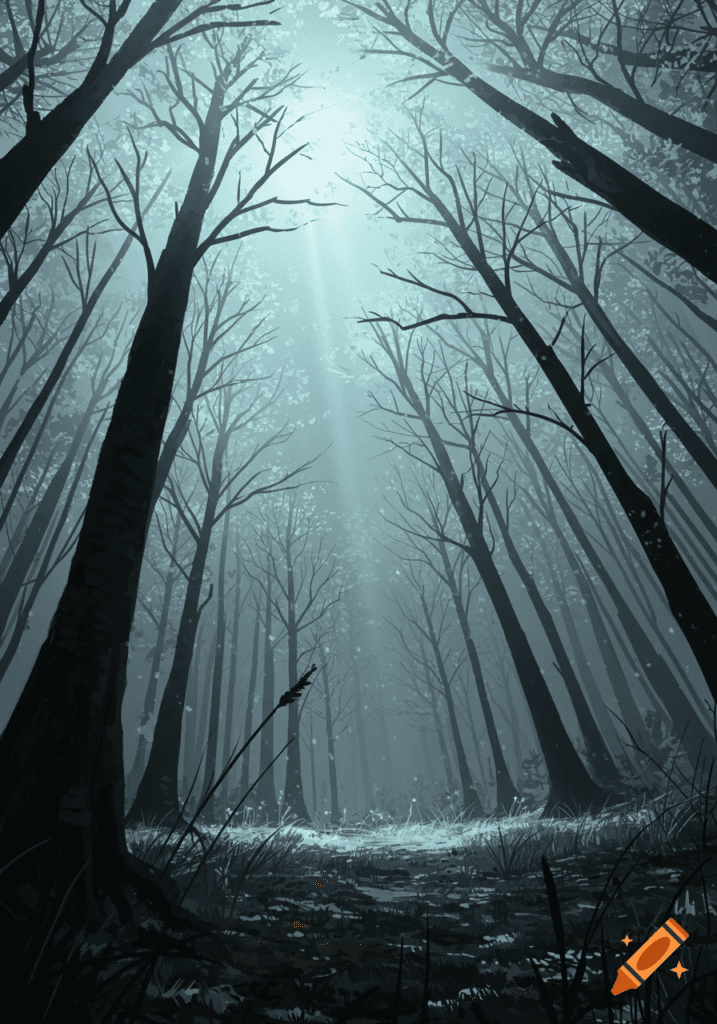
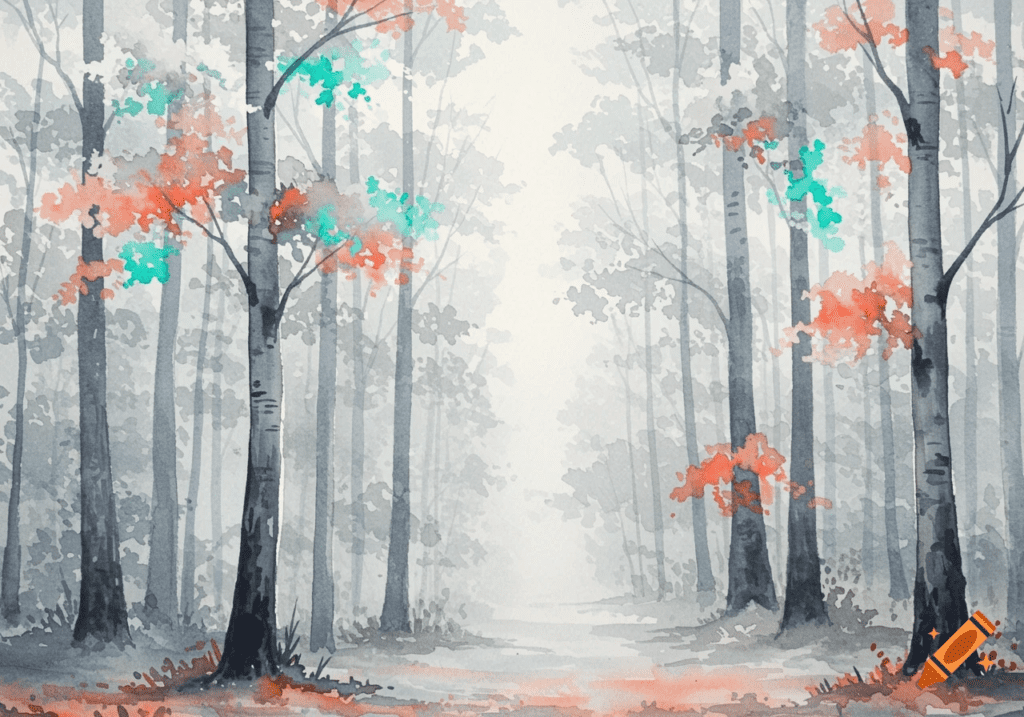
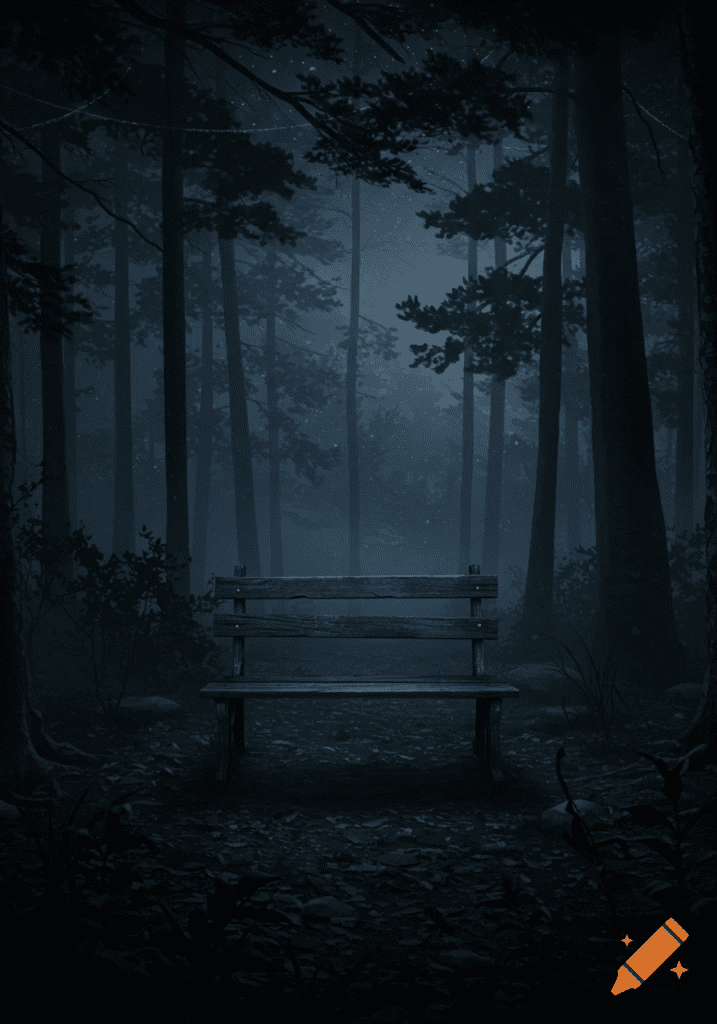
Dark misty forest wallpaper is a wall covering that depicts forested landscapes under low light and atmospheric mist or fog. The imagery emphasizes layered depth, subtle contrast, and natural texture rather than high‑contrast colors or bold graphic geometry.
Key aesthetic features include:
- Tonal range focused on deep greens, charcoal greys, muted blacks, and earth neutrals
- Visual layering through fog and atmospheric blur
- Soft transitions between foreground and background elements
- Natural texture effects that evoke wood, leaves, and underbrush
This wallpaper category does not function solely as a decorative pattern; it operates as a spatial modifier that alters perceived room scale, depth, and emotional quality.
2. Why Dark Misty Forest Wallpaper Matters in 2026 Design
2.1 Alignment With Biophilic Design
Biophilic design — the integration of natural elements in the built environment to support wellbeing — continues to influence contemporary interiors. Dark misty forest wallpaper contributes to this by:
- Evoking landscape immersion
- Introducing natural complexity without brightness distraction
- Supporting psychological comfort in enclosed spaces
Unlike literal greenery or potted plants, forest imagery provides spatial cues that suggest expansiveness and temporal calm.
For wallpaper in interior spaces, you can link to this article about using wallpaper in minimalist design:
Wallpaper in Minimalist Interiors:
👉 Minimalist Interior Design with Wallpaper: Simple Wall Ideas for Modern Homes 2026
2.2 Emotional and Psychological Impact
Research in environmental psychology indicates that nature imagery can reduce stress and improve cognitive focus. Fog and mist, specifically, invoke contemplative states and reduce visual noise, which can:
- Lower physiological tension
- Enhance privacy perception
- Encourage restfulness in personal spaces
This makes forest wallpapers valuable in areas designed for relaxation, concentration, and quiet interaction.
2.3 Trend Longevity and Market Adoption
Dark tonal design has transitioned from trend to staple in premium interiors. In 2026, this is evident across product categories — from furniture finishes to architectural coatings. Forest imagery adds narrative context without compromising modern aesthetic restraint. Its adaptability to minimalist, industrial, and transitional interiors supports broad market adoption.

3. Application Strategy: Where to Use Dark Misty Forest Wallpaper
Applying dark misty forest wallpaper requires intentional placement to optimize visual effect without overpowering the space.
3.1 Feature Walls
Feature walls remain the primary use case for this wallpaper style. Recommended locations include:
- Living room focal walls (e.g., behind seating areas)
- Bedroom headboard walls
- Dining room statement walls
- Home office or study backdrop
In each application, the wallpaper should serve as a visual anchor rather than a peripheral element.
3.2 Full‑Room Wraps: When and How
While feature walls are most common, full‑room application can work in:
- Media rooms
- Private lounges
- Boutique hospitality suites
When wrapping a room entirely, balance is critical:
- Use low‑reflective finishes
- Maintain controlled lighting
- Avoid competing wall decor
3.3 Entry and Circulation Zones
Hallways, foyers, and transitional spaces benefit from subtle narrative interest. Instead of uniform color fields, forest imagery can:
- Create directional cues
- Adjust perceived depth
- Transition between programmatic zones
4. Material and Product Selection
4.1 Substrate Types
substrates influence installation ease, durability, and finish quality. Consider:
- Non‑woven wallpaper: dimensionally stable, easy to install/remove
- Vinyl‑coated paper: durable, washable, suitable for higher‑traffic areas
- Textured paper or fabric‑backed: enhanced tactile presence, upscale finish
Each substrate carries performance implications relative to humidity, wear, and cleaning protocols.
To discuss wallpaper vs. paint — useful when explaining why dark misty forest wallpaper is a strong choice for walls:
👉 Wallpaper vs Paint Cost in 2026: What Designers Choose for Accent Wall Design

4.2 Finish Options
Finish impacts both visual perception and light interaction:
- Matte/low sheen: preferred for minimizing glare, preserving atmospheric depth
- Silk or satin sheen: can be used strategically where soft light reflection is desired, but requires careful control to prevent hotspots
- Textured finishes: introduce tactile complexity but may affect print clarity
4.3 Print Resolution and Image Quality
Professional standards demand high resolution (minimum 300 DPI at full scale) to avoid pixelation or detail loss. Pay attention to:
- Source image fidelity
- Print profiling
- Color calibration for deep tones
Low quality prints can flatten the forest imagery, undermining depth perception.
5. Color Theory and Spatial Effects
5.1 Toning and Balance
Dark misty forest wallpaper functions within a carefully calibrated color scheme. Best practices include:
- Balancing dark walls with neutral or light furnishings
- Using accent colors that derive from the forest palette (e.g., muted greens, warm browns)
- Avoiding overly bright or saturated oppositional hues
5.2 Psychological Color Effects
Dark palettes can influence how space feels:
- Cozy and intimate in smaller rooms
- Expansive and atmospheric when combined with controlled lighting and reflection management
Understanding these effects helps align wallpaper selection with user experience goals.
For general interior inspiration and related décor ideas:
👉 Home Décor Guest Post: Share Your Style and Inspire Homes Everywhere
6. Lighting: Enhancing the Wallpaper Effect
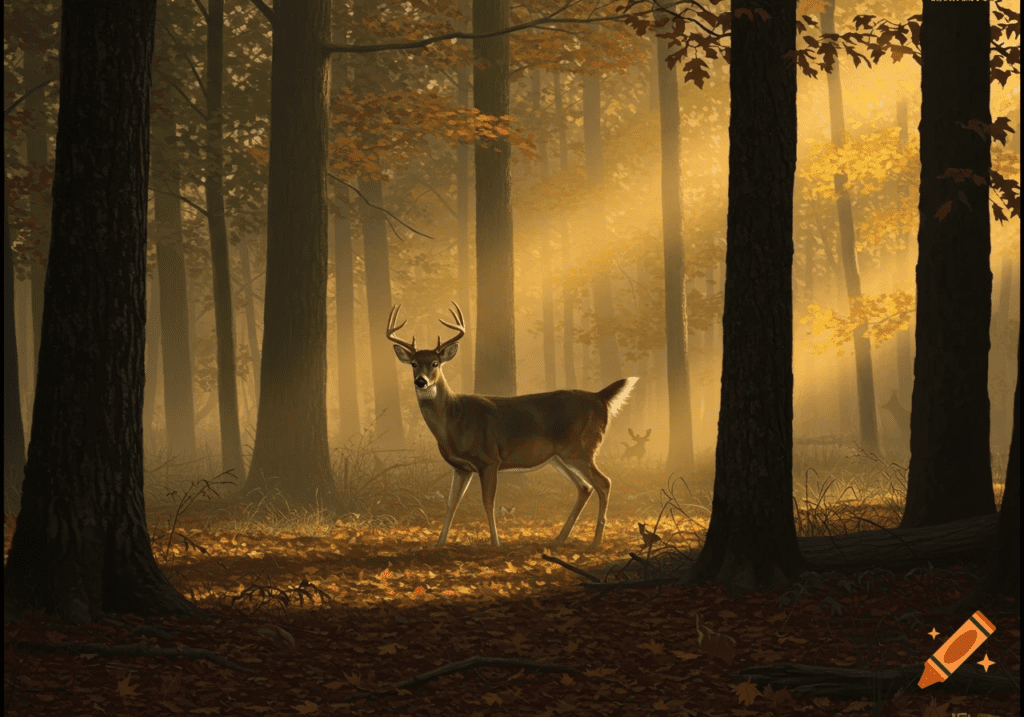
Lighting has a profound impact on how misty forest wallpaper is perceived.
6.1 Ambient Lighting
Soft, diffuse ambient lighting prevents harsh contrasts and supports the misty visual theme. Consider:
- Recessed LED lighting with warm CCT (2700K‑3000K)
- Cove lighting to wash walls gently
- Dimmable fixtures for customizable atmosphere
6.2 Accent Lighting
Use accent lighting to:
- Highlight texture
- Add dimensional emphasis
- Create subtle gradients across the wall
Track lighting, wall washers, and picture lights (when appropriate) offer precision control.
6.3 Avoiding Glare and Hotspots
Direct, high‑intensity lighting can disrupt the wallpaper’s atmospheric effect. To avoid glare:
- Select matte finishes
- Use diffusers
- Position fixtures to reduce direct reflection
7. Coordination With Furniture and Materials
7.1 Furniture Selection
Furniture should complement the wallpaper’s tone without competing for attention. Recommended selections include:
- Neutral, solid upholstery
- Natural wood finishes
- Matte or low‑profile metal accents
Avoid overly bright or patterned fabrics that conflict with forest imagery.
7.2 Textiles and Soft Goods
Textiles play a supporting role:
- Linen and wool in muted tones enhance tactile warmth
- Sheer curtains control light without overwhelming
- Layered rugs can soften floors while reinforcing natural tones
7.3 Hard Surface Integration
Pair the wallpaper with:
- Natural stone or engineered quartz in neutral or muted tones
- Hardwood floors with warm undertones
- Metal finishes in brushed or matte black, bronze, or aged brass
Material cohesion ensures a unified design expression.
8. Installation Best Practices
8.1 Site Preparation
Proper site preparation is critical:
- Level and smooth surfaces
- Address moisture and thermal conditions
- Confirm substrate suitability
Uneven or damp walls compromise adhesion and finish quality.
8.2 Professional Installation
Experienced installers ensure:
- Seam matching
- Pattern alignment
- Proper trimming and corner finishing
Installation errors are highly visible with detailed imagery wallpapers and difficult to correct post‑installation.
8.3 Mock‑ups and Dry Runs
Before full installation:
- Mock up critical corners or focal walls
- Verify lighting conditions
- Confirm user perception from multiple viewing distances
These steps help resolve adjustments early.
To support professional writing or deeper design content connections (optional if you refer to guest post guidelines or expertise building):
👉 Guest Post for Interior Design: Share Your Passion and Inspire Others
9. Maintenance and Longevity
9.1 Cleaning Protocols
Dark wallpapers show less visible dust but still require:
- Regular dusting
- Spot cleaning with approved mild solutions
- Avoidance of abrasive tools
Check manufacturer guidelines for specific cleaning agents.
9.2 Longevity Factors
Wallpaper lifespan is impacted by:
- Exposure to sunlight (UV fading)
- Traffic patterns
- Indoor air quality
Quality materials and finishes extend life and preserve appearance.

10. Sustainability and Health Considerations
10.1 Material Certifications
For environmentally certified design, prioritize products with:
- Low‑VOC emissions
- FSC‑certified or recycled content substrates
- Water‑based ink technologies
These criteria support IAQ (indoor air quality) and sustainable practice goals.
10.2 Lifecycle and Disposal
Consider:
- Recyclability
- Reuse potential
- Minimal chemical off‑gassing
Dark misty forest wallpaper Sustainable wallpaper contributes to overall project environmental targets.
11. Cost Considerations and Value
11.1 Budget Tiers
Cost ranges vary based on:
- Substrate quality
- Print resolution
- Custom artwork or licensing
Professionally specified wallpapers can be entry‑level to premium; align selection with project value objectives.
11.2 Value Proposition
Dark misty forest wallpaper delivers:
- Visual depth and narrative impact
- Long‑term aesthetic relevance
- Compatibility with multiple design frameworks
These factors support return on investment in high‑end residential and commercial projects.
12. Case Examples and Use Cases
Residential Project: Living Room Feature Wall
- Matte non‑woven wallpaper installed behind seating area
- Warm ambient lighting with no direct glare
- Neutral furnishings with wood accents
Outcome: balanced focal area enhancing perceived room depth.
Boutique Guest Suite
- Full‑wall application elevates sense of intimacy
- Soft recessed lighting enhances mist layers
- Neutral interior finishes support spatial calm
Outcome: elevated guest experience with subtle spatial narrative.
13. Specification Checklist for Professionals
- Design Intent Document: define mood, spatial goals, and visual hierarchy
- Substrate Selection: non‑woven or vinyl‑coated specified for performance
- Finish Type: matte or low sheen recommended
- Lighting Plan: integrate ambient and accent controls
- Installation Protocols: experienced installers with mock‑up validation
- Maintenance Plan: cleaning and care instructions documented
14. Conclusion
Dark misty forest wallpaper in 2026 is not a fleeting trend but a strategic design choice that aligns with biophilic principles, emotional quality goals, and contemporary aesthetic restraint. When specified and executed correctly, it enhances spatial perception, supports wellbeing, and elevates interior environments across residential and commercial applications. Its adaptability, depth, and expressive potential make it a valuable addition to any professional design toolkit.