Wedding interior design has evolved far beyond surface decoration. In contemporary weddings, groom and bridal rooms are curated as experiential spaces that combine aesthetics, functionality, emotional comfort, and photographic excellence. These rooms are no longer secondary spaces—they are an integral part of the wedding narrative.
Table of Contents
Table of Contents
This advanced guide explores high-level wedding interior design strategies for groom and bridal rooms, focusing on spatial planning, material selection, lighting science, colour psychology, luxury detailing, cultural adaptability, and future trends. Explore modern design concepts like those shared in Urban Loft Wedding Interior Styling Ideas for Receptions 2026 for inspiration on creating cohesive wedding spaces.
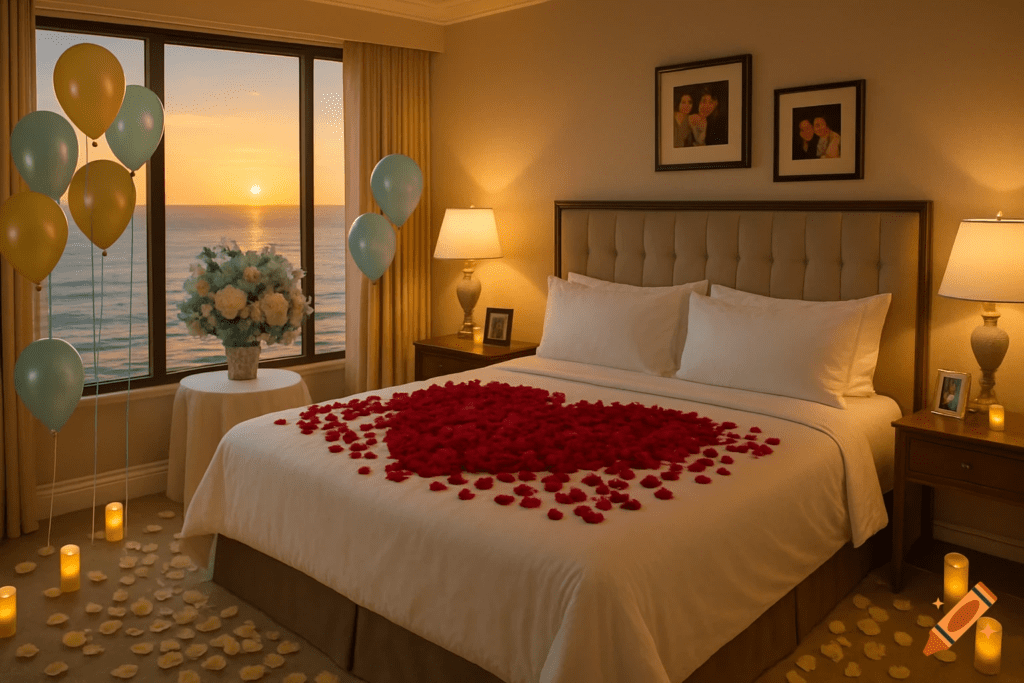
1. The Strategic Role of Groom & Bridal Rooms in Wedding Interior Design
From a professional interior design perspective, groom and bridal rooms serve four critical functions:
- Preparation & functionality
- Emotional grounding
- Visual storytelling
- Branding of the wedding experience
Well-designed wedding suites contribute to:
- Smooth workflow for stylists and photographers
- Reduced stress levels for the couple
- High-end visual consistency across wedding media
- Increased perceived value of the wedding venue
Luxury wedding interior design treats these rooms as private sanctuaries, not backstage areas.
2. Spatial Planning & Zoning in Wedding Interior Design
Advanced Space Planning Principles
Professional wedding interior design begins with intelligent zoning. For broader wedding planning ideas, check out Best Wedding Blogs That Allow Dofollow Backlinks (2026) for curated wedding insights from top blogs
Key functional zones include:
- Grooming and makeup zone
- Dressing and wardrobe zone
- Seating and relaxation zone
- Photography backdrop zone
- Storage and accessory zone
Each zone must flow seamlessly without visual or physical obstruction.
Circulation & Movement
- Clear circulation paths reduce congestion
- Makeup artists require 360° access around vanity units
- Photographers need unobstructed camera angles
- Furniture placement should support both movement and composition
Advanced layouts prioritize ergonomics and efficiency alongside aesthetics.
3. Color Psychology in Wedding Interior Design
Color selection is not purely decorative—it directly affects mood, lighting reflection, and photographic outcome.
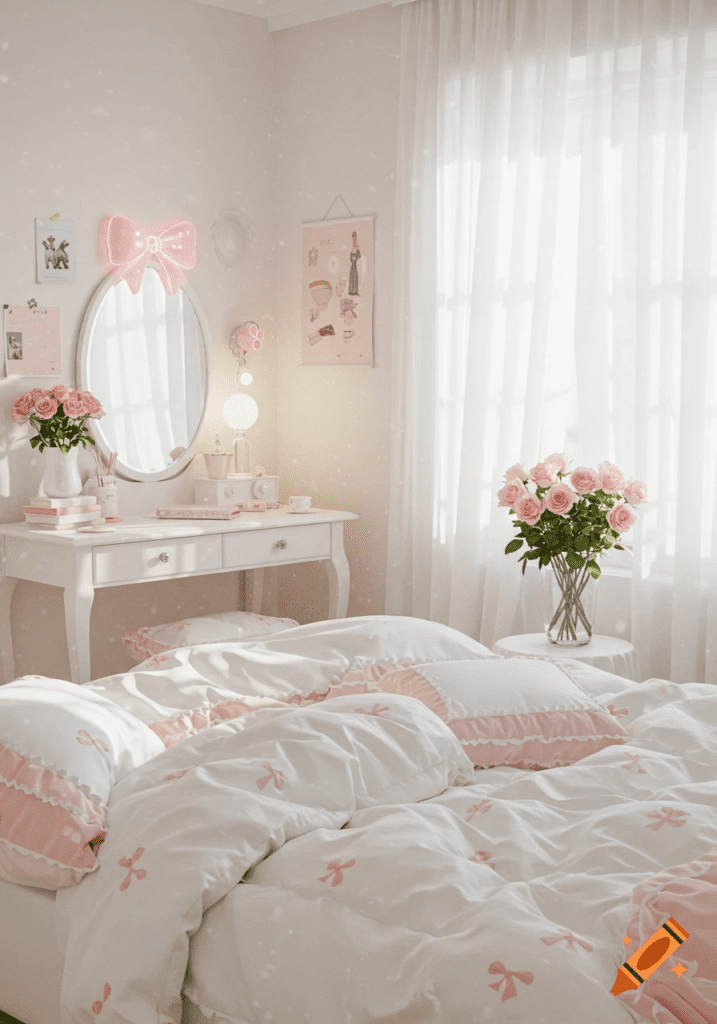
Bridal Room Color Psychology
Recommended palettes:
- Ivory, soft white, and warm beige → calm and timeless
- Blush, champagne, and muted pastels → romantic and elegant
- Pearl and gold accents → luxury and celebration
Avoid high-contrast or overly saturated colors that can distort skin tones in photography.
Groom Room Color Psychology
Recommended palettes:
- Charcoal gray, navy, forest green → confidence and composure
- Warm browns and wood tones → stability and masculinity
- Matte black accents → modern luxury
Balanced contrast prevents the space from feeling heavy or closed.
4. Material Selection for Luxury Wedding Interior Design
Materiality defines the sensory experience of groom and bridal rooms.
High-End Materials for Bridal Rooms
- Upholstered velvet or linen seating
- Marble or quartz vanity surfaces
- Brass or gold-finished hardware
- Sheer textiles for softness and light diffusion
Premium Materials for Groom Rooms
- Leather or textured fabric seating
- Natural wood or wood veneer panels
- Stone or concrete-effect surfaces
- Matte metal accents
Material layering adds depth and visual richness to wedding interiors.
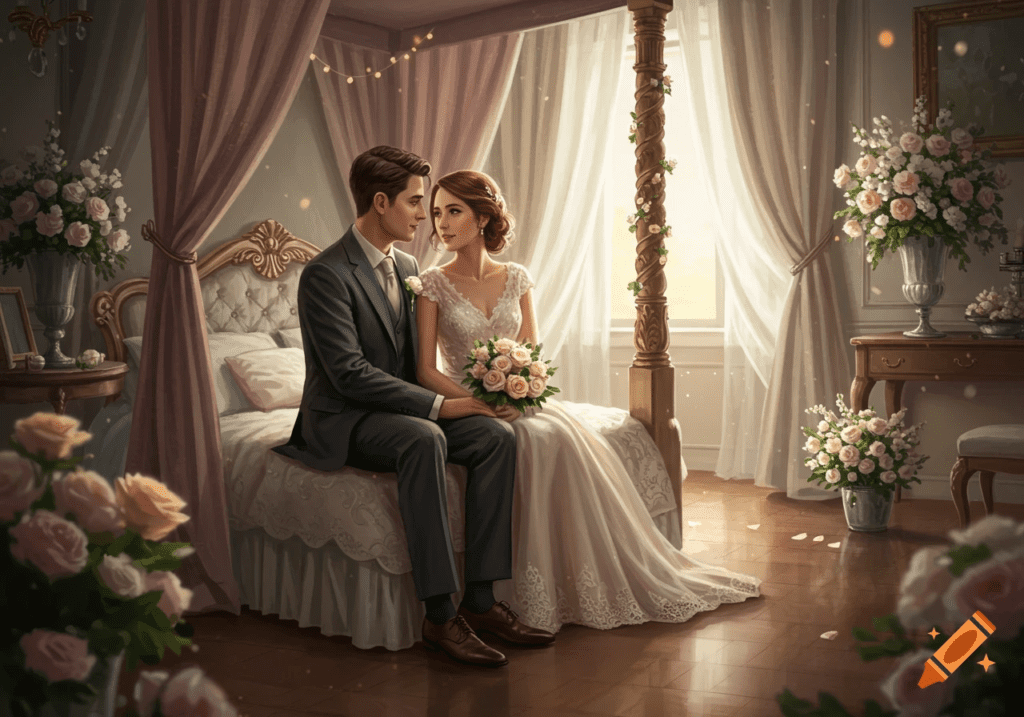
5. Advanced Lighting Design for Wedding Suites
Lighting is the most technically critical element in wedding interior design.
Layered Lighting Strategy
A professional lighting plan includes:
- Ambient Lighting
- Recessed ceiling lights
- Cove lighting
- Task Lighting
- LED vanity mirrors
- Adjustable makeup lights
- Accent Lighting
- Pendant lights
- Wall sconces
- Decorative chandeliers
Lighting Color Temperature
- Ideal range: 3000K–4000K
- Ensures natural skin tones
- Enhances makeup accuracy
- Optimizes photography and video output
Smart lighting systems allow brightness and temperature adjustments throughout the day.
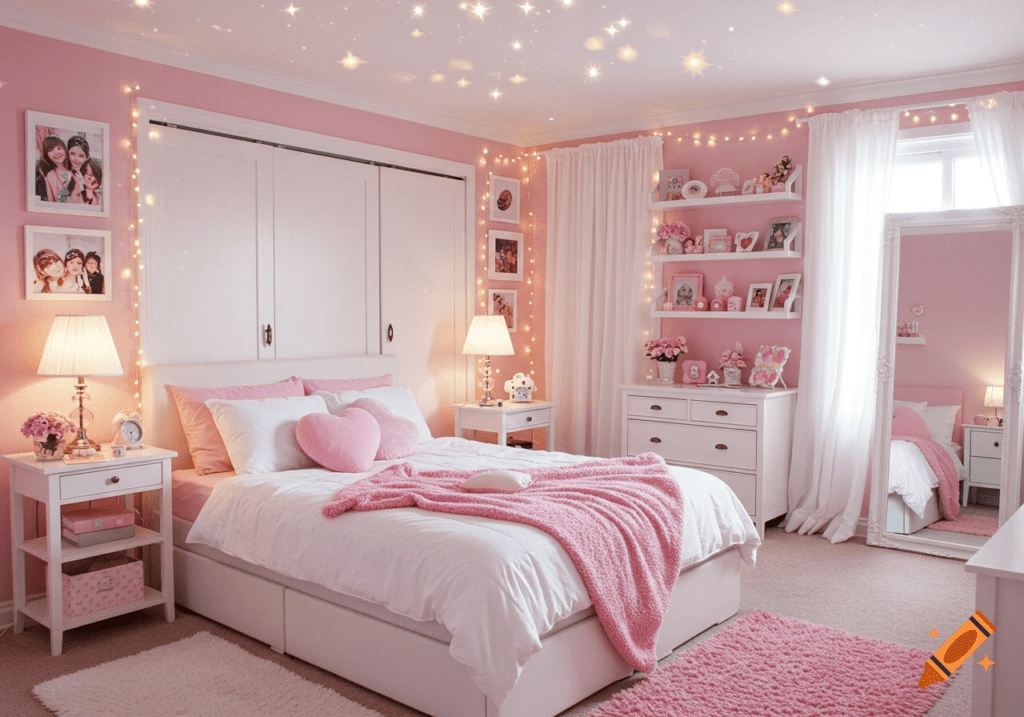
6. Furniture Design & Customization
In advanced wedding interior design, furniture is often custom-selected or custom-built.
Bridal Room Furniture Considerations
- Ergonomic vanity seating
- Low-profile sofas for photography
- Curved furniture for softer compositions
- Hidden storage for clutter control
Groom Room Furniture Considerations
- Structured, clean-lined sofas
- Statement lounge chairs
- Modular furniture for flexibility
- Integrated storage units
Furniture proportions must suit room scale and camera framing.
7. Decorative Styling & Visual Hierarchy
Decorative elements must support, not dominate, the interior. Floral motifs and wall treatments can enhance intimate settings—see Romantic Floral Wallpaper: Transform Your Wedding and Home Décor with Timeless Elegance 2026 for creative décor ideas.
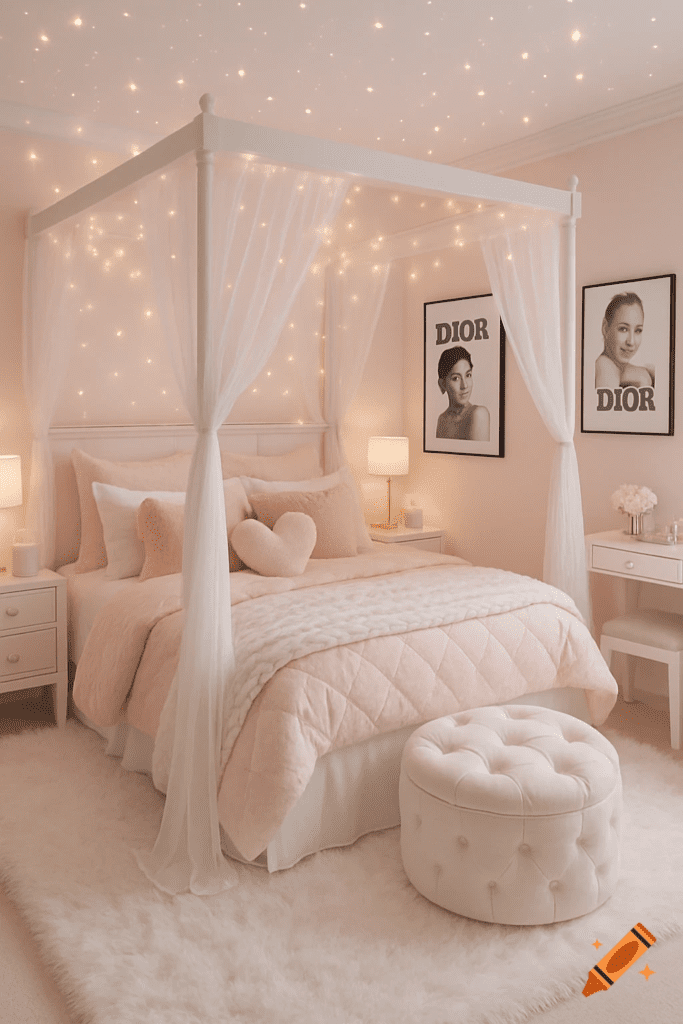
Advanced Styling Techniques
- Use focal walls sparingly
- Create intentional negative space
- Balance symmetry with organic accents
- Limit décor to curated, meaningful pieces
Recommended Décor Elements
- Floral installations (fresh or premium artificial)
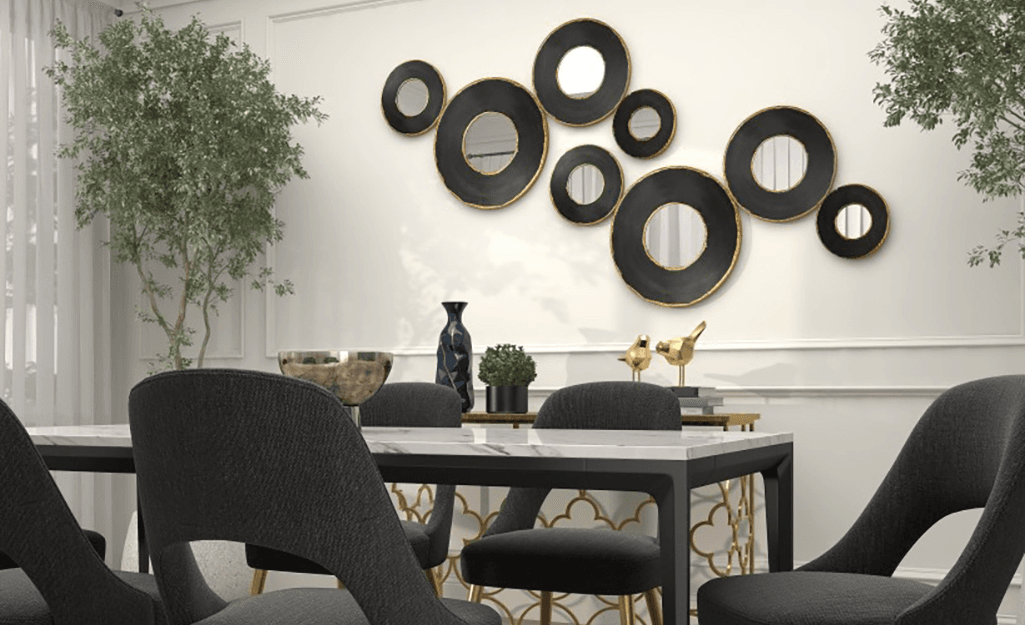
- Sculptural mirrors
- Minimal artwork
- Personalized wedding branding
Visual hierarchy ensures elegance and clarity.
8. Wedding Interior Design for Photography & Media Production
Professional wedding interior design is inherently media-conscious.
Photography-Optimized Design Principles
- Neutral, matte finishes to avoid glare
- Layered depth for cinematic shots
- Clean background walls
- Consistent color palettes across rooms
Rooms should photograph beautifully from multiple angles, not just one feature wall.
9. Cultural & Regional Adaptability in Wedding Interior Design
Advanced wedding interiors respect cultural traditions while maintaining modern elegance.
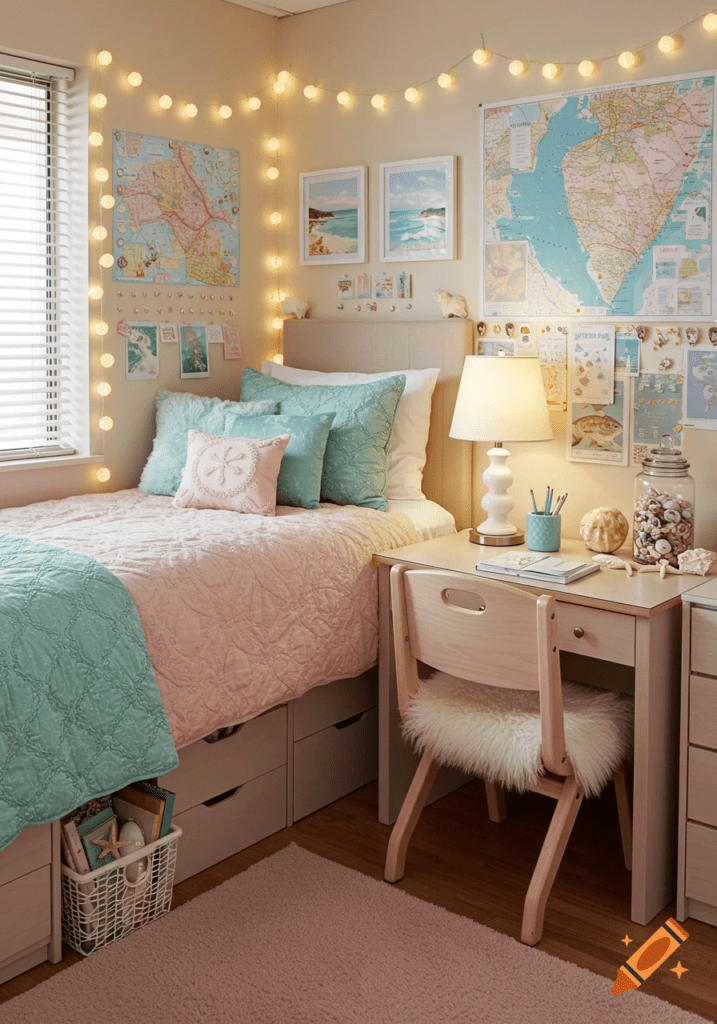
Design Adaptation Examples
- Traditional weddings → ornate textiles, symbolic décor
- Modern weddings → minimalist luxury
- Fusion weddings → contemporary layouts with cultural accents
Designers must balance symbolism, function, and aesthetics seamlessly.
10. Sustainability in Modern Wedding Interior Design
Sustainability is becoming a defining factor in luxury weddings.
Sustainable Design Practices
- Reusable décor elements
- Rental furniture systems
- Energy-efficient lighting
- Natural and recycled materials
Eco-conscious design enhances brand value without sacrificing luxury.
11. Advanced Small-Space Wedding Interior Design Solutions
Compact groom and bridal rooms require precision design.
Professional Space Optimization Techniques
- Vertical storage systems
- Wall-mounted vanities
- Mirrors to enhance depth
- Foldable or modular furniture
Smart planning transforms limited square footage into premium spaces.
12. Future Trends in Wedding Interior Design
Forward-looking wedding interior design embraces innovation.
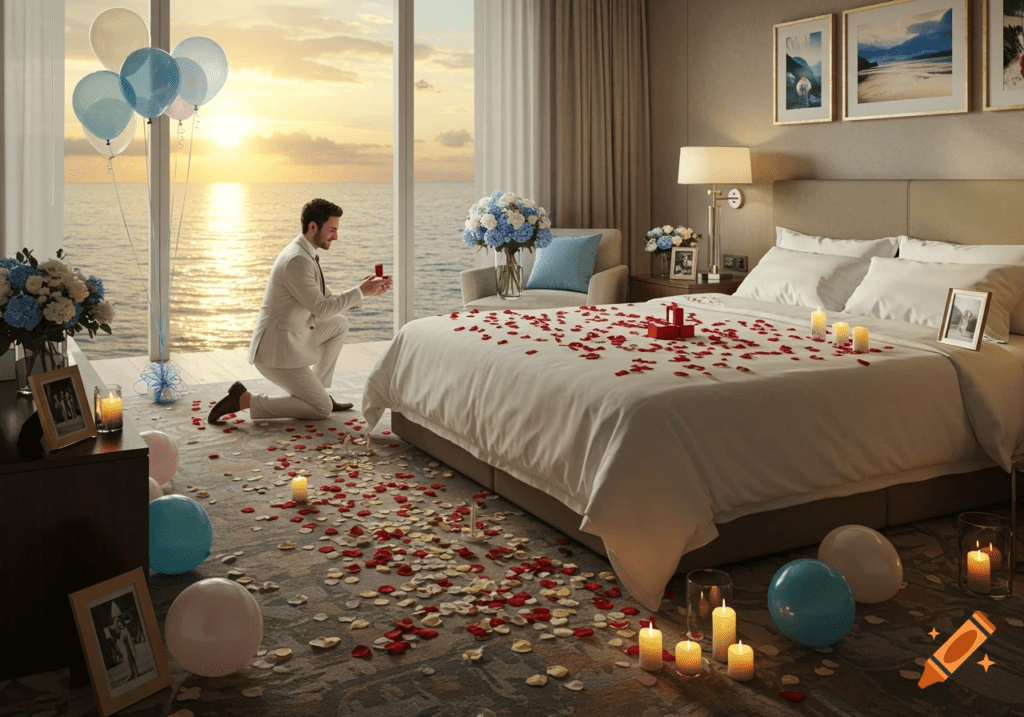
Emerging Trends
- Smart mirrors with lighting control
- Hotel-inspired luxury suites
- Neutral monochromatic palettes
- Minimalist floral installations
- Experience-driven interior concepts
These trends emphasize quality, comfort, and timeless appeal.
Final Conclusion
Advanced wedding interior design transforms groom and bridal rooms into purposeful, luxurious, and emotionally supportive spaces. These rooms are not merely functional—they are experiential environments that influence comfort, efficiency, and visual storytelling.
By applying professional planning, lighting science, material strategy, and design psychology, wedding interior design can elevate groom and bridal rooms into refined, timeless spaces worthy of one of life’s most important moments.