Keeping your baby’s play mats clean is essential for a safe and healthy kids space. Baby play mats protect little ones from bumps, messes, and germs, but over time they collect dust, crumbs, and spills. Regular cleaning not only keeps them hygienic but also prolongs the life of your foam play mats. Whether you have small indoor mats, large interlocking sets, or themed foam designs, this guide covers practical, parent-tested strategies to keep playtime safe and fun.
1. Daily Wipe Down for Light Messes
Daily maintenance is simple and keeps your baby’s play mats germ-free. Use a damp microfiber cloth with warm water to wipe away crumbs, spills, or fingerprints.
Features / Options
- Mild, non-toxic soap for stubborn spots
- Quick-dry microfiber cloth
- Spot-clean specific areas instead of soaking
This prevents buildup, keeps foam surfaces soft, and maintains a safe play space for crawling or tummy-time activities. A few minutes a day saves time on deep cleaning later.
2. Weekly Deep Clean
For heavier dirt or sticky residues, a weekly clean ensures hygiene. Use a mixture of warm water and gentle baby-safe detergent. Wipe each section of the foam play mat thoroughly.
Features / Options
- Mild soap or baby-safe detergent
- Soft sponge or cloth to prevent foam damage
- Optional spray bottle for easy application
This routine works well for homes in the U.S. where babies spend hours on play mats, keeping surfaces fresh and safe for daily use.
3. Removing Stains and Spills
Spills happen, especially snack time. Address them immediately for best results. Use a damp cloth with a tiny bit of soap, then rinse with plain water. Avoid harsh chemicals that can damage the foam.
Features / Options
- Non-toxic stain remover (optional)
- Soft brush for textured mats
- Air dry completely before next use
Quick attention keeps foam mats looking new and ensures a safe environment for crawling babies and toddlers.
4. Sanitizing Foam Play Mats
Periodically sanitizing foam play mats helps reduce germs, especially in shared play areas or during cold/flu season. Use a baby-safe disinfectant spray that doesn’t leave a residue.
Features / Options
- Baby-safe disinfectant or vinegar-water solution
- Spray lightly, wipe with clean cloth
- Avoid soaking foam to prevent damage
Sanitizing keeps your play mats safe, odor-free, and ready for all kinds of play.
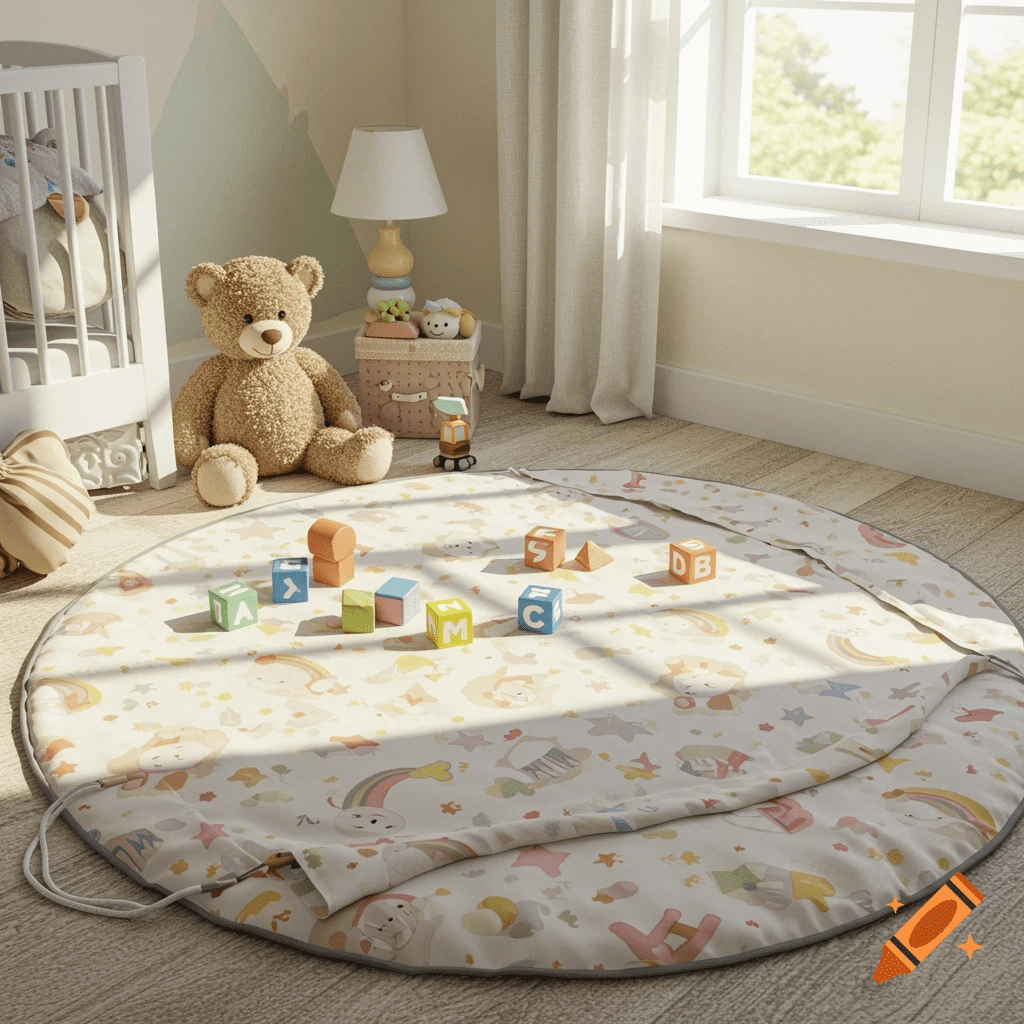
5. Machine-Washable Covers or Mats
Some baby play mats come with removable covers. Machine-wash them on a gentle cycle for a deep clean without risking foam damage.
Features / Options
- Check manufacturer instructions first
- Use mild detergent
- Air-dry completely before reassembly
This is perfect for busy U.S. parents who want convenience without sacrificing hygiene.

6. Using Vinegar for a Natural Clean
Vinegar is an inexpensive, natural disinfectant safe for foam play mats. Mix equal parts water and white vinegar in a spray bottle and lightly mist the mat. Wipe with a clean cloth afterward.
Features / Options
- Non-toxic and safe for babies
- Helps remove odors naturally
- Avoid soaking foam to prevent warping
This method works for families who prefer chemical-free cleaning. It’s especially useful for mats used during mealtime or crawling play.
7. Baking Soda for Odor Removal
If your baby play mats start to smell, baking soda can help neutralize odors. Sprinkle lightly over the foam surface, let it sit for 10–15 minutes, then vacuum or wipe clean.
Features / Options
- Gentle on foam
- Safe for baby skin
- Use as a weekly refresh
This method keeps your play mats fresh without harsh chemicals, making daily play safer and more enjoyable.
8. Handwashing Interlocking Foam Mats
Interlocking play mats often need more thorough care. Remove sections, wash with warm soapy water, and rinse individually. Avoid prolonged soaking.
Features / Options
- Use soft sponge or cloth
- Ensure mats are fully air-dried
- Reassemble once dry
Handwashing ensures dirt and crumbs don’t build up between interlocking pieces, keeping mats hygienic for crawling and tummy time.
9. Drying and Preventing Mold
Proper drying is critical for foam mats. Never leave wet mats stacked, as moisture can lead to mold. Hang mats over a railing or lay them flat in a ventilated area.
Features / Options
- Air-dry in sun for extra freshness
- Avoid direct heat that can warp foam
- Ensure all seams and edges are completely dry
Regular drying prevents mold, prolongs mat life, and ensures a safe surface for babies to play.
10. Maintaining Mats Between Deep Cleans
Preventative care reduces the need for frequent deep cleaning. Use a lightweight vacuum or handheld vacuum for crumbs, spot-clean spills immediately, and rotate mats for even wear.
Features / Options
- Light vacuum weekly
- Spot-clean immediately
- Rotate interlocking mats for even use
Routine maintenance keeps your foam play mats looking new, hygienic, and safe for baby play at all times.
11. Storing Mats Safely When Not in Use
When play mats are not in use, store them properly to prevent damage. Roll or stack flat in a dry, ventilated area. Avoid heavy items on top that could compress the foam.
Features / Options
- Roll for foam mats with minimal creasing
- Stack flat if space allows
- Store away from sunlight to prevent fading
Proper storage keeps baby play mats in top condition for daily playtime, travel, or temporary setups.
12. Choosing Baby-Safe Cleaning Products
Always prioritize non-toxic, baby-safe cleaning solutions. Harsh chemicals can damage foam and irritate your baby’s skin or respiratory system.
Features / Options
- Mild dish soap or baby detergent
- Natural cleaners like vinegar or baking soda
- Avoid bleach or strong chemical sprays
Using safe products ensures your foam play mats remain hygienic without compromising your child’s health.
13. Quick Spot-Clean Tricks
For small spills, keep a microfiber cloth or baby wipe handy. Immediate cleaning prevents stains from setting and keeps the play mat looking fresh.
Features / Options
- Damp cloth for liquids
- Mild soap for sticky residues
- Keep wipes nearby for snack times
Quick spot-cleaning reduces the workload for weekly or monthly deep cleans and keeps your kids’ space safe and inviting.
14. Sanitizing During Flu Season
During cold and flu season, extra sanitizing is recommended. Lightly spray a baby-safe disinfectant and wipe down each mat section.
Features / Options
- Use sprays approved for children’s toys
- Avoid over-saturating foam
- Dry thoroughly before use
This extra step keeps germs at bay while letting babies safely play on their foam mats.
15. Travel-Friendly Foam Play Mat Care
If you use baby play mats on the go, such as at grandparents’ homes or travel destinations, pack a small cleaning kit. A spray bottle, cloth, and wipes make cleanup simple.
Features / Options
- Travel-sized cleaning supplies
- Foldable mats for portability
- Quick wipe-down before and after use
Maintaining foam mats on the move ensures your child always has a safe and clean play space wherever they go.
16. Regular Inspection for Damage
Foam mats can tear, compress, or wear out. Regularly inspect mats for damage and replace or repair sections as needed.
Features / Options
- Look for tears or cracks
- Replace worn interlocking edges
- Use tape or adhesive for minor repairs
Maintaining the mats structurally ensures your baby’s play environment remains safe and comfortable.
17. Deep Cleaning Large Foam Play Mats
For large mats that cover playrooms or nurseries, deep cleaning occasionally is essential. Detach all sections, wipe down with mild soapy water, rinse with a damp cloth, and air-dry completely.
Features / Options
- Use gentle soap safe for babies
- Soft sponge to avoid foam damage
- Dry mats flat in a ventilated area
Deep cleaning prevents dirt buildup and keeps your baby play mats hygienic for crawling, tummy-time, and playdates.
18. Cleaning Textured or Patterned Mats
Textured foam mats can trap crumbs and dirt in grooves. Use a soft brush or toothbrush with a mild soap solution to clean textured surfaces, then wipe with a damp cloth.
Features / Options
- Gentle scrubbing prevents damage
- Spot-clean frequently used areas
- Rinse with plain water afterward
This keeps play mats clean while preserving the texture, ensuring toddlers can explore safely with tactile play.
19. Eco-Friendly Cleaning Options
Many parents prefer eco-friendly solutions for baby play mats. Ingredients like white vinegar, baking soda, and mild plant-based soaps clean effectively without chemicals.
Features / Options
- Vinegar-water spray for sanitizing
- Baking soda for odors
- Plant-based soaps for stubborn spots
Eco-friendly methods reduce exposure to chemicals while keeping your baby’s play mats fresh, soft, and safe.

20. Final Tips for Long-Lasting Foam Play Mats
Regular maintenance, proper drying, and safe cleaning products extend the life of your play mats. Rotate mats, store carefully, and address spills immediately. These habits keep mats looking new and protect your child’s play space.
Features / Options
- Weekly light cleaning and vacuuming
- Immediate spot-cleaning for spills
- Safe storage away from sunlight or heavy objects
Following these practices ensures your baby play mats remain a clean, safe, and inviting play area for years.
✅ Conclusion
Keeping baby play mats and foam play mats clean doesn’t have to be stressful. With daily wipes, weekly deep cleans, and natural solutions like vinegar or baking soda, your child can enjoy a safe and hygienic play space. Remember, proper drying, storage, and inspection for wear are key to long-lasting mats.
For more DIY, kids space, and home decor tips, check out these related posts on The Guest Craft:
- Room Makeover Guide – Before and After Laundry Room Makeover That Inspires 2026
- 15 Window Box Flowers: Artificial Window Box Flower Ideas for Outdoor Spaces
By following these tips, you can enjoy clean, safe, and fun play mats while keeping your home organized and your baby happy.