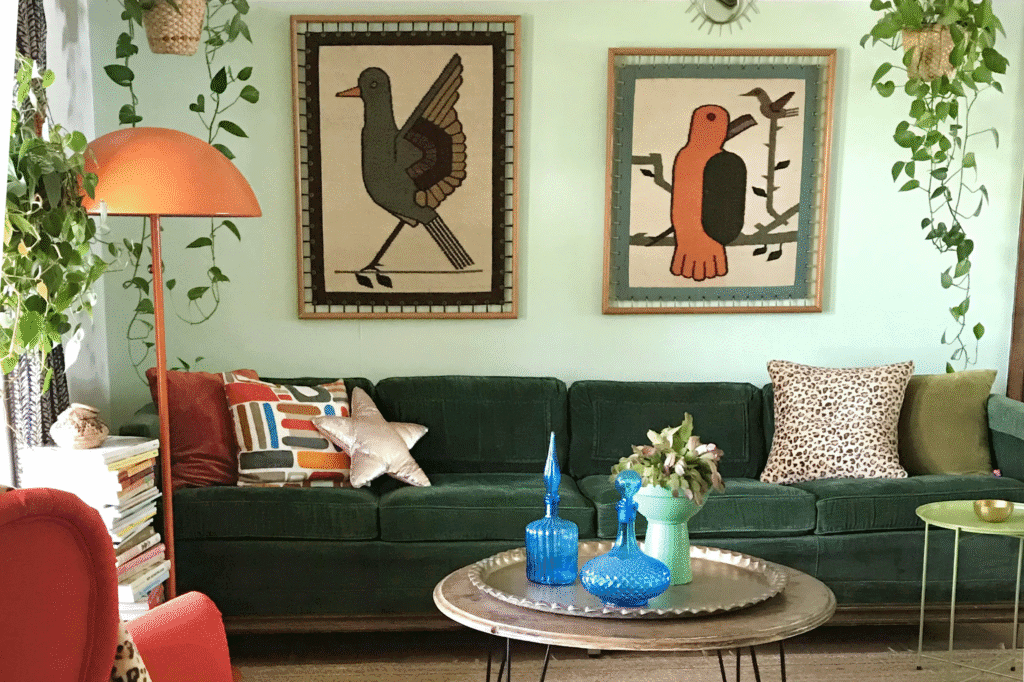
Creating a perfectly balanced interior design isn’t just about picking a pretty wallpaper — it’s about harmonizing colors, textures, and furniture with your chosen mural. When done right, Matching mural wallpaper with furniture can completely transform your space, adding depth, personality, and visual flow. Here’s how to match mural wallpaper with your furniture and color palette like a professional interior designer.
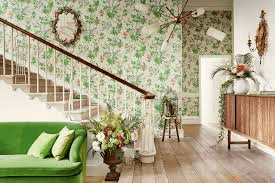
1. Start with a Mood Board
Before you buy anything, create a digital or physical mood board. Combine:
- A photo of your mural wallpaper design
- Images of your existing furniture
- Color swatches and fabric samples
This helps you visualize how all the elements will look together and ensures a cohesive interior theme.
2. Identify the Dominant Colors in the Mural
Look closely at your mural’s main tones — these will guide your furniture and accent color choices.
- For nature murals, pair with neutral woods or beige tones.
- For urban or abstract murals, use grays, blacks, or metallic accents.
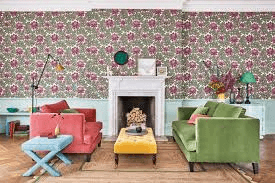
- For floral or artistic murals, pick one or two key shades to repeat elsewhere in the room.
Pro Tip: Use a color picker tool to extract exact hex codes for perfect color matching.
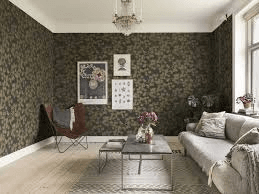
3. Match Furniture Tones, Not Just Colors
Think beyond color — texture and material matter too.
- Soft murals pair well with plush furniture (velvet, linen).
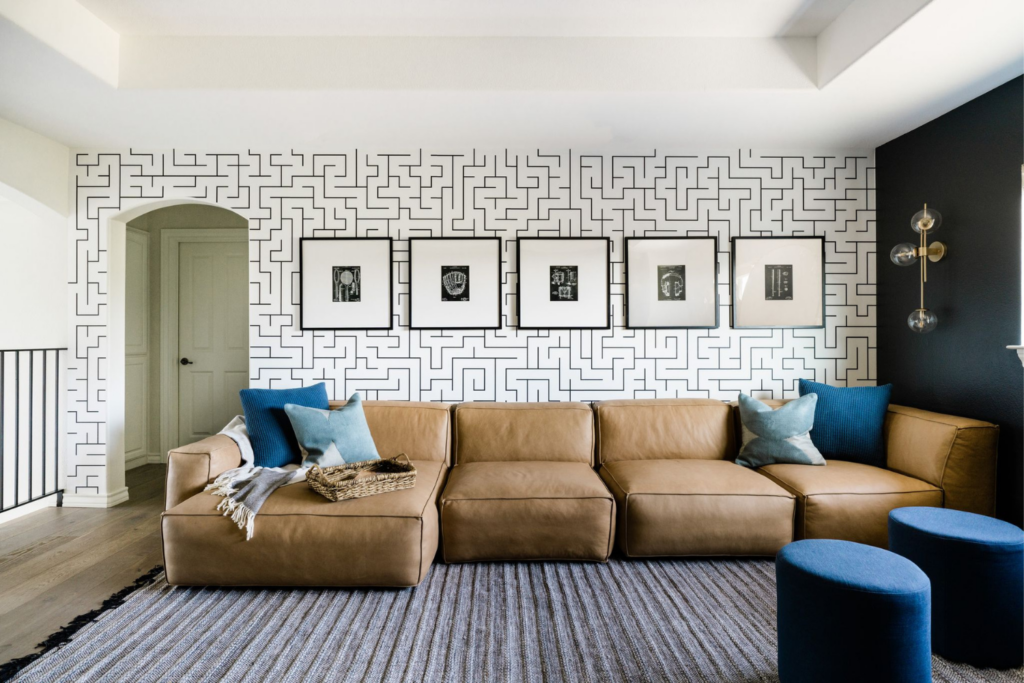
- Geometric or modern murals go better with sleek materials (glass, steel, leather).
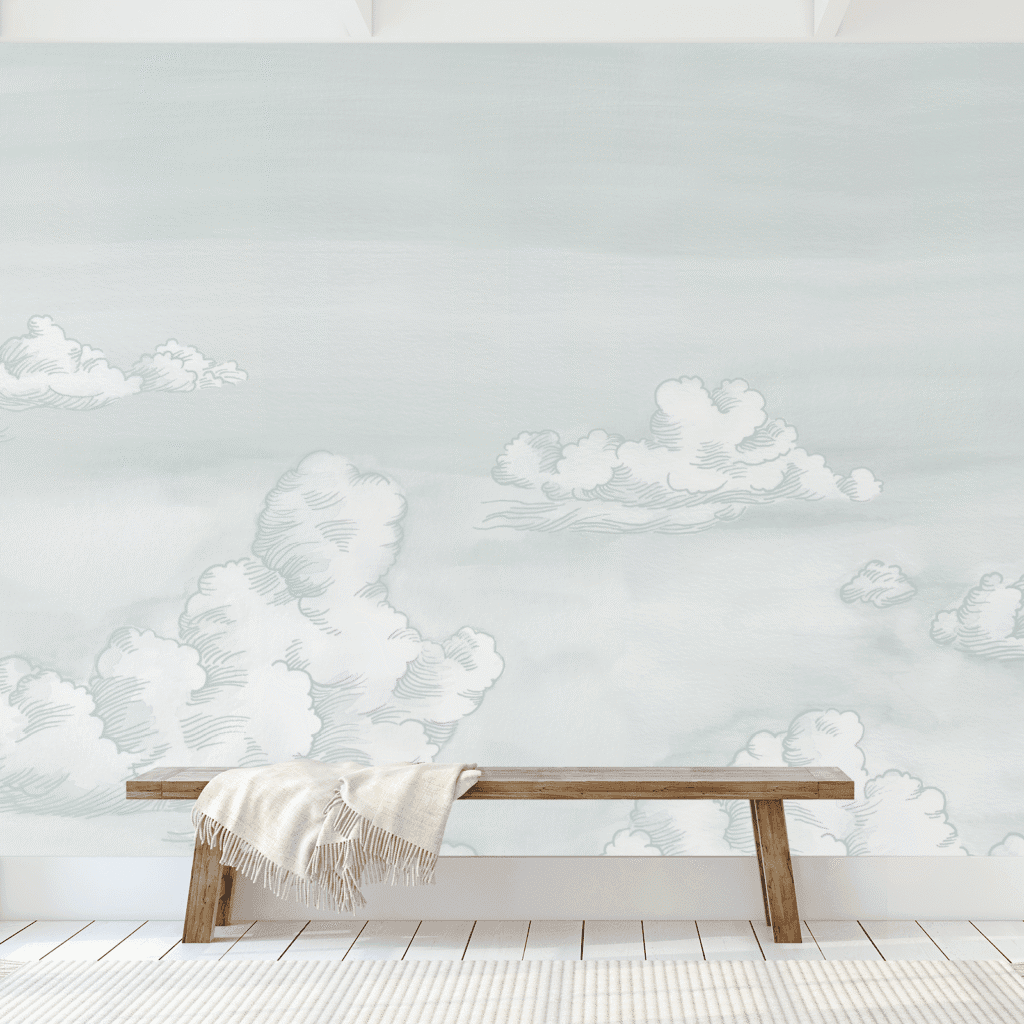
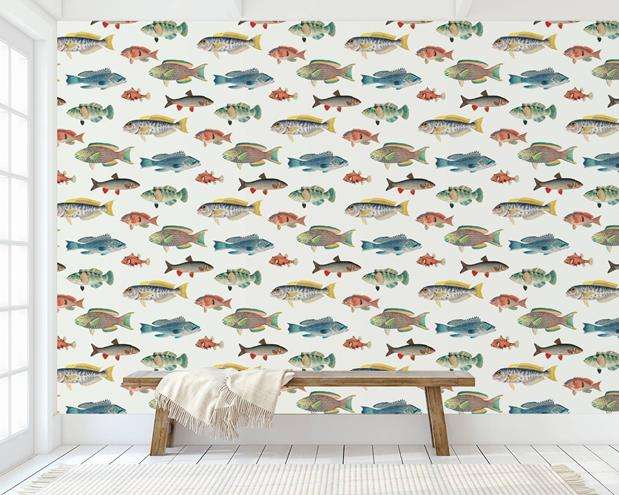
- Wooden furniture warms up cool-toned murals beautifully.
Balance contrast: light mural → dark furniture; bold mural → neutral furniture.
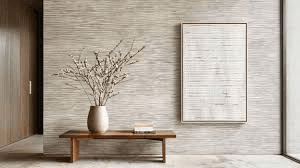
4. Use Complementary Color Palettes
Follow the color wheel rule — choose complementary or analogous colors.
For example:
- Blue mural → orange or gold décor accents
- Green mural → wooden or tan furniture
- Pink mural → cream or soft gray tones
This keeps the palette lively without overwhelming the eye.
5. Keep One Focal Wall
Don’t let your mural compete with too many busy elements. Make it your feature wall, and keep the other walls simple — painted in one of the mural’s supporting hues. This creates a sense of flow rather than clutter.
6. Add Neutral Anchors
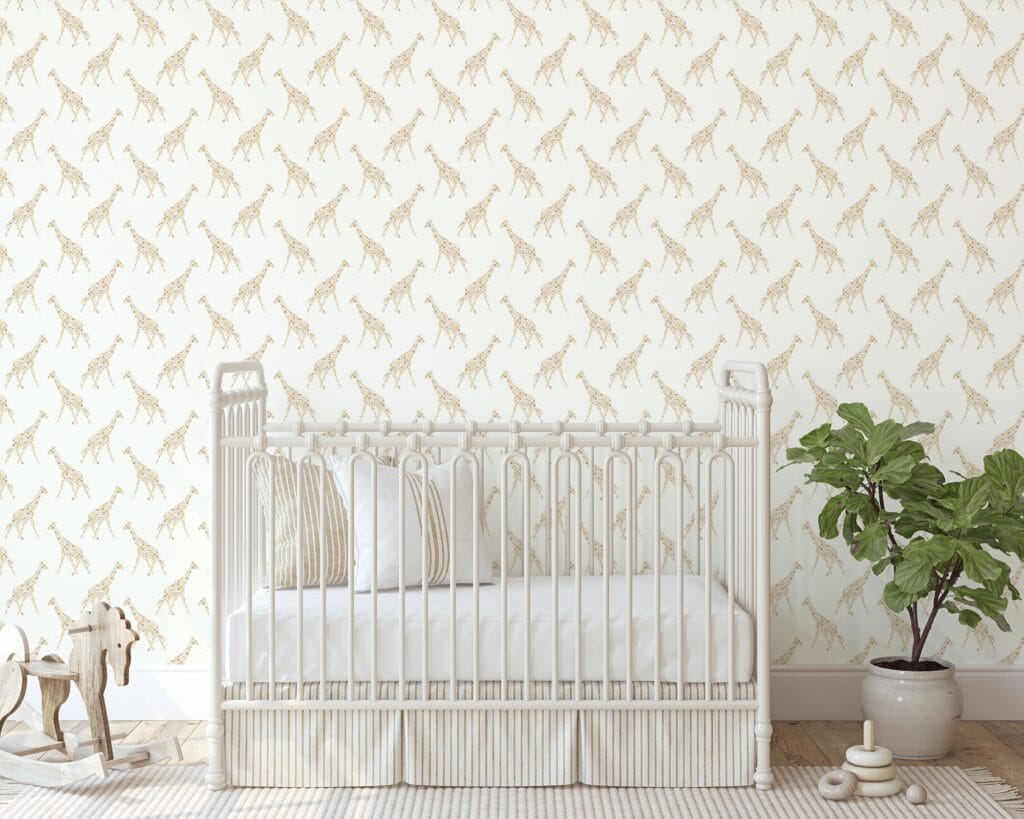
Neutral tones like white, beige, cream, or light gray act as visual “resting points.” If your mural is colorful or bold, use neutral-toned furniture or rugs to balance it out. This ensures your mural remains the star of the room.
7. Repeat Colors in Accessories
Echo one or two mural colors in small elements like:
- Cushions and throws
- Lampshades
- Art frames
- Vases or rugs
This repetition makes the design look intentional and ties the whole space together.
8. Balance Light and Dark Shades
If your mural wallpaper is dark, choose lighter furniture or metallic finishes to reflect light. Conversely, a light mural benefits from darker accents to ground the space. The goal is to maintain visual balance and depth.
9. Don’t Forget Lighting
Lighting dramatically affects how mural colors appear.
- Warm lighting enhances earthy or pastel murals.
- Cool lighting suits modern or metallic murals.
- Use spotlights to highlight mural details without glare.
A well-lit mural wall instantly becomes the heart of your interior.
10. Test Before You Commit
Order mural and fabric samples whenever possible. Tape them to your wall, observe them under natural and artificial light, and see how they interact with your furniture before finalizing your purchase.
💡 Bonus Tip: Keep the Room’s Purpose in Mind
For a living room, go for warm, welcoming tones.
In a bedroom, choose soft, calming hues.
For an office or creative space, try stimulating, vibrant colors that boost focus and creativity.
🎨 Conclusion
Matching mural wallpaper with furniture and colors is an art — but with the right strategy, you can create a space that’s not just beautiful, but harmonious and personal. Focus on balance, complementing hues, and repeating key tones throughout the room. Your mural isn’t just wall décor; it’s a reflection of your taste and creativity.