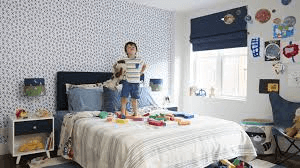
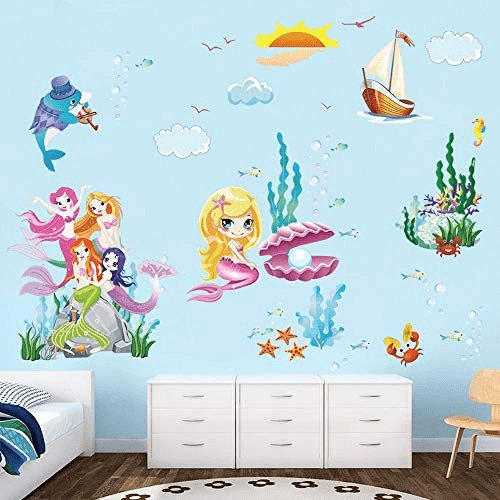
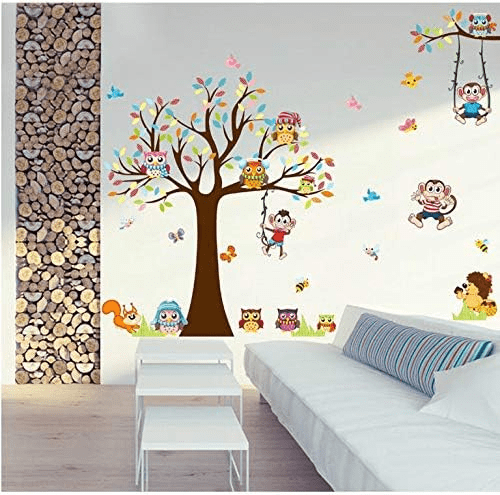
Decorating a child’s bedroom with kids wall decals is one of the easiest and most creative ways to transform a plain wall into a playful and inspiring space. From cartoon characters and animals to stars and educational designs, decals can instantly make a room feel more fun and personal. Many parents also love custom wall decals because they allow them to create unique designs that match their child’s personality and interests.
However, as children grow, their tastes change. The superhero theme that was once their favorite might be replaced with something new. When that happens, parents often need to remove the decals without damaging the wall paint underneath.
Table of Contents
Table of Contents
- 1. Use Gentle Heat to Loosen the Adhesive
- 2. Peel Slowly from the Corner
- 3. Use Warm Soapy Water
- 4. Try a Plastic Scraper or Credit Card
- 5. Remove Adhesive Residue with Vinegar
- 6. Use a Mild Adhesive Remover
- 7. Clean the Wall After Removal
- Tips for Removing Custom Wall Decals Safely
- When Is the Best Time to Remove Kids Wall Decals?
- Why Parents Love Kids Wall Decals
- Final Thoughts
The good news is that most kids wall decals are designed to be removable. With the right method and a little patience, you can safely take them off while keeping your walls smooth and clean.
Below are 7 easy ways to remove kids wall decals without damaging your walls.
1. Use Gentle Heat to Loosen the Adhesive
One of the most effective ways to remove kids wall decals is by using gentle heat. Heat softens the adhesive backing, making the decal easier to peel away.
Steps to Follow
- Turn on a hair dryer at a low or medium heat setting.
- Hold it a few inches away from the decal.
- Warm the surface for about 20–30 seconds.
- Slowly peel the decal starting from one corner.
Why This Works
The warmth loosens the glue behind the decal, allowing it to come off smoothly without pulling the paint off the wall.
This method works particularly well for custom wall decals that may have stronger adhesive.
2. Peel Slowly from the Corner
Sometimes the simplest method works best. If the decal is fairly new, you may be able to remove it by gently peeling it off.
How to Do It
- Start from the top corner of the decal.
- Slowly pull it downward at a slight angle.
- Avoid pulling too quickly.
Important Tip
If you feel resistance while peeling, stop and apply heat from a hair dryer before continuing.
This technique helps protect the wall surface and prevents tearing the decal.
3. Use Warm Soapy Water
Warm soapy water is another gentle solution for removing stubborn kids wall decals.
What You Need
- Warm water
- Mild dish soap
- Soft cloth or sponge
Steps
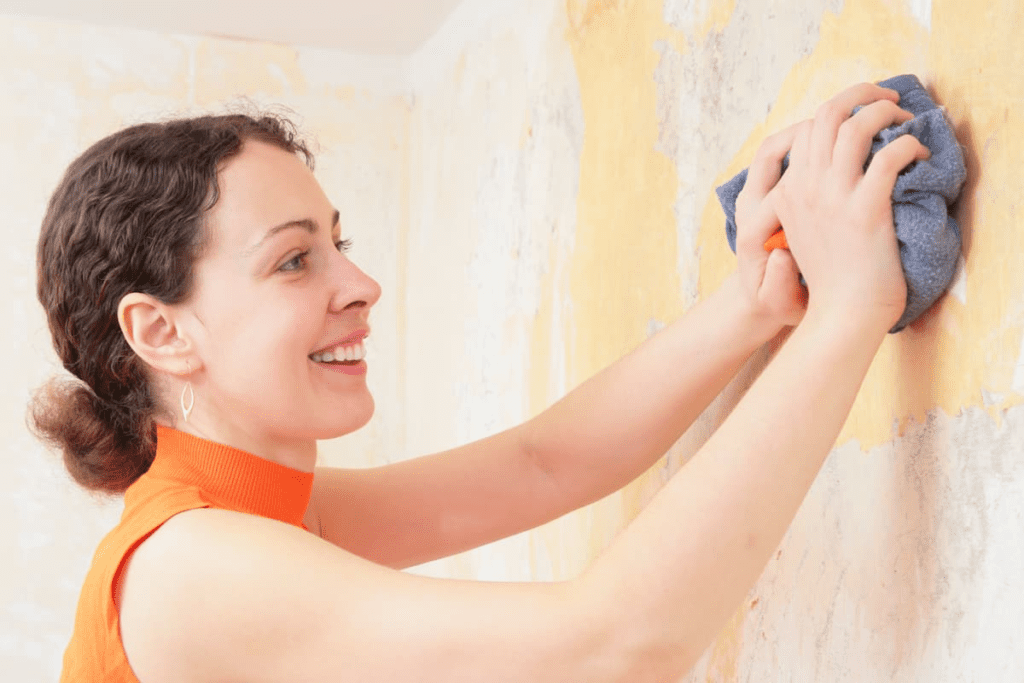
- Mix a few drops of dish soap with warm water.
- Lightly dampen a cloth with the mixture.
- Dab the edges of the decal.
- Wait a few minutes and gently peel it away.
The moisture softens the adhesive and helps release the decal from the wall.
4. Try a Plastic Scraper or Credit Card
If a decal leaves small pieces behind, you can carefully lift them with a plastic scraper.
Safe Tools to Use
- Plastic scraper
- Old credit card
- Plastic putty knife
Avoid using metal tools because they can scratch the wall.
Best Practice
Always scrape gently and combine this method with heat to loosen the adhesive first.
5. Remove Adhesive Residue with Vinegar
After removing kids wall decals, you might notice sticky residue left on the wall.
A simple vinegar solution can help remove it.
Steps
- Mix equal parts white vinegar and warm water.
- Dip a cloth into the mixture.
- Rub the sticky area gently.
- Wipe with a clean damp cloth.
Vinegar naturally breaks down adhesive without damaging most painted surfaces.
6. Use a Mild Adhesive Remover
For very stubborn decals or custom wall decals with strong adhesive, a mild adhesive remover can help.
Options to Consider
- citrus-based adhesive removers
- rubbing alcohol
- specialized wall sticker removers
Important Tip
Always test the product on a small hidden area first to ensure it does not damage the paint.
7. Clean the Wall After Removal
Once the decal and adhesive are completely removed, it’s a good idea to clean the wall.
Simple Cleaning Method
- Wipe the wall with a damp cloth.
- Use mild soap if necessary.
- Dry with a soft towel.
Cleaning the wall restores its appearance and prepares it for new decorations.
Tips for Removing Custom Wall Decals Safely
Custom wall decals can sometimes be larger or more detailed than standard decals, so removing them requires extra care.
Helpful Tips
- Always start peeling from the edges.
- Work slowly to avoid tearing the decal.
- Use gentle heat to soften the adhesive.
- Avoid sharp tools that could scratch the wall.
If the decal is very large, it may help to remove it section by section.
When Is the Best Time to Remove Kids Wall Decals?
The condition of the wall and decal can affect how easily they come off.
Best Situations for Easy Removal
- Walls painted with quality interior paint
- Decals that have been on the wall for less than 2–3 years
- Rooms with normal humidity levels
Older decals may require extra heat or adhesive remover.
Why Parents Love Kids Wall Decals
Despite the removal process, kids wall decals remain one of the most popular decorating choices for children’s rooms.
Reasons They Are Popular
- Easy to apply
- Affordable room makeover
- No permanent changes to the wall
- Available in thousands of designs
- Perfect for themed bedrooms
Many families also choose custom wall decals to display names, inspirational quotes, or personalized artwork.
Final Thoughts
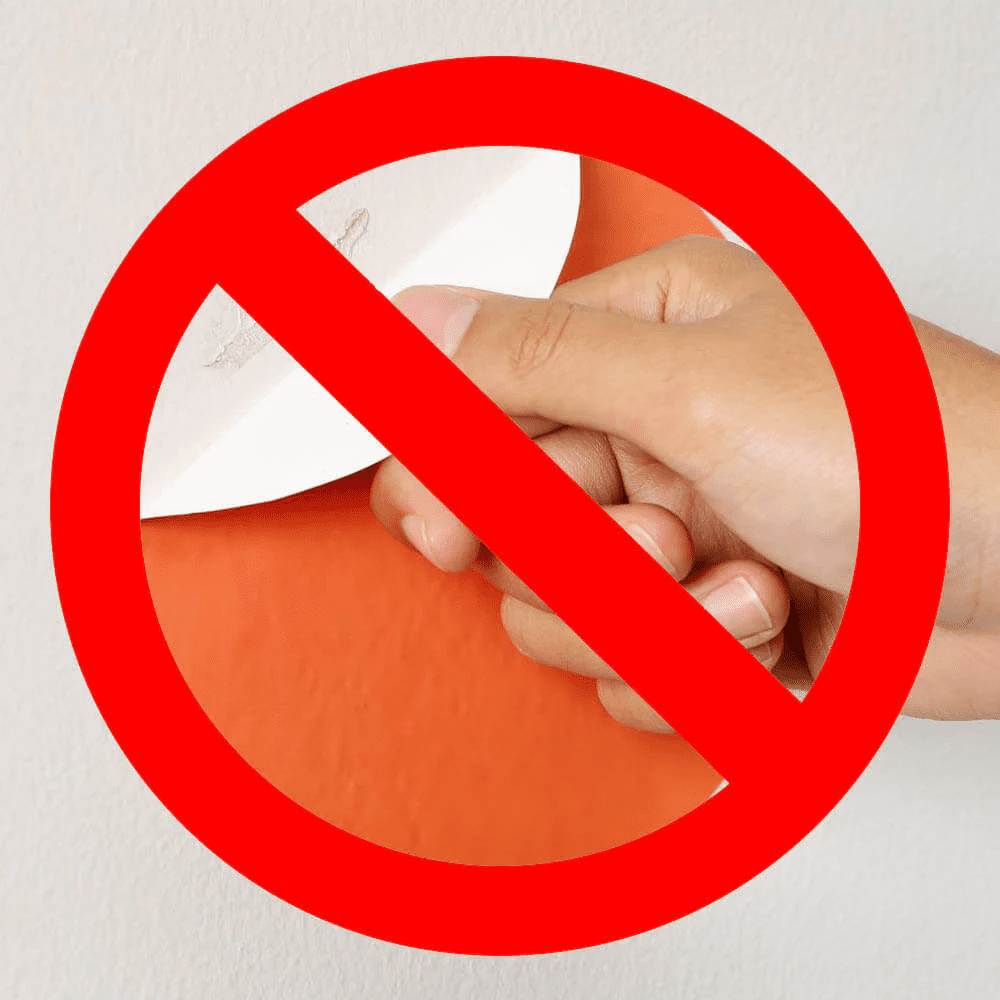
Decorating with kids wall decals is a fun and creative way to design a child’s bedroom. As kids grow and their interests change, removing the decals allows parents to easily refresh the room without repainting the walls.
By using simple methods like gentle heat, slow peeling, warm water, and natural cleaning solutions, you can safely remove both standard and custom wall decals without damaging your walls.
With a little patience and the right tools, your walls will be ready for the next exciting decoration idea—whether it’s a new theme, fresh paint, or another set of creative decals.