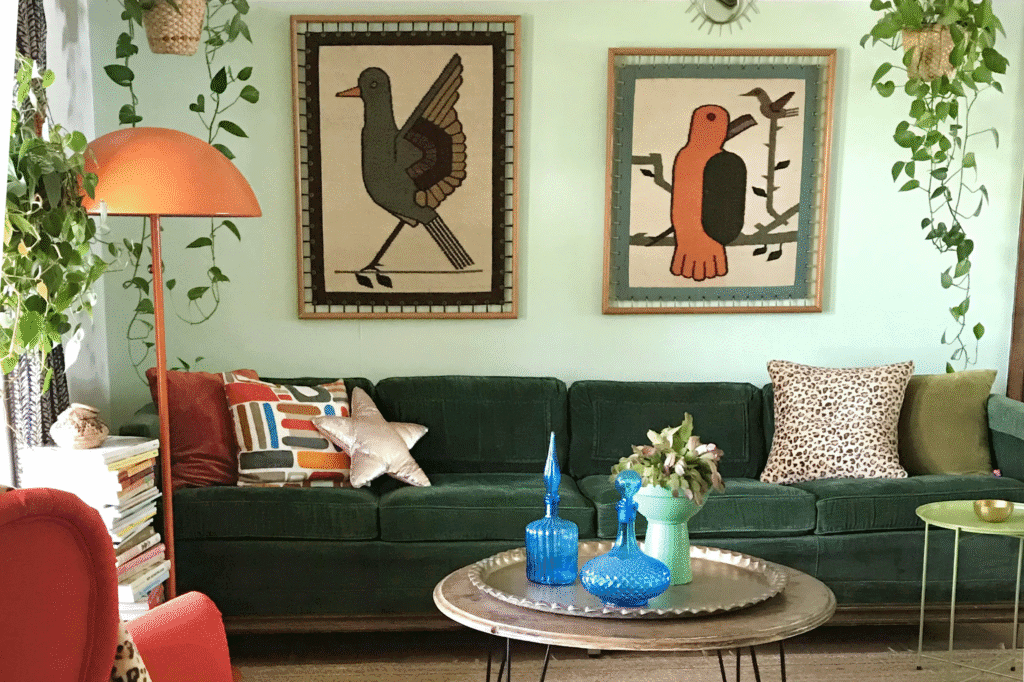
Renovating your home to be eco-friendly renovation is more than just a design choice — it’s a lifestyle shift toward a healthier, more resource-efficient, and future-ready home. In 2026, eco-friendly renovations continue to gain widespread popularity across the United States, driven by environmental awareness, rising energy costs, and a growing desire for wellness-focused living spaces. With the right plan, sustainable materials, and smart technologies, you can transform your home into a space that not only looks great but also feels good for you and the planet.
Table of Contents
Table of Contents
This comprehensive guide covers every step of the eco-friendly renovation process — from planning and materials to energy efficiency, water conservation, biophilic design trends, and the latest U.S. home renovation styles for 2026. We’ll also highlight ways to link and reference relevant content from The Guest Craft blog network to enrich your knowledge and inspiration.
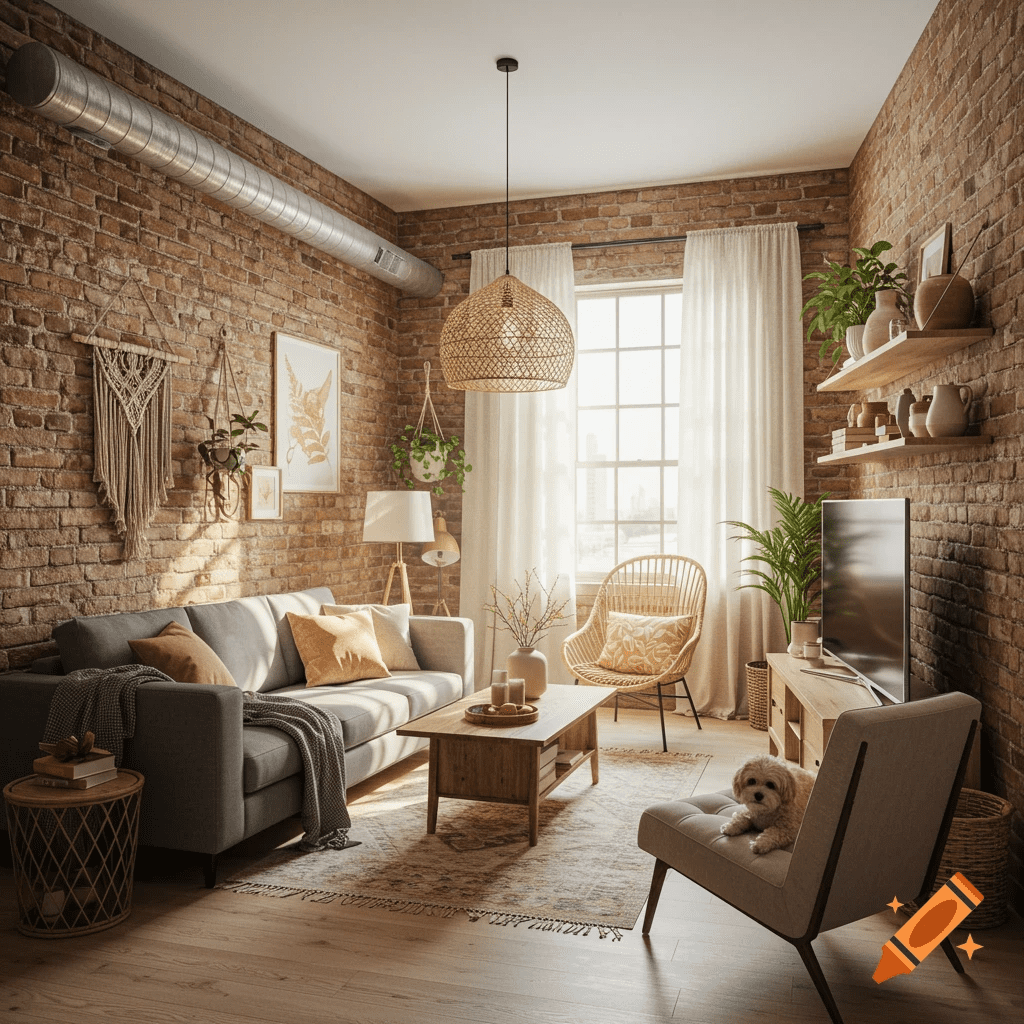
🌍 What Is an Eco-Friendly Renovation?
An eco-friendly renovation is a home transformation project centered on reducing environmental impact, maximizing resource efficiency, and creating healthier indoor environments. Unlike conventional renovations that prioritize aesthetics alone, eco-friendly upgrades focus on:
- lowering energy usage
- reducing carbon emissions
- minimizing waste
- selecting sustainable materials
- improving indoor air quality
- and enhancing long-term durability
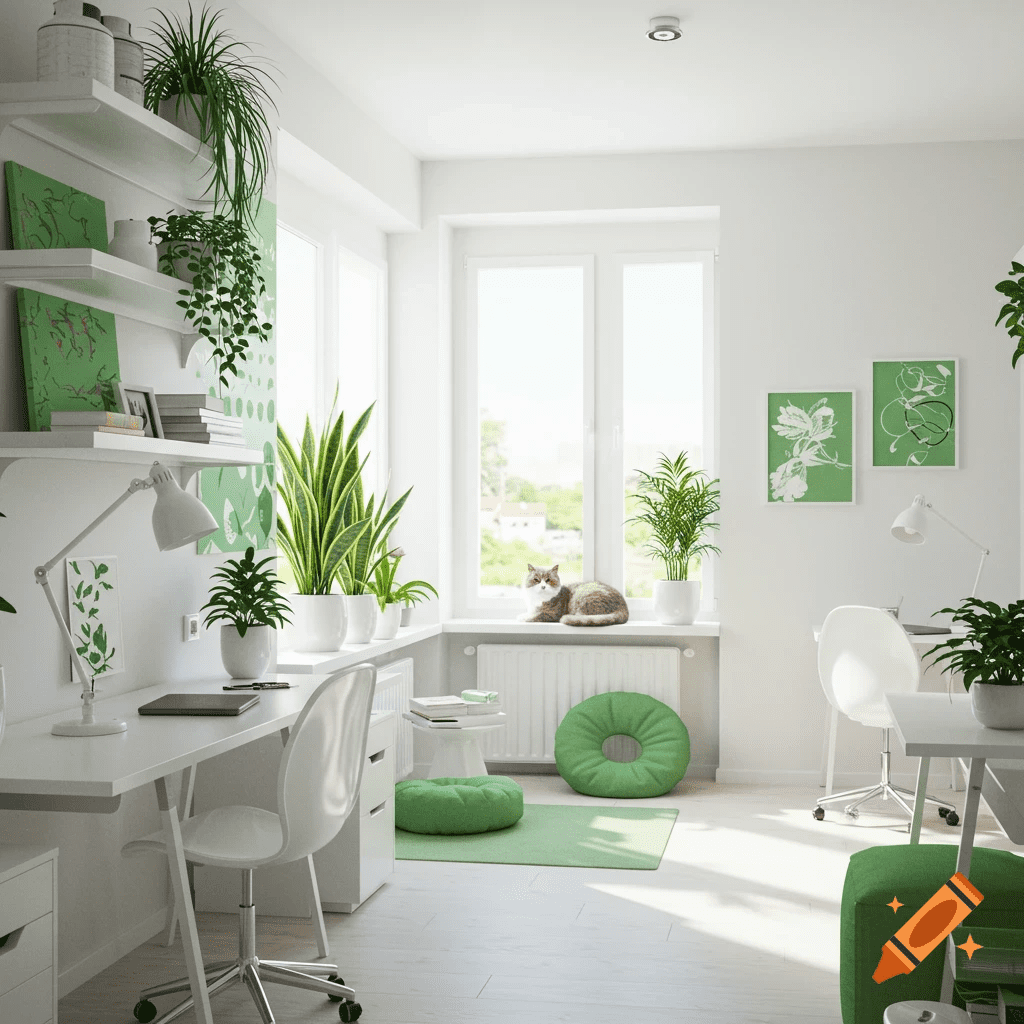
This approach aligns with broader trends in home remodeling, where sustainability and wellness are as important as visual appeal. In 2026, American homeowners are increasingly integrating biophilic design — bringing nature indoors with natural light, greenery, and organic materials — and prioritizing materials that are both stylish and sustainable.
📈 Why Eco-Friendly Renovation Matters in 2026
Eco-friendly renovation isn’t just a trend — it’s now a practical necessity for homeowners seeking value, environmental responsibility, and quality of life improvements. Key drivers in 2026 include:
🏡 Consumer Demand for Sustainability
Homebuyers and homeowners alike are more eco-conscious than ever. According to recent analyses of U.S. home design trends, sustainability is a top priority — alongside wellness features and flexible, multifunctional spaces.
🌿 Wellness and Health
Low-VOC paints, natural materials, and improved ventilation systems are increasingly sought after to enhance indoor air quality. Homeowners are no longer willing to compromise health for design.
💸 Long-Term Cost Savings
Energy-efficient systems, better insulation, and water conservation technologies significantly reduce utility bills over time — often offsetting initial renovation costs.
☀️ Climate Impact and Resilience
With climate concerns at the forefront, sustainable renovations also focus on resilience — from solar-ready systems to homes designed to handle extreme weather (e.g., heat waves, storms).
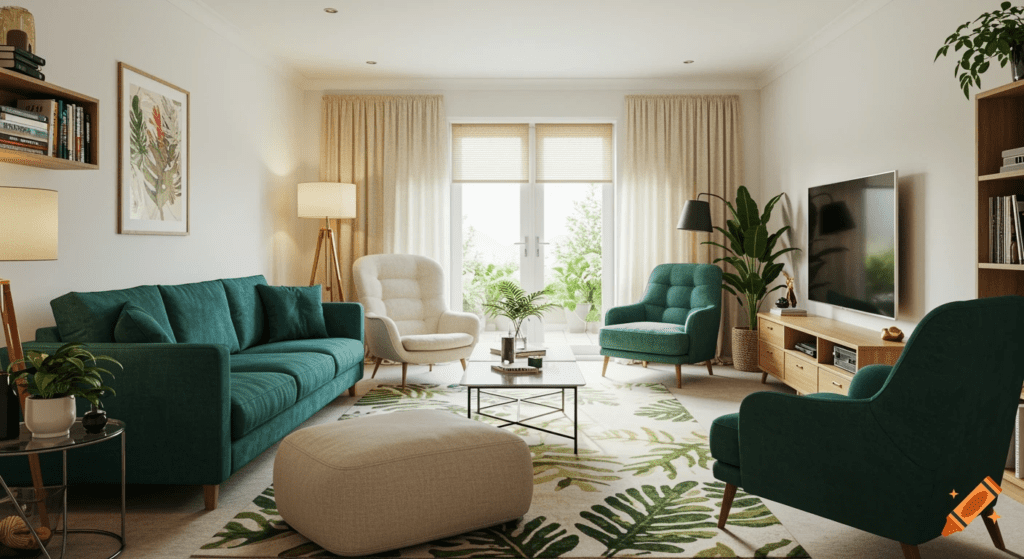
🔧 Step-by-Step Eco-Friendly Renovation Guide
Below is a detailed roadmap to help you plan and execute an eco-friendly renovation with confidence.
1️⃣ Step 1 — Get Clear on Your Goals
Before picking materials or contractors, start with a renovation plan rooted in purpose.
📌 Ask Yourself:
- Are you renovating to improve comfort, reduce bills, or both?
- Which areas of the home need the most attention?
- Is your priority energy efficiency, water conservation, aesthetics, or wellness?
- What is your budget and timeline?
Defining goals helps you make high-impact choices and avoid unnecessary expenditures. For example, if your goal is better energy performance, start with insulation and windows before moving to cosmetic upgrades.
2️⃣ Step 2 — Set a Realistic, High-Impact Budget
Eco-friendly renovations can yield huge long-term savings, but some upgrades have higher returns than others. Prioritize upgrades such as:
- Insulation & air sealing
- Energy-efficient windows
- Efficient HVAC systems
- Low-flow plumbing fixtures
- LED lighting upgrades
- Solar energy systems
Allocate your budget based on long-term return on investment (ROI) rather than immediate visual impact.
🛠 Choosing Sustainable Materials
The materials you select make a big difference — not just aesthetically, but environmentally.
🌱 1 — Recycled & Reclaimed Materials
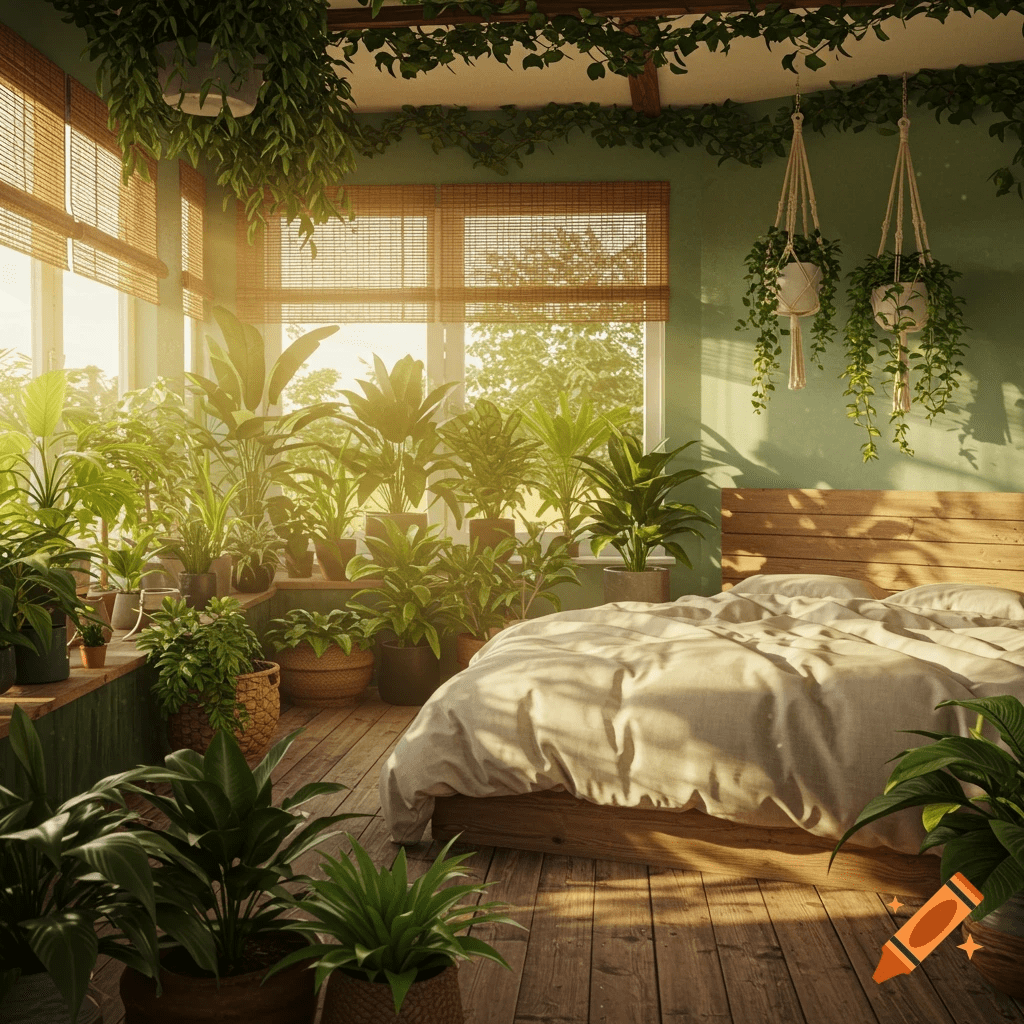
Reclaimed wood, recycled metal, and salvaged architectural elements add character and reduce waste. They’re increasingly popular in 2026 interiors as homeowners embrace historic charm and sustainability.
Related inspiration: Check out minimalist and material-rich designs in articles like “Minimalist Interior Design with Wallpaper: Simple Wall Ideas for Modern Homes 2026” on The Guest Craft.
🌿 2 — Renewable Materials
- Bamboo (rapidly renewable flooring option)
- Cork (excellent for flooring & insulation)
- FSC-certified wood
- Natural stone tiles
These materials come from responsibly managed sources and reduce environmental impact.
🌬 3 — Low-VOC & Non-Toxic Finishes
Choose paints, sealants, and adhesives with low or zero volatile organic compounds (VOCs) to keep indoor air quality healthy. This is crucial for bedrooms, living spaces, and kitchens.
🔥 Energy Efficiency Upgrades
Energy efficiency is at the heart of eco-friendly renovation and one of the fastest ways to cut bills and emissions.
💡 LED Lighting Everywhere
LED bulbs use significantly less energy and last much longer than traditional bulbs. They also generate less heat — helping lower cooling costs.
🪟 Energy-Efficient Windows
Opt for double- or triple-pane windows with low-emissivity (Low-E) coatings to reduce heat transfer. These upgrades maintain stable indoor temperatures and improve comfort.
🏠 Smart Thermostats & Automation
Smart thermostats (like Nest or Ecobee) learn your schedule and optimize heating/ cooling automatically, significantly reducing unnecessary energy use.
☀️ Solar-Ready Homes & Renewable Energy
Even if you don’t install solar panels immediately, consider preparing your home with:
- Solar-ready roofing
- Electrical upgrades for solar integration
- Battery backup systems
In 2026, solar-ready and electrified homes are trending strongly as part of future-proof renovations.
💧 Water Conservation Measures
Water-efficient design is a fundamental part of eco-friendly renovation.
🚿 Install Water-Saving Fixtures
- Low-flow showerheads
- Dual-flush toilets
- Aerated faucets
These reduce water usage without compromising performance.
💦 Harvest Rainwater
Rainwater harvesting systems can collect water for:
- Irrigation
- Toilet flushing
- Outdoor cleaning
This reduces demand on municipal water supplies and cuts bills.
🪠 Greywater Systems
Greywater systems recycle sink and shower water for landscaping — an advanced but rewarding sustainability upgrade.
🪴 Biophilic and Wellness-Focused Design
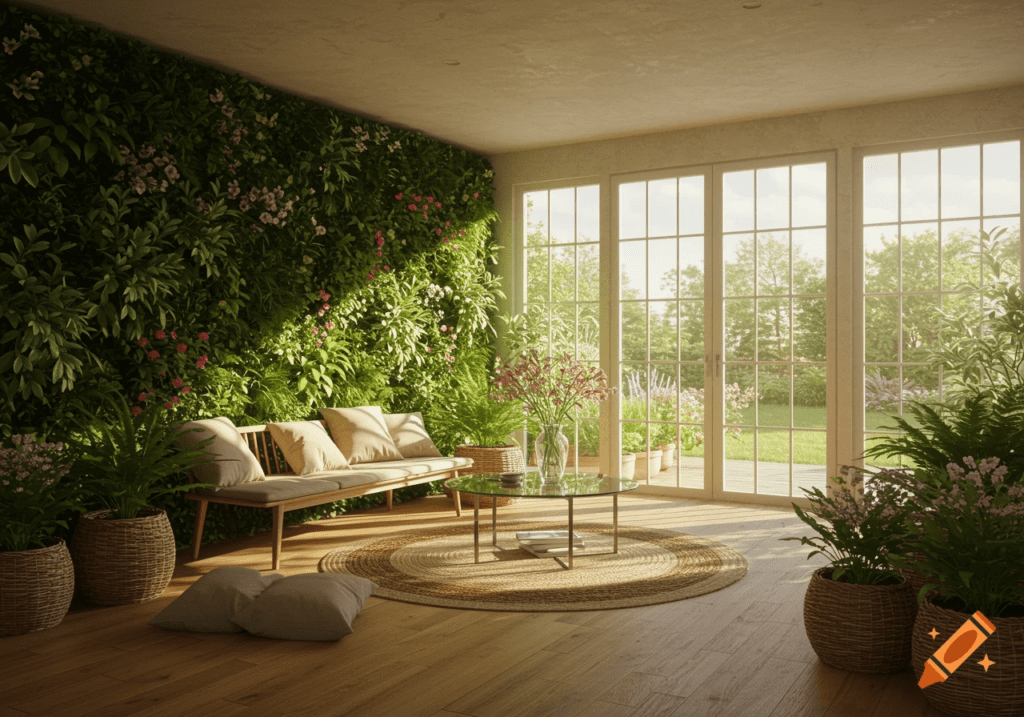
2026 interior design trends are deeply influenced by the desire to connect homes with nature. Natural light, greenery, and tactile materials contribute to well-being and serene interiors.
🌿 Bring Nature Indoors
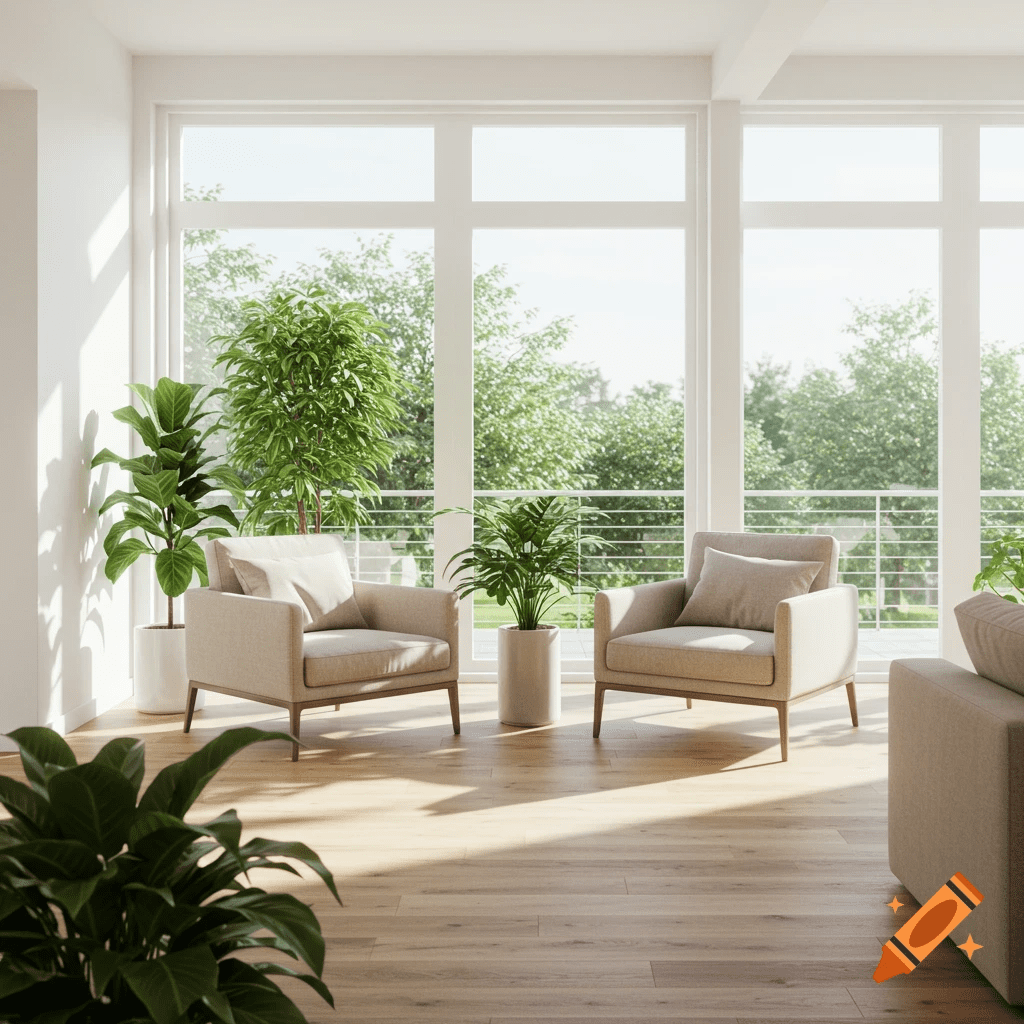
- Use large windows or glass doors to increase daylight
- Add indoor plants that improve air quality
- Use materials like stone and wood to evoke natural texture
🌞 Prioritize Natural Light
Design choices such as skylights, larger windows, or interior layouts that capture daylight improve both energy efficiency and mood.
🛋 Eco-Friendly Renovation Ideas by Space
Here’s how to integrate sustainability room-by-room.
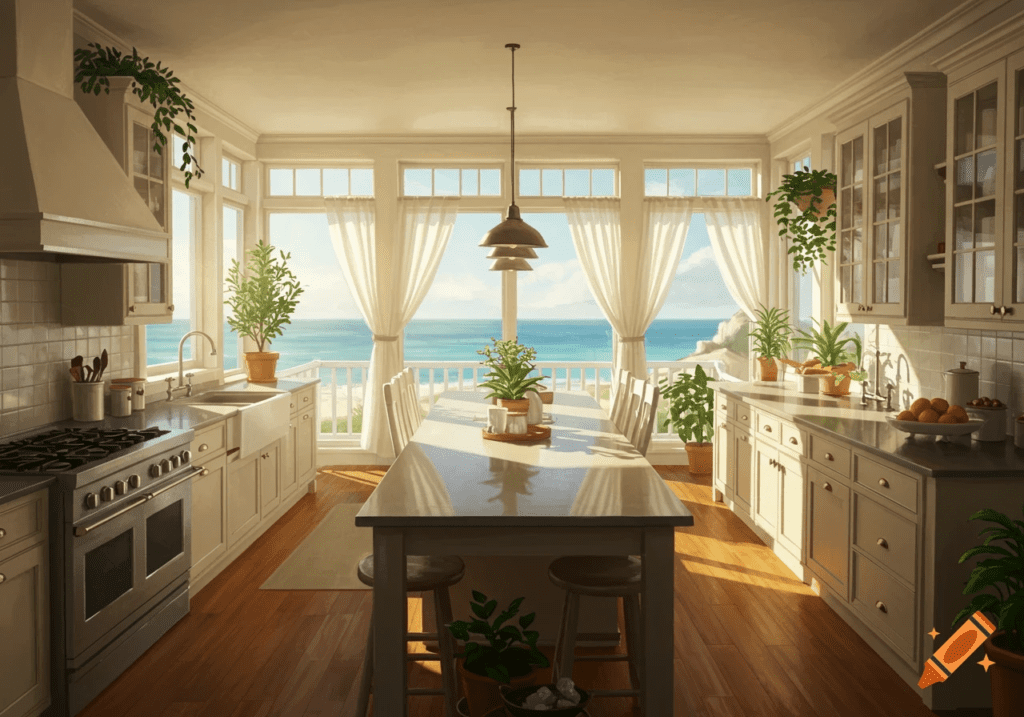
🍽 Kitchen Renovation Ideas
Kitchens are one of the most renovation-intensive areas — and also prime candidates for green upgrades.
♻️ Energy-Efficient Appliances
Choose appliances with ENERGY STAR certifications to cut electricity usage.
🌾 Sustainable Countertops
Eco-friendly options include:
- Recycled glass countertops
- Bamboo butcher blocks
- Reclaimed wood
📦 Reduce Kitchen Waste
Install a compost station and sorting bins for recycling to reduce landfill contributions.
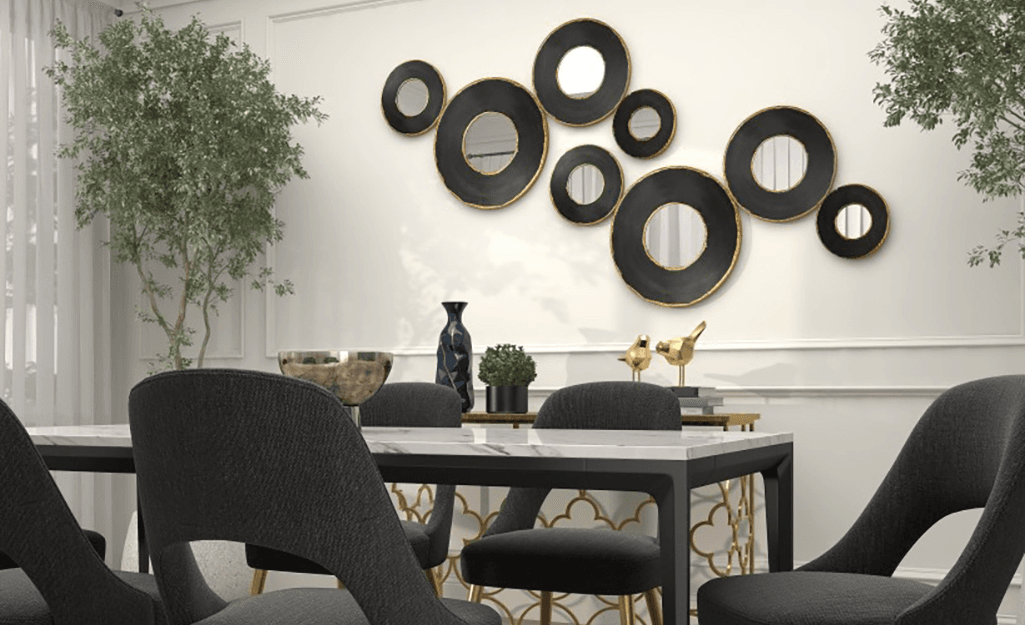
Check out design inspiration in Dining Room Interior Design Ideas for 2026: Trends, Tips & Inspiration on The Guest Craft for cohesive sustainable style ideas.
🛁 Bathroom Renovation Ideas
Bathrooms are walls-to-water systems; optimizing them yields big eco gains.
🚿 Low-Flow Fixtures
Install water-saving faucets and showerheads that maintain pressure while reducing usage.
🪵 Natural Materials
Stone, ceramic, and recycled glass tile create a grounded, spa-like feel and last longer.
🌬 Improve Ventilation
Good ventilation prevents mold, enhancing indoor air quality and reducing the need for harsh chemicals.
🏡 Flooring and Interior Surfaces
Flooring affects indoor air quality and sustainability.
🌱 Choose Eco-Friendly Floors
- Bamboo
- Cork
- Reclaimed hardwood
- Linoleum (natural)
Avoid vinyl or other petroleum-based products.
🧠 Smart Technology Integration
In 2026, smart home tech isn’t just convenient — it supports sustainability goals.
📱 Smart Thermostats
Optimize HVAC systems with AI learning to reduce energy waste.
🌍 Smart Lighting
Motion sensors and timers cut energy use when rooms are empty.
📊 Energy Monitoring
Home energy monitors help you see where power gets wasted and adjust behavior accordingly.
🗑 Waste Reduction Best Practices
Reducing renovation waste is as important as energy efficiency.
🔁 Reuse First
Where possible, renovate existing elements instead of replacing them:
- Cabinets
- Doors
- Fixtures
- Hardware
🚚 Donate or Recycle Materials
Donate usable materials to local organizations or recycling centers. Not only does this help community projects, but it diverts waste from landfills.
🧠 Latest USA 2026 Renovation Trends — What’s Hot Right Now
Renovation trends in the U.S. are evolving fast. In 2026, homes are blending sustainability with wellness, comfort, and style.
🌿 Biophilic & Natural Design
Homes now embrace nature — organic textures, earthy color palettes, and abundant natural light are top priorities.
🪵 Warm Minimalism
Minimalism remains popular, but with warmer tones and materials that make spaces feel cozy rather than stark.
💡 Wellness Features
Homes are adding features that support well-being — from spa-like bathrooms to circadian lighting systems.
🧰 Flexible Spaces
Renovations now emphasize multifunctionality — living rooms that double as home offices or gyms.
🌞 Climate Resilience
Climate resilience elements like solar readiness, efficient insulation, and weather-resistant materials are influencing renovation decisions in many U.S. markets.
🧪 Internal Resource Ideas (The Guest Craft)
To further enhance your eco-friendly renovation planning, explore related blog posts on The Guest Craft:
📌 Design & Room Inspiration
- “Minimalist Interior Design with Wallpaper: Simple Wall Ideas for Modern Homes 2026” — Simple design tips to elevate eco renovations.
- “Dining Room Interior Design Ideas for 2026: Trends, Tips & Inspiration” — Sustainable and stylish tips for your dining areas.
📌 Home Improvement & Submissions
- “Write for Us Home Improvement: Get Featured on Our Blog in 2026” — If you plan to write about your renovation journey or share insights, this post helps you contribute.
These internal resources will inspire, educate, and even help you share your own renovation stories.
🚫 Common Mistakes to Avoid
Even eco-friendly renovations can fall short without careful planning.
❌ Ignoring Insulation First
Insulation is the most impactful energy-saving upgrade — don’t skip it.
❌ Choosing Style Over Function
Sacrificing performance for aesthetics can cost much more over time.
❌ Forgetting Lifecycle Cost
Always consider lifecycle costs — long-lasting sustainable materials often save more money in the long run.
🧩 Final Thoughts
Eco-friendly renovation in 2026 is about balance — smart choices that support the planet and improve life at home. Whether you’re updating a kitchen, bathroom, or entire house, each sustainable decision brings you closer to a greener, more efficient, and healthier future. Integrate trends like biophilic design, renewable energy readiness, and wellness features to make your home both beautiful and responsible.
With thoughtful planning, sustainable materials, and strategic upgrades, eco-friendly renovation becomes not just a project — but a legacy investment for your family and the planet.