Gaining high-authority visibility as an interior designer is easier when you strategically share your work with top design and architecture platforms. One of the best ways to increase credibility, boost SEO, and attract clients is to submit interior design projects to architectural websites. Below is a complete, points-based breakdown that shows you exactly how to get your projects accepted and featured.
Table of Contents
Table of Contents
- Why Submitting Your Projects Matters
- Choose Your Best Projects for Submission
- Create a Strong and Engaging Project Story
- Follow Each Website’s Submission Guidelines Properly
- Prepare All Required Materials in One Organized Folder
- Build Relationships With Editors and Platforms
- Submit at the Right Time for Better Approval Rates
- Follow Up Professionally (But Not Too Often)
- Promote Your Feature After It Gets Published
- Final Thoughts: A Long-Term Strategy for Growth
Why Submitting Your Projects Matters
Benefits of Getting Featured
- Build trust and credibility in the design industry
- Gain high-authority backlinks that boost SEO
- Reach design editors, journalists, and potential clients
- Showcase your work to thousands of readers
- Strengthen your digital portfolio
Why Architectural Sites Are Powerful
- They attract professionals in both interior and architectural fields
- Their audiences value innovation, originality, and craftsmanship
- Being featured positions you as an expert in your niche
To gain these advantages, you need to professionally submit interior design projects to architectural websites using a strategic and organized process.
Choose Your Best Projects for Submission
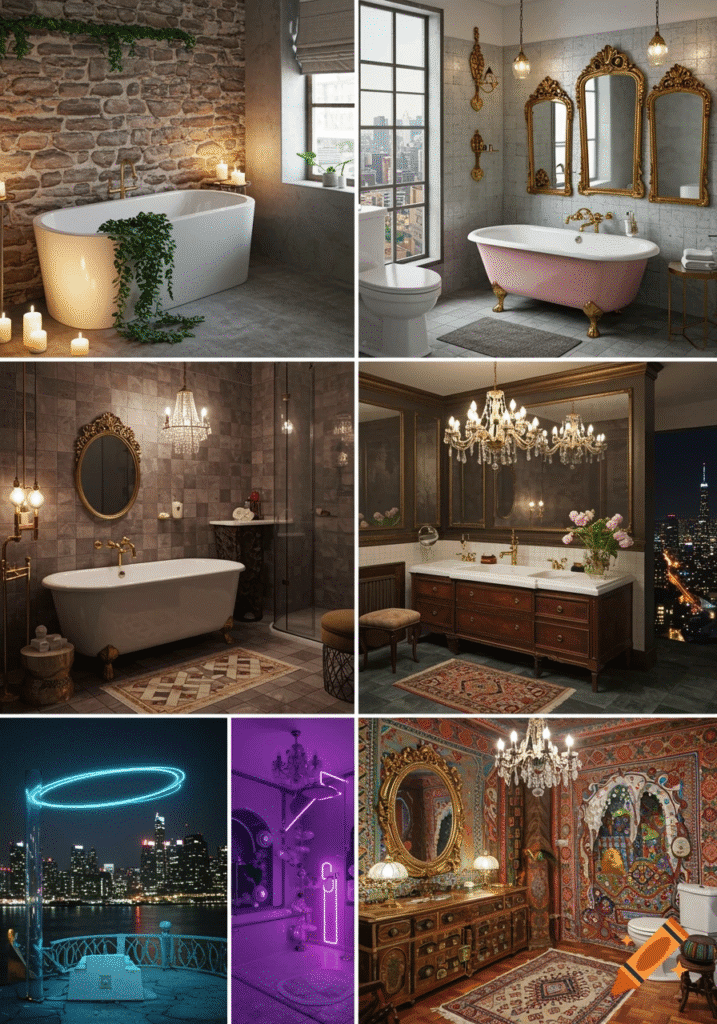
Pick the Most Impactful Projects
- Select projects with strong visual identity
- Prioritize spaces with unique layouts, colors, or materials
- Showcase transformations, like before-and-after designs
- Include spaces that tell a story or solve a complex design challenge
Use High-Quality Visuals
- Always include professionally shot images
- Capture wide angles, details, and natural light
- Provide multiple viewpoints for each space
High-quality visuals dramatically increase your chances when you submit interior design projects to architectural websites.
Create a Strong and Engaging Project Story
What Your Story Should Cover
- Client goals and initial challenges
- Your design concept and inspiration
- The solutions you implemented
- Materials, color palettes, or unique elements
- The final results and impact
Why Storytelling Matters
- Editors want more than images—they want insight
- Authentic stories help the audience connect with your work
- Strong narratives increase publication success
When you submit interior design projects to architectural websites, your story is just as important as your images.
Follow Each Website’s Submission Guidelines Properly
Why Guidelines Are Crucial
- Every website has different requirements
- Incorrect submissions get rejected immediately
- Editors lack time for corrections
Common Requirements
- Image dimensions and file formats
- Word count for your project description
- Floor plans or layout drawings
- Credits for photographers or contractors
- Contact information or portfolio links
Before you submit interior design projects to architectural websites, always read the guidelines carefully to avoid mistakes.

Prepare All Required Materials in One Organized Folder
What to Include
- High-resolution photos labeled correctly
- A polished project description
- Floor plans and concept sketches
- A short designer bio
- Your website and online portfolio link
- Photographer credits
Benefits of Being Organized
- Makes your submission professional
- Helps editors process your project faster
- Reduces the chances of errors or missing files
Good organization is essential when you submit interior design projects to architectural websites.
Build Relationships With Editors and Platforms
How to Start Building Visibility
- Follow architectural websites on social media
- Engage with their posts by commenting and sharing
- Tag them in your project teasers
- Read their published content regularly
Benefits of Engagement
- Editors begin recognizing your name
- Increased chances of publication
- Long-term collaborations become possible
Relationship-building is a smart approach before you submit interior design projects to architectural websites.

Submit at the Right Time for Better Approval Rates
Best Times to Submit
- Early months of the year when editors plan fresh content
- Seasons aligned with your project theme (ex: holiday décor)
- Slower periods like late summer when competition is lower
Why Timing Matters
- Editors receive hundreds of submissions
- Submitting during low-volume times boosts visibility
Strategic timing improves your success rate when you submit interior design projects to architectural websites.
Follow Up Professionally (But Not Too Often)
How to Follow Up Correctly
- Wait 7–14 days before sending a reminder
- Keep your message short and friendly
- Offer to provide extra images or details
- Thank them for their time
Why Follow-Ups Work
- Editors often overlook submissions
- A polite reminder may bring your project back into focus
A well-timed follow-up is a valuable step after you submit interior design projects to architectural websites.
Promote Your Feature After It Gets Published
How to Maximize Exposure
- Share the feature link on all social media platforms
- Add it to your website portfolio
- Include it in your email newsletter
- Add “Featured In” badges to your website
- Share the article on Pinterest for long-term traffic
SEO Benefits
- High-authority backlinks improve website ranking
- More people discover your services organically
After you submit interior design projects to architectural websites, promotion multiplies your results.
Final Thoughts: A Long-Term Strategy for Growth
When you submit interior design projects to architectural websites, you position yourself as a confident designer ready to showcase your creativity to the world. By selecting your strongest work, preparing professional materials, following submission guidelines, networking with editors, and promoting your published features, you build a long-term strategy that boosts brand authority and drives more client opportunities.