Minimalism is more than a design trend—it is a lifestyle choice that values simplicity, balance, and intentional living. In modern interiors, art plays a crucial role in defining character without overwhelming the space. Minimalist Art Decor blends clean aesthetics with meaningful expression, making it a timeless choice for contemporary homes. This article explores five enduring minimalist art decor trends that continue to shape modern interiors while staying stylish, elegant, and relevant.
Table of Contents
Table of Contents
- Why Minimalist Art Decor Works in Modern Homes
- 1. Abstract Line Art with Neutral Tones
- 2. Large-Scale Statement Artwork
- 3. Black and White Photography
- 4. Nature-Inspired Minimalist Art
- 5. Curated Gallery Walls with Minimal Frames
- How to Choose the Right Minimalist Art Decor
- Styling Tips for a Cohesive Look
- Final Thoughts
Why Minimalist Art Decor Works in Modern Homes
Modern homes are designed around open spaces, natural light, and functional layouts. Overcrowding walls with excessive decoration can disrupt this balance. Minimalist Art Decor complements modern architecture by adding visual interest while preserving simplicity. It emphasizes quality over quantity, encouraging homeowners to invest in art that feels intentional and calming.
Another reason minimalist art remains timeless is its adaptability. Whether your home leans toward Scandinavian, industrial, or contemporary design, minimalist art integrates seamlessly without clashing with other elements.
1. Abstract Line Art with Neutral Tones
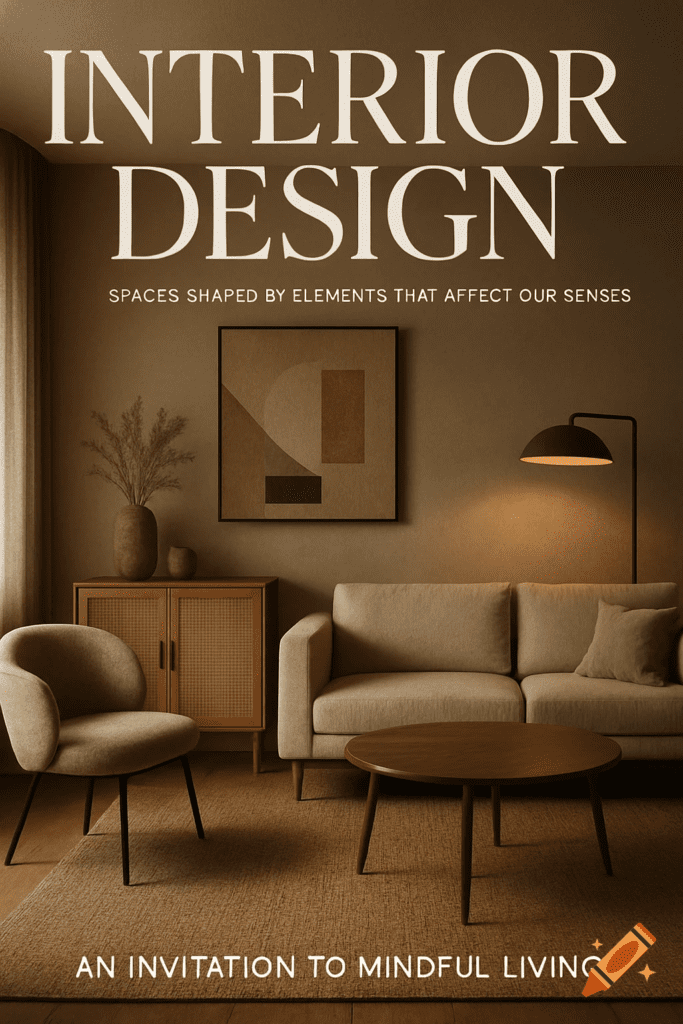
Abstract line art is one of the most recognizable forms of Minimalist Art Decor. Characterized by fluid lines, organic shapes, and muted color palettes, this style creates a sophisticated yet understated visual appeal.
Neutral tones such as beige, black, white, and soft gray allow the artwork to enhance the room without dominating it. Line art works particularly well in living rooms, bedrooms, and home offices where calmness is essential. Framed in thin black or wooden frames, these pieces reflect modern elegance while maintaining a timeless feel.
2. Large-Scale Statement Artwork
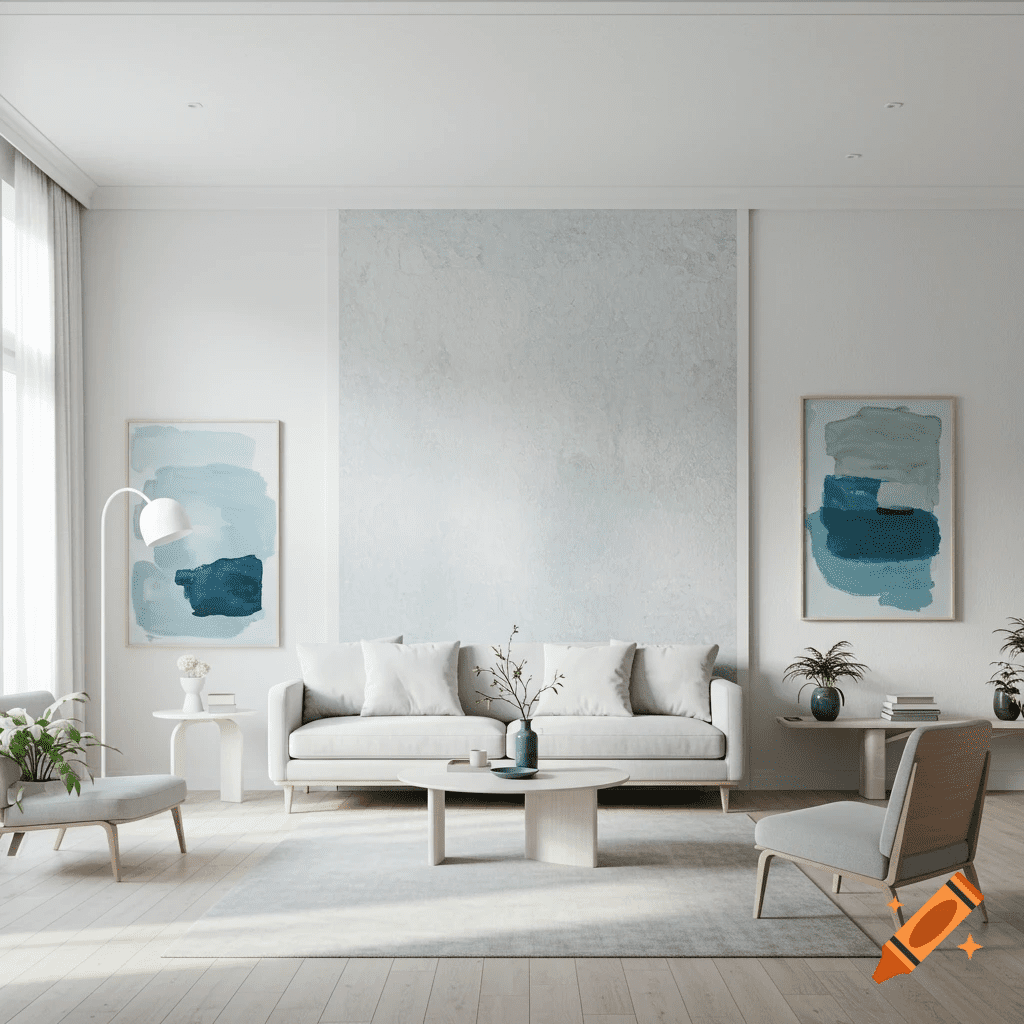
Minimalism does not mean small or boring. One of the strongest trends in Minimalist Art Decor is the use of oversized artwork as a focal point. Instead of multiple small pieces, a single large-scale art piece can define the entire room.
This approach works exceptionally well in modern homes with open-plan layouts or high ceilings. Large minimalist paintings or prints, especially in monochrome or soft earth tones, draw attention without cluttering the space. The key is to keep the design simple while allowing size to make the statement.
3. Black and White Photography
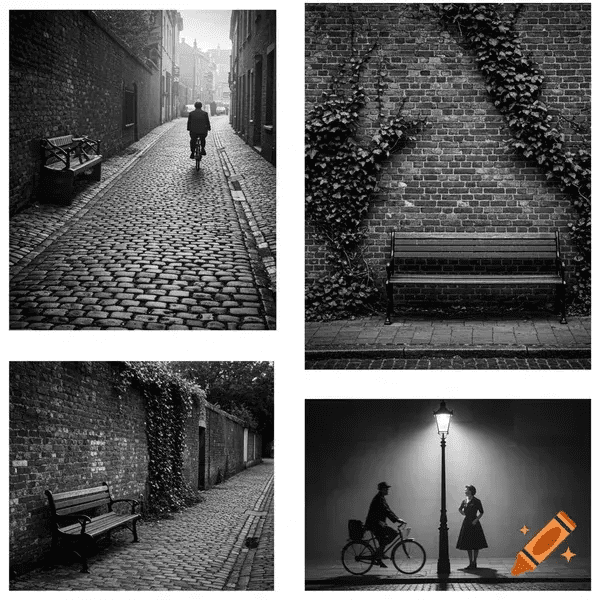
Black and white photography remains a timeless choice in Minimalist Art Decor. It removes the distraction of color and highlights emotion, contrast, and composition. These pieces often tell powerful stories while maintaining a clean aesthetic.
In modern homes, black and white photographs work well in hallways, bedrooms, and living areas. Subjects like architecture, landscapes, or minimal portraits align perfectly with minimalist values. Paired with white walls and subtle lighting, these artworks add depth and sophistication without overwhelming the interior.
4. Nature-Inspired Minimalist Art
Nature has always influenced design, and minimalist art is no exception. Botanical sketches, abstract landscapes, and soft organic forms are increasingly popular in Minimalist Art Decor for modern homes.
These artworks create a calming connection between indoor spaces and the natural world. Neutral greens, sandy beiges, and soft blues are commonly used to evoke tranquility. Nature-inspired minimalist art works beautifully in spaces designed for relaxation, such as bedrooms, reading corners, or meditation areas.

5. Curated Gallery Walls with Minimal Frames
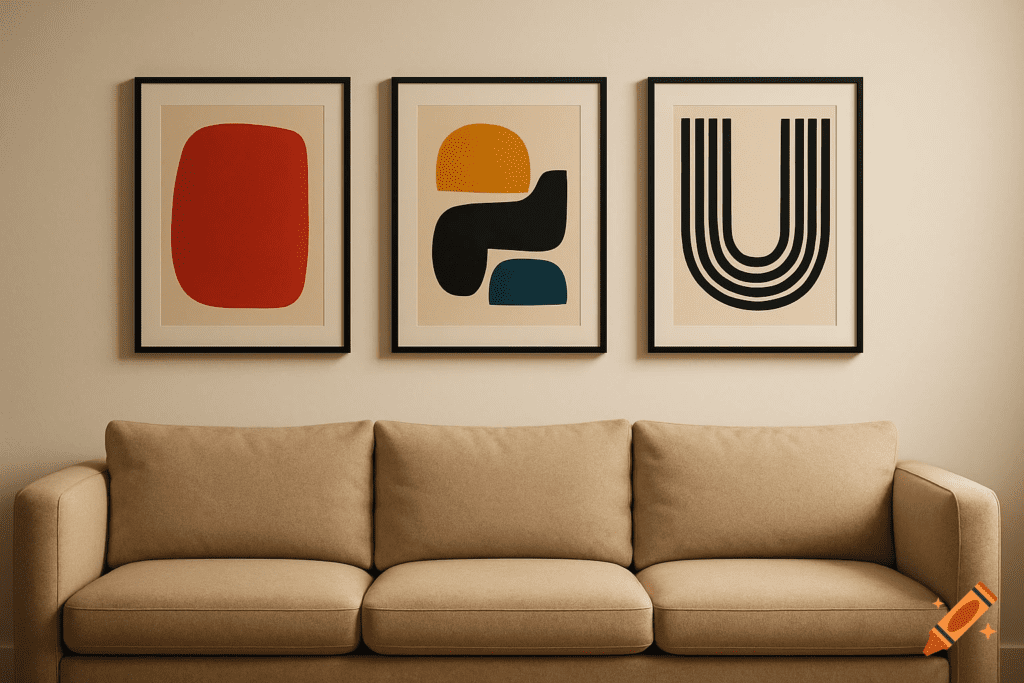
While minimalism often favors simplicity, a well-curated gallery wall can still align with Minimalist Art Decor principles. The secret lies in cohesion and spacing. Rather than mixing many styles, a minimalist gallery wall features consistent themes, color palettes, and frame designs.
Thin frames in black, white, or natural wood help maintain visual balance. Negative space between frames is just as important as the art itself. This trend allows homeowners to express personality while preserving the clean, modern aesthetic that minimalist interiors demand.
How to Choose the Right Minimalist Art Decor
When selecting Minimalist Art Decor, intention matters more than trends. Start by considering the mood you want to create in each room. Calm spaces benefit from soft tones and organic shapes, while social areas can handle bold yet simple designs.
Scale is another critical factor. Art should complement furniture and wall size rather than compete with it. Lighting also plays a role—natural or soft accent lighting enhances minimalist artwork without adding visual noise.
Styling Tips for a Cohesive Look
To maintain harmony, limit color palettes and avoid overly decorative frames. Let the artwork breathe by giving it enough wall space. In modern homes, less truly is more. Pairing Minimalist Art Decor with natural materials like wood, linen, and stone further enhances the timeless appeal.
Rotating artwork seasonally is another way to keep interiors fresh without buying new decor. Minimalist art adapts easily, making it a long-term investment rather than a temporary trend.
Final Thoughts
Minimalist interiors thrive on balance, intention, and simplicity—and art plays a vital role in achieving that balance. These five timeless trends show how Minimalist Art Decor continues to evolve while staying true to its core principles. By choosing meaningful pieces, focusing on quality, and embracing negative space, modern homes can achieve a refined aesthetic that never goes out of style.
Minimalism isn’t about having less—it’s about choosing better. When done right, minimalist art transforms modern spaces into calm, elegant, and inspiring environments.